%201.svg)
%201.svg)
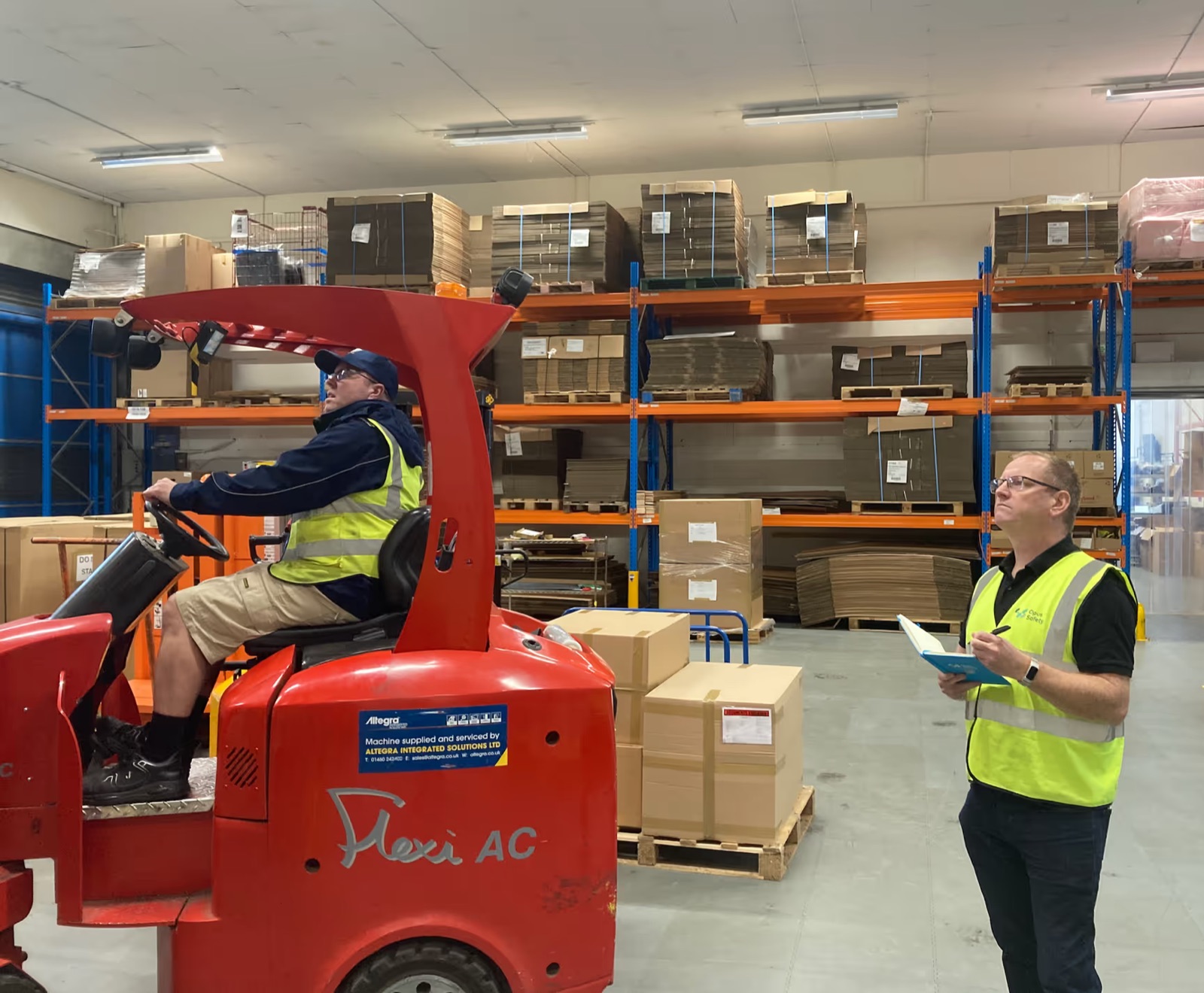
When work changes location, equipment, method or people, the risks change with it - even on jobs your team does every day.
A warehouse supervisor died after falling 1.5 metres from a mobile loading ramp at his usual place of work, using standard equipment. His employer was fined £425,000 for failing to properly assess and plan the loading operation.
Reassess when you are working in a different location, using new equipment or materials, changing a process, dealing with temporary works or altered site conditions, adding a new contractor, or adopting a different method under production pressure.
Three moments to stop and think: work you have not done before or are doing in a new way, work someone else has planned, and controls that are on paper but are not being followed.
When your teams do everyday jobs in an unfamiliar location, with new tools, or using a different approach, do you rethink the risks? At the work planning stage, it’s essential to consider the full picture, even when employees are performing routine tasks.
When work changes, even tried-and-tested tasks can create new or unfamiliar hazards. A refit, a new line, an atypical loading method, a contractor on site for a couple of days. Whatever’s different, you need to stop, reassess, and adapt your safety measures rather than assuming that existing arrangements are fit for purpose.
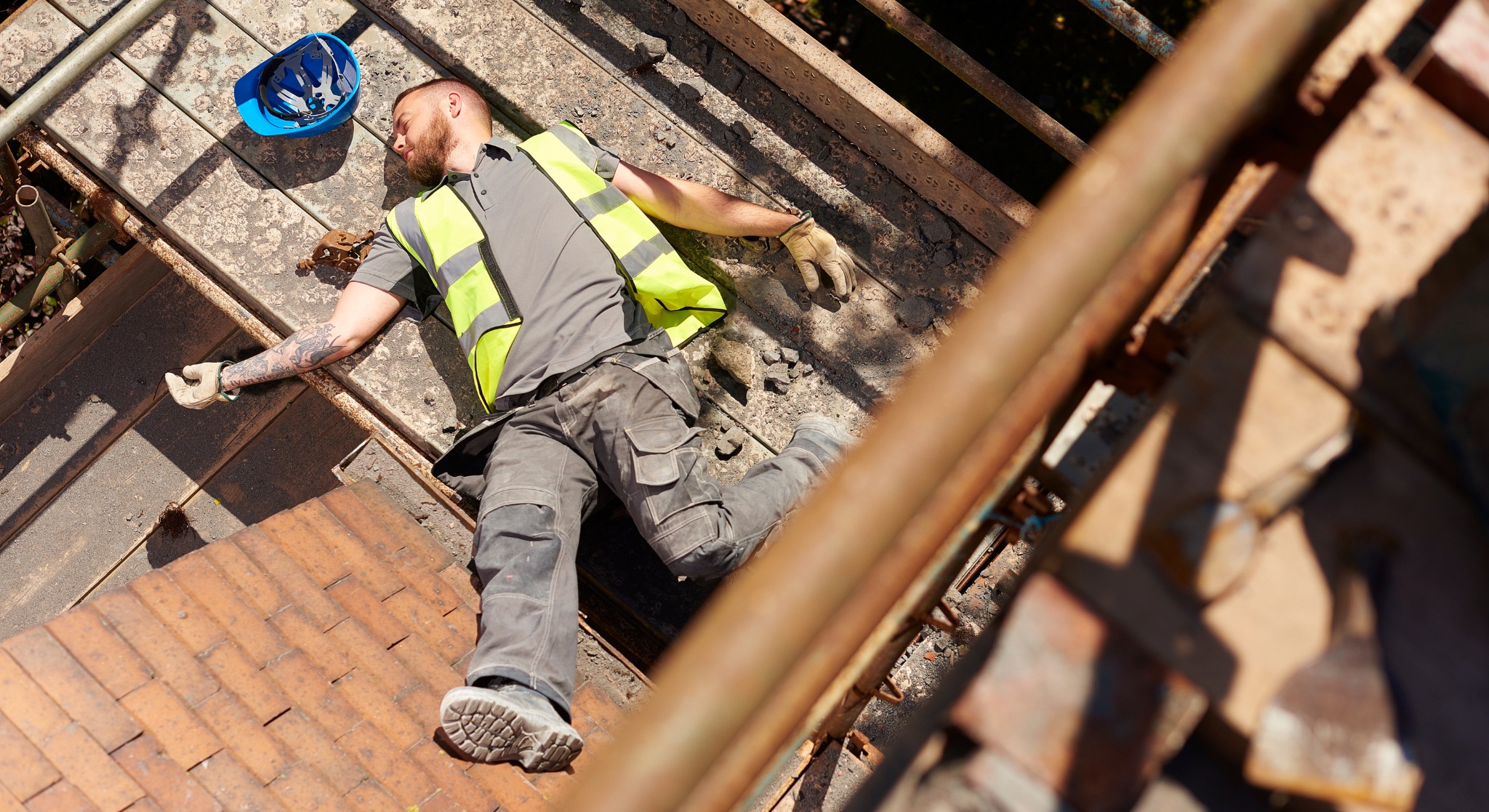
Your efforts could save a life. A recent Health and Safety Executive (HSE) prosecution involved a warehouse supervisor suffering fatal injuries following a fall from a mobile loading ramp.
The incident happened at the employee’s usual place of work, using standard equipment. The worker was helping load plastic waste bales into a shipping container when a bale slipped from the forklift. He stepped back and fell about 1.5 metres onto concrete. He later died in hospital.
Crucially, his employer failed to properly assess and plan the loading operation. Staff were allowed to use the mobile loading ramp without handrails, against the manufacturer's instruction that pedestrians should not use it unless handrails were fitted. The company also failed to consider safer alternatives that would have removed the work at height entirely, such as using existing loading bays or placing containers on the ground.
Changing the loading arrangement created a work at height risk that hadn't been properly considered. When a task is done differently, you need to re-examine it from the ground up. Are there new hazards? Can the work be eliminated or approached more safely? Are current equipment and controls still suitable?
The company was fined £425,000 plus £119,258 in costs at Teesside Crown Court on 17 July 2026, having breached Section 2(1) of the Health and Safety at Work etc. Act 1974 and Regulations 4(1)(a) and 6(2) of the Work at Height Regulations 2005.
The lesson holds: when the way work is done changes, safety planning needs to change with it.
When should you reassess risks?
Every sector has unique triggers for reassessing risks. Some are clear and obvious. For example, introducing a new vehicle at your builders merchant, moving seasonal stock at your garden centre, or upgrading handling equipment at your warehouse. However, temporary or seemingly minor changes can also alter a task’s risk profile.
The job may look familiar, but if something has changed, the risk may have changed too. You should consider whether a fresh assessment is needed when:
- Working in a different location
- Implementing new equipment, materials, or technology
- Changing a process or sequence of work
- Experiencing temporary works or altered site conditions
- Adding a new contractor or unfamiliar team to your workforce
- Adopting a different method due to production pressures
- Deciding an existing control is no longer practical or effective
Find safer ways to do the job
In the HSE case, the worker’s death could have been avoided if the employer had properly planned the task, assessed work at height, and found safer alternatives where it was reasonably practicable to do so. When work at height can’t be avoided, suitable measures should be implemented to prevent falls and protect staff from injury.
The same principles apply to other workplace risks. Following the HSE’s recommended hierarchy of control helps you tackle hazards at their source: eliminate the hazard, substitute something safer, engineer a physical separation between people and the risk, change how the work is organised, and only then rely on PPE.
PPE plays an important role but shouldn’t be used as a substitute for more effective controls that can eliminate or reduce hazards.
Three moments to stop and think
Responsible safety planning is about recognising when circumstances change and understanding what that means for the people doing the work. Pausing to reassess the situation can prevent workplace incidents and protect workers’ lives.
Here’s when to reconsider your safety measures:
- You've never done the work before, or you're doing it in a new way. Even with familiar tasks, think about what’s different and whether the changes affect the risk.
- Someone else has planned the work. A method statement doesn’t tell you what’s actually happening on site. Match your approach to the real conditions, personnel, and equipment.
- The controls are on paper but aren't being followed. Controls only work if they’re used. If staff aren’t following documented safety measures or routinely using workarounds, find out why. You may need to implement new controls that staff will use consistently.
Pause to prevent a serious incident
Within strong safety cultures, double checks are part of everyday decision-making. When a job is new, the environment is different, a contractor arrives, or the usual method no longer applies, it's a signal to pose some key questions.
What’s changed? What could go wrong? Is there a safer way to do it?
Considering unfamiliar hazards can turn new and non-routine work into opportunities to strengthen safety. If you’d like to discuss your approach to risk management, talk to your Opus consultant.
We’ll help you plan work effectively and protect your people with every task. Get in touch with your Opus consultant on 0330 043 4015 or hello@opus-safety.co.uk.
Sources

Last updated
August 18, 2026
Opus Safety
Health & safety insights
Guidance, updates and practical advice for your sector.


HSE prosecutions: Counting the cost of non-compliance
Two fall from height prosecutions in one week and a £120,000 dust fine. What recent HSE enforcement action means for your controls.
Summer safety - review your transport risks
Summer brings new compliance concerns to your yard, including workplace transport issues you may not have considered.
Reducing delivery risks – a quick guide to crane safety
Lorry-mounted cranes can cause life-threatening injuries. Make sure workers, customers and the public stay safe with expert delivery guidance.

Why businesses choose
Opus Safety
We've worked across UK industry for years. The numbers show what our clients achieve when compliance becomes a strength, not a burden.


%201.svg)


