

Company Restructuring Services that follow the law and get it done properly
For directors and business owners running redundancies, role changes or wider reorganisations who need the legal process managed end to end.


What's included in this service
Company Restructuring Services covering one role or fifty. We plan the restructure, draft selection criteria, manage consultation meetings, and deliver every letter from at-risk notification to final outcome - so the process is fair, defensible and legally sound.
What's included in this service
Company Restructuring Services covering one role or fifty. We plan the restructure, draft selection criteria, manage consultation meetings, and deliver every letter from at-risk notification to final outcome - so the process is fair, defensible and legally sound.

Plan the change legally
We confirm the business reason, map affected roles, set consultation timelines against employment law, and advise on TUPE (Transfer of Undertakings (Protection of Employment) Regulations) where employees are transferring in or out. Selection criteria written to be objective and defensible.

One clear, prioritised consultation plan
A documented consultation process covering a minimum of three meetings per affected employee, meeting agendas, alternative employment exploration, and every letter drafted - at-risk, invitation, outcome, appeal, and redundancy payment calculations.

Handle appeals and what comes next
Final outcome letters issued, appeal rights confirmed, and appeal hearings managed if an employee challenges the decision. Post-restructure support for communications, remaining team stability, and any follow-on grievances.
Two ways to work with Opus
Book a one-off service for a specific need, or take on a partnership for ongoing support. Either way, the work gets done by the same team.
Book a service
For a specific need - a single project, document set, or advisory deliverable with a clear outcome.

HR Services Partnership
Ongoing HR support at a fixed monthly fee. For businesses that want HR off their plate, not on their to-do list.

Not sure which fits? Speak to a consultant - no commitment required.
HR support across your sector


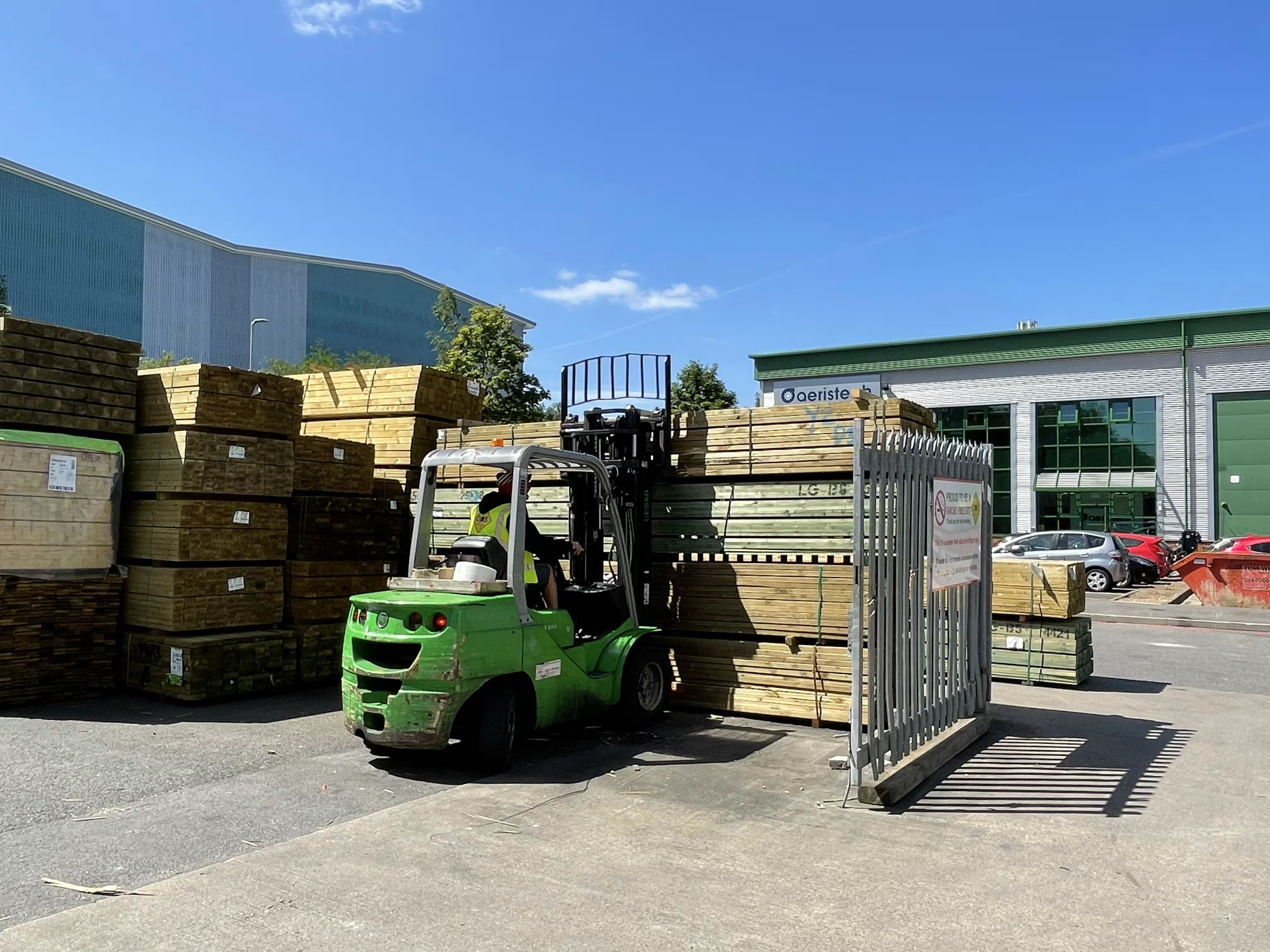
Builders Merchants
Saturday trading and yard staff. Employee relations advice that fits the way a merchant yard works.

Warehousing & Logistics
Peak-season hiring, agency workers and drivers you rarely see in person. Contracts that cover peak-season starters, and disciplinaries that account for staff on the road.

Manufacturing & Engineering
Shift patterns, agency staff and production schedules. Absence management that fits the rota, and disciplinary processes that work across shifts.

Garden Centres
Seasonal staffing, weekend rotas and a workforce that runs from experienced horticulturists to Saturday staff. Contracts that flex with the seasons.

Metal Stockholders
Yard crews, HGV drivers and fabricators across indoor and outdoor sites. Contracts that cover overtime and call-out patterns, and capability cases where fitness for the job matters.

Childcare & Nurseries
Rotas built around staff ratios, and a team of qualified practitioners and apprentices. Absence cover and conduct cases handled with the ratios in mind.


Planning a restructure?
Every meeting documented, every decision proportionate, a complete paper trail from start to outcome.
Frequently asked questions
When do we have to consult collectively, and for how long?

Do we need to tell the government about redundancies?
How do we decide who is selected for redundancy?
What counts as suitable alternative employment?
How much statutory redundancy pay will employees get?


