

Warehousing health and safety consultants for distribution and logistics sites
A warehouse's serious risks sit where people and machines share the floor: lift trucks and pickers in the same aisles, racking that lift trucks can strike, and HGVs reversing onto the dock. In Great Britain, regulation 17 of the Workplace (Health, Safety and Welfare) Regulations 1992 requires a workplace to be organised so pedestrians and vehicles can circulate safely, and regulation 9 of the Lifting Operations and Lifting Equipment Regulations 1998 requires thorough examination of the trucks. A named Opus consultant works through those duties with you, site by site, and can act as your competent person. Your business stays the duty holder.
IOSH Approved | 98% Client Retention | 400+ Active Partnerships





SECTOR-SPECIFIC COMPLIANCE
What a warehouse health and safety consultant looks at
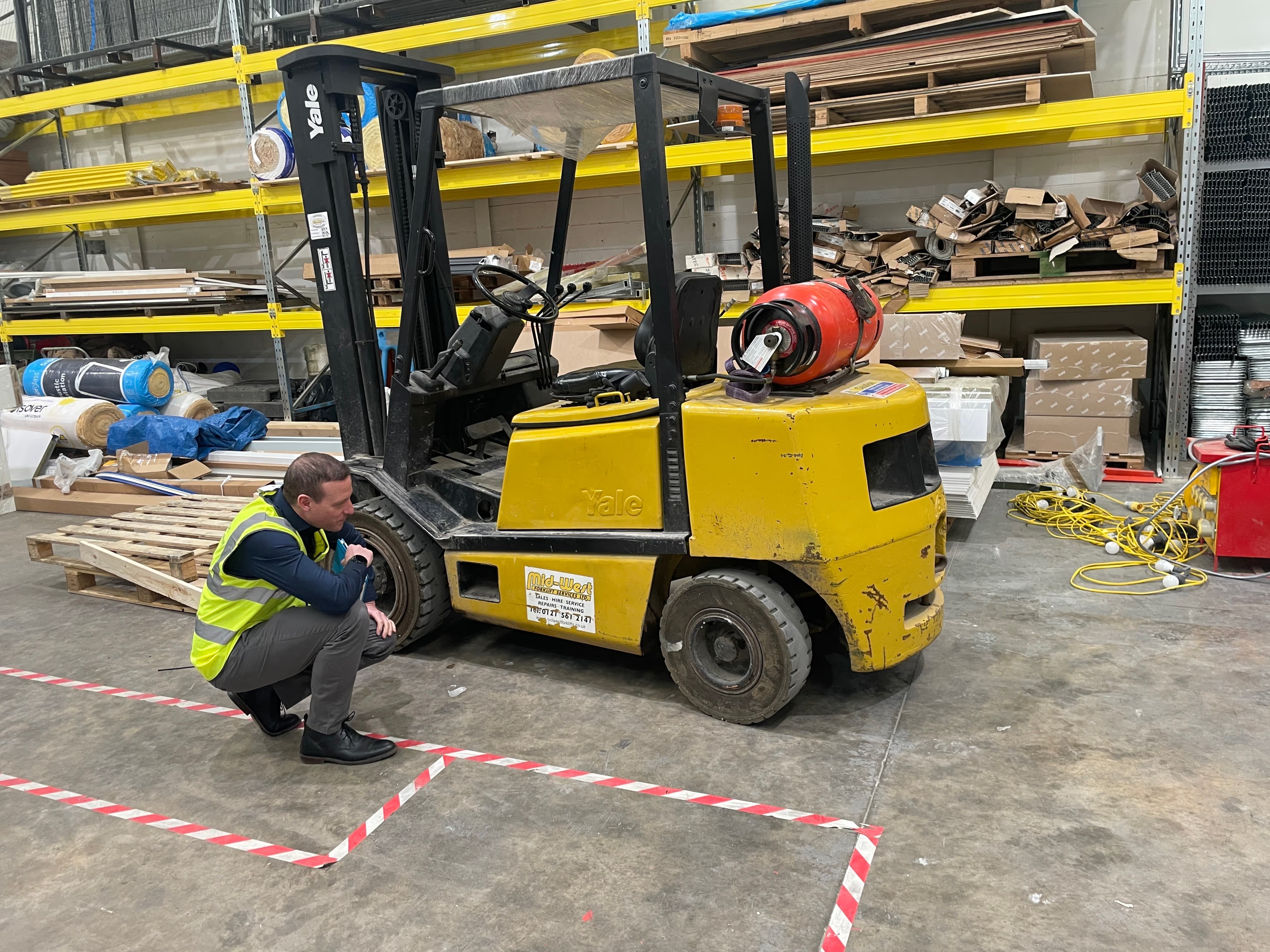
Lift trucks working the aisles beside people on foot, pallet racking, HGVs cycling through the loading bays, and agency staff arriving for peak. Those four are where an Opus assessment of a warehouse starts.

Pedestrian and lift truck segregation
Counterbalance trucks, reach trucks and VNA machines share the floor with pickers, packers and visiting drivers. HSE's warehousing guidance makes complete separation the first consideration. Where it is not possible, the controls are marked and physically separated walkways, crossing points and a one-way flow where the layout allows it.
Racking damage and inspection
Lift trucks working tight aisles strike pallet racking, and HSE notes that any damage reduces what the racking can safely carry. HSE's warehousing guidance recommends a named person responsible for racking safety, visual checks at weekly or other regular intervals, an expert inspection at least every 12 months, load notices, and a route for reporting a strike straight away.
Loading bays
Vehicles creep or drive away while a lift truck is still loading them, trailers on landing legs can tip, and reversing vehicles meet people on foot. The controls include a safe system of work that keeps each vehicle at the bay until loading is finished, such as key custody, vehicle restraints or traffic lights; planned load distribution, with trailer supports where the load needs them; reversing areas kept clear of people on foot; and a safe place for drivers to wait.
Agency and peak-season staff
Peak trading brings in people who have never worked your site. Induction, lift truck authorisation and supervision have to scale up fast and still leave a record of who was trained on what.
What you should be able to show
These are the records that show a warehouse is under control. Could you put your hands on all six today?
- ✓A risk assessment that covers vehicle and pedestrian movements, racking, loading bays and manual handling
- ✓A site traffic plan with segregated walkways and crossing points
- ✓A current thorough examination report for every lift truck that LOLER covers, a safety inspection record for pallet trucks, and the maintenance record behind them
- ✓Racking inspection records, with damage reports and what was done about each one
- ✓Lift truck operator training and authorisation for every driver, agency staff included
- ✓Induction records for temporary and agency workers, dated before they started work

What you get as a partner

Know exactly where you stand
A site walk from an experienced consultant tells you what an HSE inspector would find today. No surprises, no guessing.



Pass inspections without the scramble
Your Competent Person prepares the evidence, reviews correspondence and briefs you ahead of inspections. Your business stays the duty holder, we make sure the work is done.


Meet regulatory requirements
Understand your legal obligations under PUWER, MHOR and the Work at Height Regulations, and how to demonstrate compliance. Know what an HSE inspector expects to find.

One named consultant, not a call centre
Same expert every visit. Direct line for urgent issues. No rotating faces, no ticket queues.

Two ways to work with Opus Safety
Both give you full platform access. The difference is how much of the compliance work you want to own yourself.
Software Only
Full platform access, self-managed, training resources included, email support
Opus Safety Partnership
Everything in Software Only, plus a dedicated H&S consultant using the same platform - so nothing gets lost between site visits and your dashboard.
Not sure which is right for you? Speak to a consultant - we'll help you decide.
What non-compliance can cost a business
£157K
In combined fines
Two companies were fined a combined £157,500 plus costs after an industrial racking system collapsed during testing at a West Yorkshire site, killing two workers who were operating from a mobile elevating work platform positioned inside the structure's collapse zone.
The HSE investigation found both companies failed to adequately assess the risks or put in place a safe system of work, and the workers were positioned within the collapse zone while the racking was tested. HSE prosecution, February 2026.
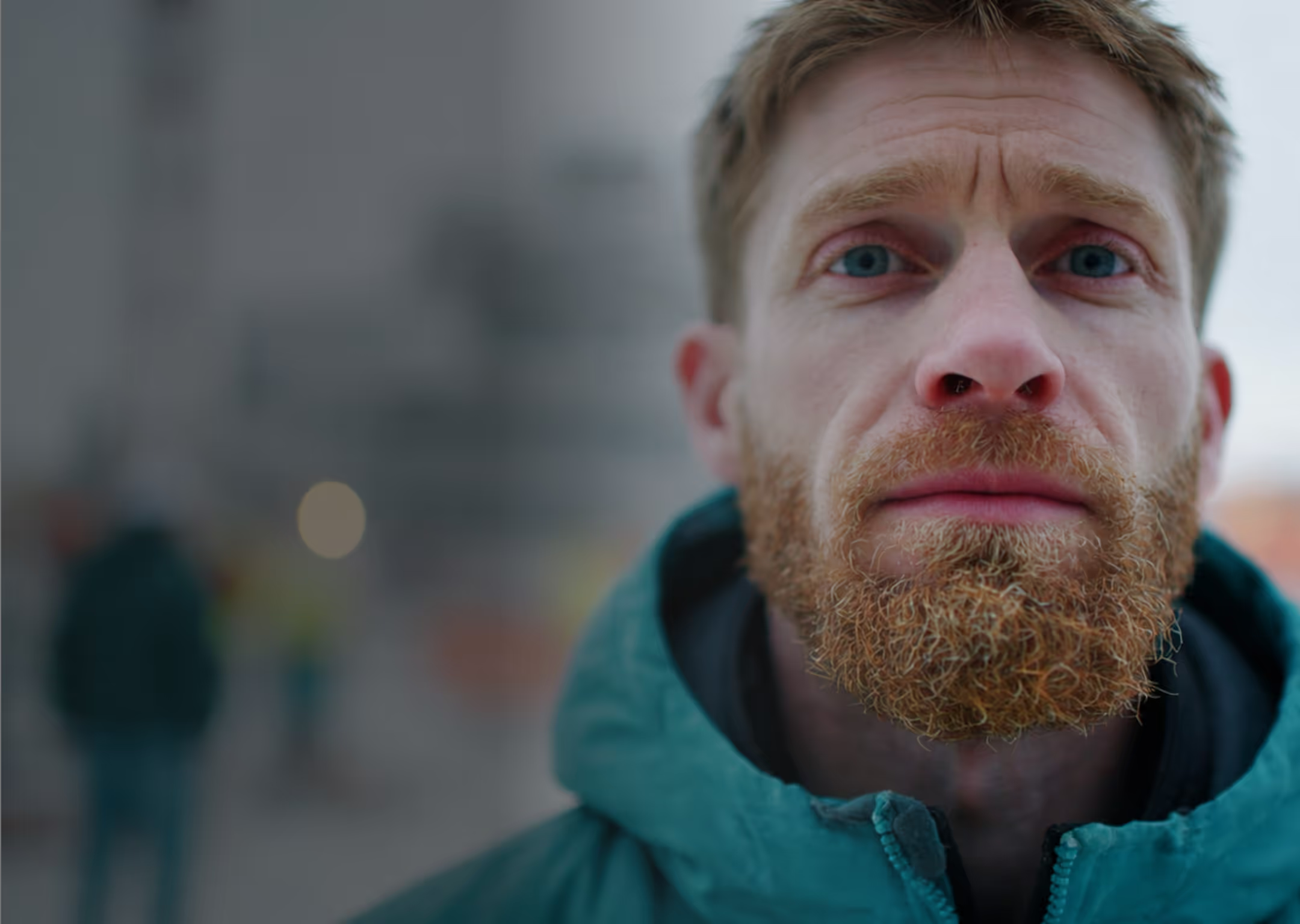
Everything your people need, from one team


Health and Safety
Site walkthroughs, risk assessments and audits managed end to end by a consultant who's walked operations like yours before.

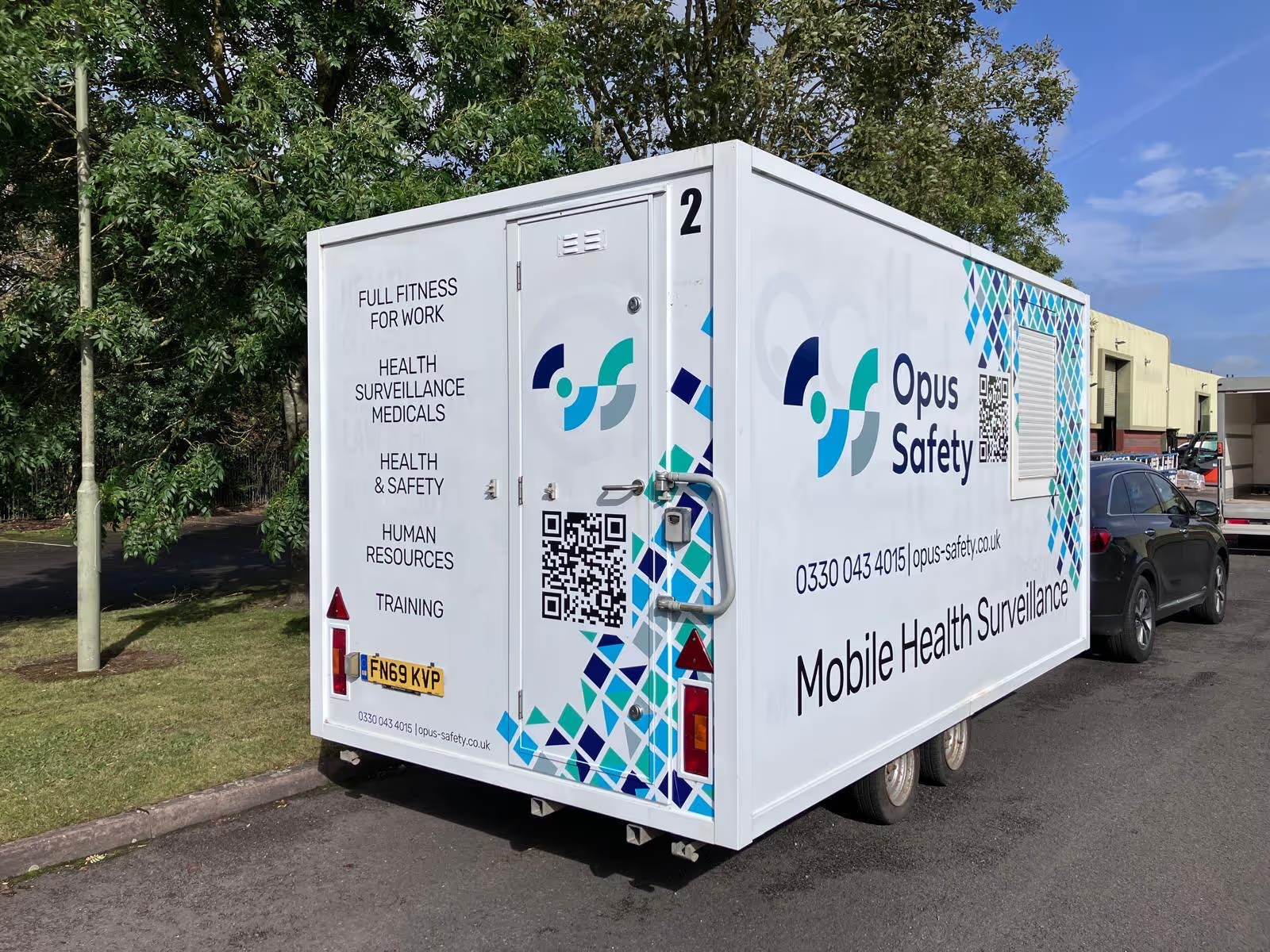
Occupational Health
Health surveillance, exposure monitoring and fit-for-work reviews delivered by clinicians who understand your workforce.
Human Resources
Employment policies, disciplinary support and contract templates built for your operational reality - shift patterns, turnover, seasonal staffing.

Training
Essential courses delivered on site by your consultant. IOSH-accredited where it counts, sector-relevant every time.

McLaughlan Transport


Frequently asked questions
What does a warehouse health and safety consultant do?

What health and safety law applies to a warehouse?
How often does a forklift need a thorough examination?
How often should pallet racking be inspected?
How do you separate pedestrians and forklifts in a warehouse?
Who can act as the competent person for a warehouse?
What do agency and temporary workers need before they start?
Still have questions?

Ready to protect your business
Book a consultation or request a gap analysis to see where you stand


