

Health and safety audits and gap analysis that test paper against practice
A health and safety audit is a structured check of whether your arrangements for managing health and safety actually work: your documents are measured against the law, and your sites against your documents. In Great Britain, regulation 5 of the Management of Health and Safety at Work Regulations 1999 requires every employer to make arrangements for the "effective planning, organisation, control, monitoring and review" of the measures that protect people, and to record them if you employ five or more. That regulation does not ask for an audit by name; an audit is one way to show the monitoring and review are happening. HSE's guidance for directors asks boards to make sure "periodic audits of the effectiveness of management structures and risk controls for health and safety are carried out".


What a health and safety audit includes
Your health and safety system, checked on paper and on site, with a plan for what to fix first.
The audit follows the Plan, Do, Check, Act approach set out in HSE's guidance Managing for health and safety (HSG65). A gap analysis is the same work described by its result: where you are now, where you need to be, and the gaps between the two.

The document review
Your consultant reviews your health and safety policy, risk assessments, safe systems of work and training records against the law that applies to your work, including the duties to assess risk, record the significant findings and appoint competent help.

The site inspection
A physical inspection checks whether what is written down is what happens. HSE's point in HSG65 is that "'paperwork' on its own is not a good performance measure", so the audit looks at the work, the equipment and the premises, and talks to the people doing the job.

The action plan
Every gap is set out with its priority, an owner and a timeline, so the most serious problems are dealt with first. The findings give you a baseline to measure the next review against.
What lands on your desk afterwards
A clear view of where you stand, and what to do about it.
A written report
What was reviewed, what the site inspection found, and where each part of the system stands.
A prioritised action plan
Every gap ranked by severity, with named owners and timelines.
Where you stand against the law
Each finding referenced to the law that applies to it.
A baseline
The starting point for your own monitoring, and for the review HSE advises reporting to senior leaders at least once a year.
What you should be able to show
These are the things the law and HSE's guidance expect you to be able to show. Could you put your hands on all six today?
- ✓A written health and safety policy, if you employ five or more people, brought to the notice of all your employees
- ✓A suitable and sufficient risk assessment, with the significant findings recorded if you employ five or more, reviewed when it may no longer be valid or the work has changed significantly
- ✓Your arrangements for planning, organising, controlling, monitoring and reviewing the measures that protect people, recorded if you employ five or more
- ✓A competent person appointed to help you meet your duties, from your own staff where someone has the competence
- ✓Records of your monitoring, such as workplace inspections and the investigation of accidents and incidents
- ✓A review of health and safety performance reported to senior leaders at least once a year, as HSE's guidance advises

What a health and safety audit costs
Price depends on a number of variables, including:
The number of sites and their size
A single unit and a group of depots need different amounts of time on site.
The scope
A full audit of the whole system, or a focused review of one area or one site.
What the work involves
Sites with machinery, vehicles or hazardous substances have more to inspect.
What documentation exists
The more there is to review, the longer the document review takes.
An audit can be a one-off piece of work or part of an ongoing Opus Safety Partnership.
Two ways to work with Opus
Book a one-off service for a specific need, or take on a partnership for ongoing support. Either way, the work gets done by the same team.
Book a service
For a specific need - a single assessment, audit, or
on-site service with a clear deliverable.

Opus Safety Partnership
Ongoing support and consider-it-done compliance. For businesses that want compliance off their plate, not on their to-do list.

Not sure which fits? Speak to a consultant - no commitment required.
Kellaway


Why businesses bring health and safety audits to Opus
An audit is only as useful as the plan that comes out of it, so the report tells you what to fix, in what order, and who should own it.
Former regulators on the team
Our consultants include former HSE and local authority regulators.
Built on HSE's framework
The audit follows Plan, Do, Check, Act from HSE's Managing for health and safety (HSG65), the guidance HSE says inspectors may refer to, and measures you against the law, not a certification standard.
Practice checked against paper
The audit includes a site inspection, because a complete file of documents does not show whether the work matches it.
Health and safety audits by sector


Builders Merchants
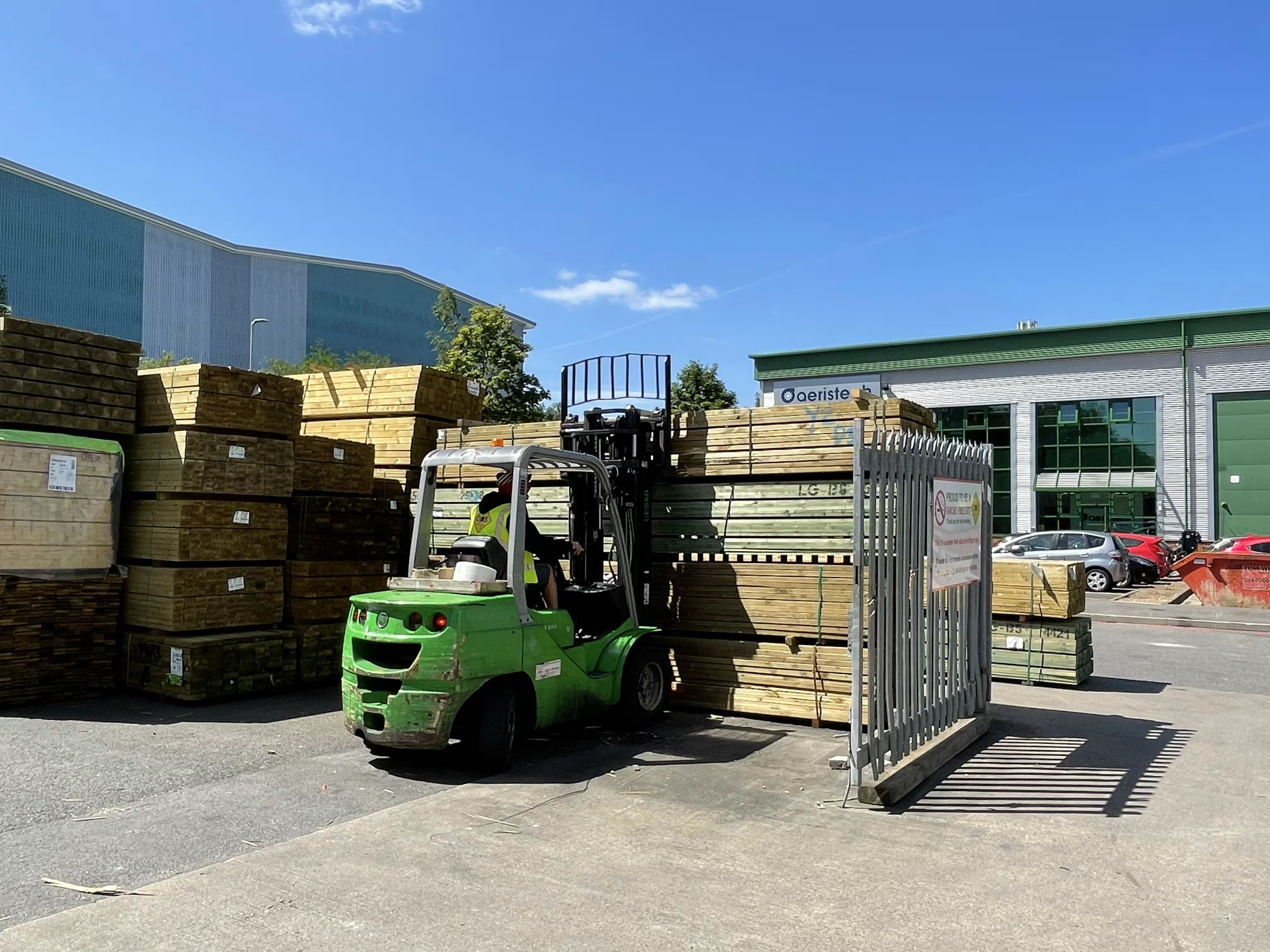
Yards, trade counters and timber cutting on one site. The audit checks the records behind each branch, then walks the yard to see whether segregation, stacking and lift-truck controls work as written.

Warehousing & Logistics
Lift trucks, racking, loading bays and shift work. We check your arrangements on paper, then whether they hold across your shifts, including the ones managers see least.

Manufacturing & Engineering
Machinery, substances and maintenance work. On the shop floor we test whether the guarding, controls and safe systems of work match what your documents say.

Garden Centres
Seasonal staff, customers on site and machinery in the grounds. Head-office policy has to reach each site and its seasonal staff, and the audit checks whether it does.

Metal Stockholders
Heavy loads, cutting and cranes. The audit asks how lifting operations are planned and supervised, and whether the thorough examination reports are current.

Childcare & Nurseries
Staff, children and visitors in buildings that may not have been designed as workplaces. The audit covers your duties to staff and to everyone else on the premises, and the records that show you meet them.


Ready to book a Health and Safety
Gap Audit?
Tell us about your sites and what you want to know. We will quote for the work, and by the end you will know where you stand, what to fix first and who owns each action.
Frequently asked questions
What is a health and safety audit?

Is a health and safety audit a legal requirement?
What is the difference between a health and safety audit and an inspection?
What does a health and safety audit cover?
How often should you carry out a health and safety audit?
What is a health and safety gap analysis?
Is an Opus audit the same as an ISO 45001 audit?
How much does a health and safety audit cost?


