

Employee Relations Service from first concern to final resolution
For employers handling grievances, disciplinaries, capability cases or workplace conflict that's moved beyond an informal conversation.


What's included in this service
Employee Relations Service covering grievances, disciplinaries, capability procedures, investigations and appeals. Structured process aligned to the ACAS (Advisory, Conciliation and Arbitration Service) Code of Practice, with every document drafted, every meeting guided, and every outcome documented.

Investigate the issue properly
We assess the situation, confirm which process applies - grievance, disciplinary, capability, investigation - and run a structured investigation covering witness interviews, evidence gathering and investigation reports that stand up to scrutiny.

One clear, prioritised resolution plan
A documented process aligned to the ACAS Code - invitation letters, hearing preparation, outcome letters and appeal acknowledgements all drafted for you. Every meeting structured, every decision proportionate, every step on the record.

Prevent the same issue recurring
Policy and handbook review after the case, manager guidance on spotting early warning signs, and tribunal-ready records kept against each decision. Where patterns emerge, we flag the training or policy gap driving them.
Two ways to work with Opus
Book a one-off service for a specific need, or take on a partnership for ongoing support. Either way, the work gets done by the same team.
Book a service
For a specific need - a single project, document set, or advisory deliverable with a clear outcome.

HR Services Partnership
Ongoing HR support at a fixed monthly fee. For businesses that want HR off their plate, not on their to-do list.

Not sure which fits? Speak to a consultant - no commitment required.
HR support across your sector


Builders Merchants
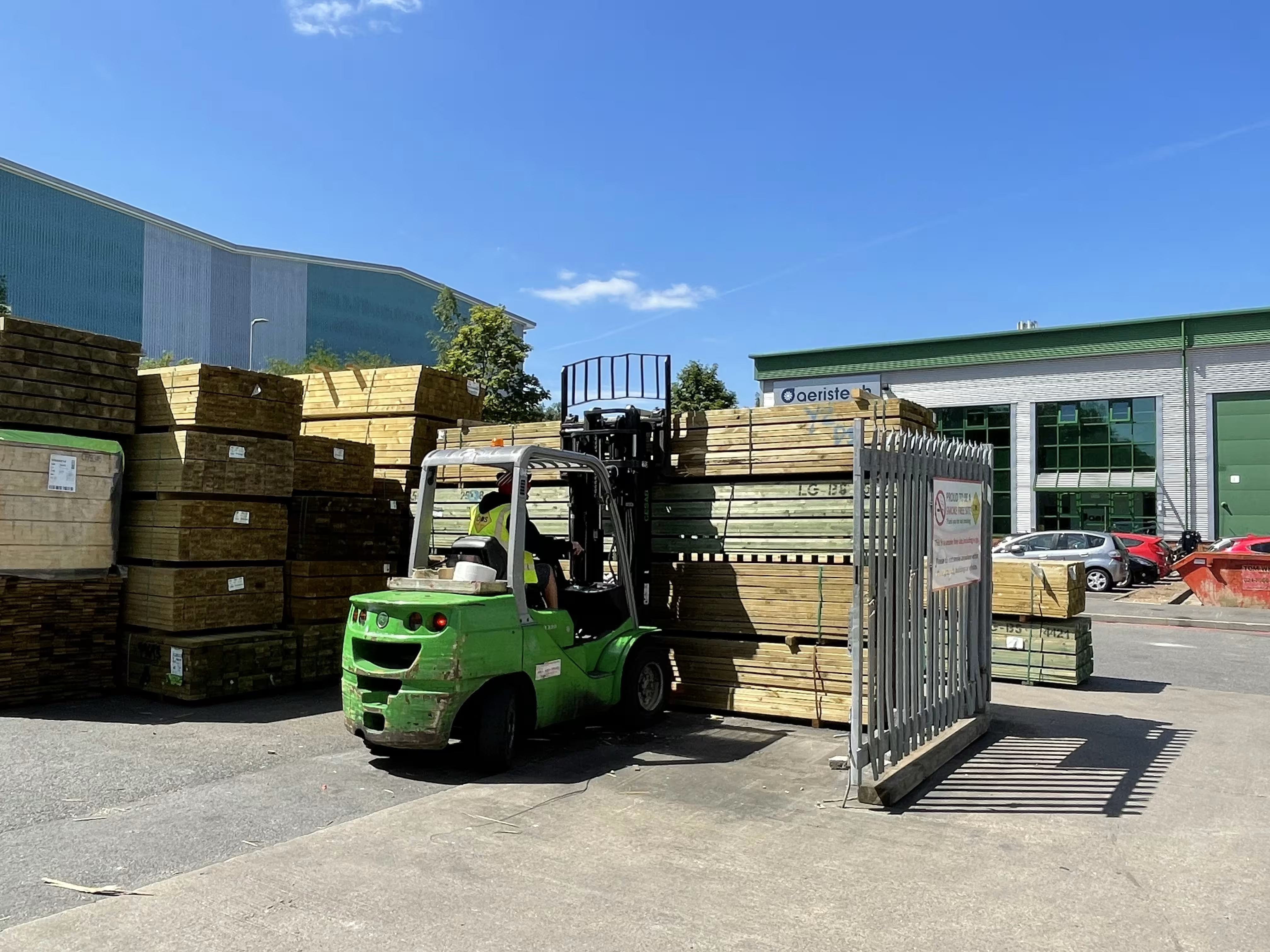
Saturday trading and yard staff. Employee relations advice that fits the way a merchant yard works.

Warehousing & Logistics
Peak-season hiring, agency workers and drivers you rarely see in person. Contracts that cover peak-season starters, and disciplinaries that account for staff on the road.

Manufacturing & Engineering
Shift patterns, agency staff and production schedules. Absence management that fits the rota, and disciplinary processes that work across shifts.

Garden Centres
Seasonal staffing, weekend rotas and a workforce that runs from experienced horticulturists to Saturday staff. Contracts that flex with the seasons.

Metal Stockholders
Yard crews, HGV drivers and fabricators across indoor and outdoor sites. Contracts that cover overtime and call-out patterns, and capability cases where fitness for the job matters.

Childcare & Nurseries
Rotas built around staff ratios, and a team of qualified practitioners and apprentices. Absence cover and conduct cases handled with the ratios in mind.


Need employee relations support?
Every case on record, every decision defensible, your position protected if a claim lands.
Frequently asked questions
Can an employee bring someone to a disciplinary or grievance hearing?

Can we suspend an employee during a disciplinary investigation?
How long does a written warning last?
What if an employee raises a grievance during a disciplinary?
Does an employee have the right to appeal a disciplinary outcome?


