

DSEAR assessment and hazardous area zoning
A DSEAR risk assessment, often called a DSEAR assessment, is the assessment of fire and explosion risk from the dangerous substances on a site. In Great Britain, regulation 5 of the Dangerous Substances and Explosive Atmospheres Regulations 2002 requires one of every employer where a dangerous substance is, or is liable to be, present. That covers flammable liquids, gases and vapours, and combustible dusts such as wood and flour dust. Where an explosive atmosphere could form, the assessment classifies those places as hazardous or not, and zones the hazardous ones, under regulation 7 of DSEAR. Northern Ireland has its own 2003 Regulations.


What a DSEAR risk assessment includes
Every dangerous substance on site, assessed against DSEAR and written up so your team can act on it.
An assessor walks the site and lists what could burn or explode: the obvious, such as petrol, LPG, solvents and welding gases, and the less obvious, such as engine oil, grease and dust from wood, flour or sugar. Since 2015 DSEAR also covers gases under pressure and substances that are corrosive to metals. For each one, regulation 5 of DSEAR asks what it is, how much is held, how it is stored and used, whether an explosive atmosphere could form, and whether anything could ignite it, static included.
HSE's guidance in L138, the Approved Code of Practice and guidance for DSEAR, treats hazardous area classification as an integral part of the risk assessment, so where zoning is needed it is part of the same assessment.

The site survey
Stores, process lines, spray booths, dust extraction, battery charging, tank and cylinder storage, and waste. The survey also covers maintenance work and deliveries, because regulation 5 of DSEAR names maintenance as an activity where the risk can be high, and HSE lists road tanker deliveries among the work DSEAR reaches.

Hazardous area classification
Places where an explosive atmosphere may occur in quantities that need special precautions are classed as hazardous, and each hazardous place is zoned by how often the atmosphere is present and for how long. Zones 0, 1 and 2 are for gas, vapour and mist; zones 20, 21 and 22 are for dust. HSE points to BS EN 60079-10-1 and BS EN 60079-10-2 as a basis for setting the type and extent of each zone, and L138 adds that site-specific factors should always be taken into account. You get drawings showing every zone.

The written assessment and the actions
DSEAR sets an order for the controls: remove the substance, or swap it for a safer substance or process, where you reasonably can; then reduce the quantity, avoid and control releases, stop an explosive atmosphere forming, keep ignition sources away and keep incompatible substances apart. Measures that limit the harm if something does ignite, such as explosion relief, are required alongside those controls. The action plan ranks each action by urgency, so what needs doing now comes first.
What lands on your desk after a DSEAR assessment
Four documents.
The DSEAR risk assessment
Every dangerous substance on site, how it is held and used, and the risk it presents, with the significant findings recorded as regulation 5 of DSEAR requires where you employ five or more people.
Zone drawings
Every place classified as hazardous, its zone and its extent, drawn so the people working there can see where the zone stops.
A prioritised action plan
Ranked by urgency, so what needs doing now comes first and what can wait is marked as such.
Equipment, signage and emergency arrangements
Whether equipment in each zone is the right category for it, where the EX sign belongs at the entrance, and what your people do if there is a leak, fire or explosion.
What you should be able to show
These are the things DSEAR expects you to be able to show. Could you put your hands on all six today?
- ✓A current DSEAR risk assessment covering every dangerous substance on site, with the significant findings written down if you employ five or more people
- ✓A classification of every place where an explosive atmosphere could form as hazardous or not, with a zone for each hazardous place
- ✓Equipment in each zone of the category Schedule 3 of DSEAR sets for that zone, or, for equipment in use before July 2003, an assessment showing it is safe to keep
- ✓The EX sign at the entrance to each zoned area, where one is needed
- ✓Verification of overall explosion safety before a workplace with zoned areas was first used, or after it was modified, where that was after June 2003
- ✓Emergency arrangements where the risk calls for them, and evidence your people have been told the significant findings and trained in the precautions

What a DSEAR risk assessment costs
Price depends on a number of variables, including:
How many dangerous substances there are, and how they are held
A paint store and a cage of LPG cylinders is a short survey. Add process lines, spray booths and dust extraction and the survey grows with them.
Whether zoning is needed, and how much
Each zoned area needs its own classification and drawing, and that is often most of the work.
What information already exists
Safety data sheets, a substance inventory, site drawings and a previous assessment all shorten the visit.
Number of sites, and whether they are alike
A group of similar depots can be assessed in one programme.
A DSEAR risk assessment and a fire risk assessment are separate legal duties. On a site with dangerous substances they cover overlapping ground, and the two should agree with each other.
Two ways to work with Opus
Book a one-off service for a specific need, or take on a partnership for ongoing support. Either way, the work gets done by the same team.
Book a service
For a specific need - a single assessment, audit, or
on-site service with a clear deliverable.

Opus Safety Partnership
Ongoing support and consider-it-done compliance. For businesses that want compliance off their plate, not on their to-do list.

Not sure which fits? Speak to a consultant - no commitment required.
Kellaway


Why businesses bring DSEAR to Opus
Opus has acquired the health and safety business of Suresite, which services more than 3,500 petrol stations. Its consultants moved across, bringing more than 30 years of petrol forecourt experience built on DSEAR risk assessments. Read about the Suresite team.
Assessed by someone who knows your kind of site
L138 makes the point about verifying explosion safety: someone competent to verify a petrol station may not be competent for combustible dust in a textile factory.
Consultants who include former regulators
Our team includes former HSE and local authority regulators.
We will tell you when the risk is trivial
HSE's guidance is that where there is no risk to safety, or the risk is trivial, no further action is needed. If that describes your site, the assessment says so and stops there.
DSEAR risk assessments by sector


Builders Merchants
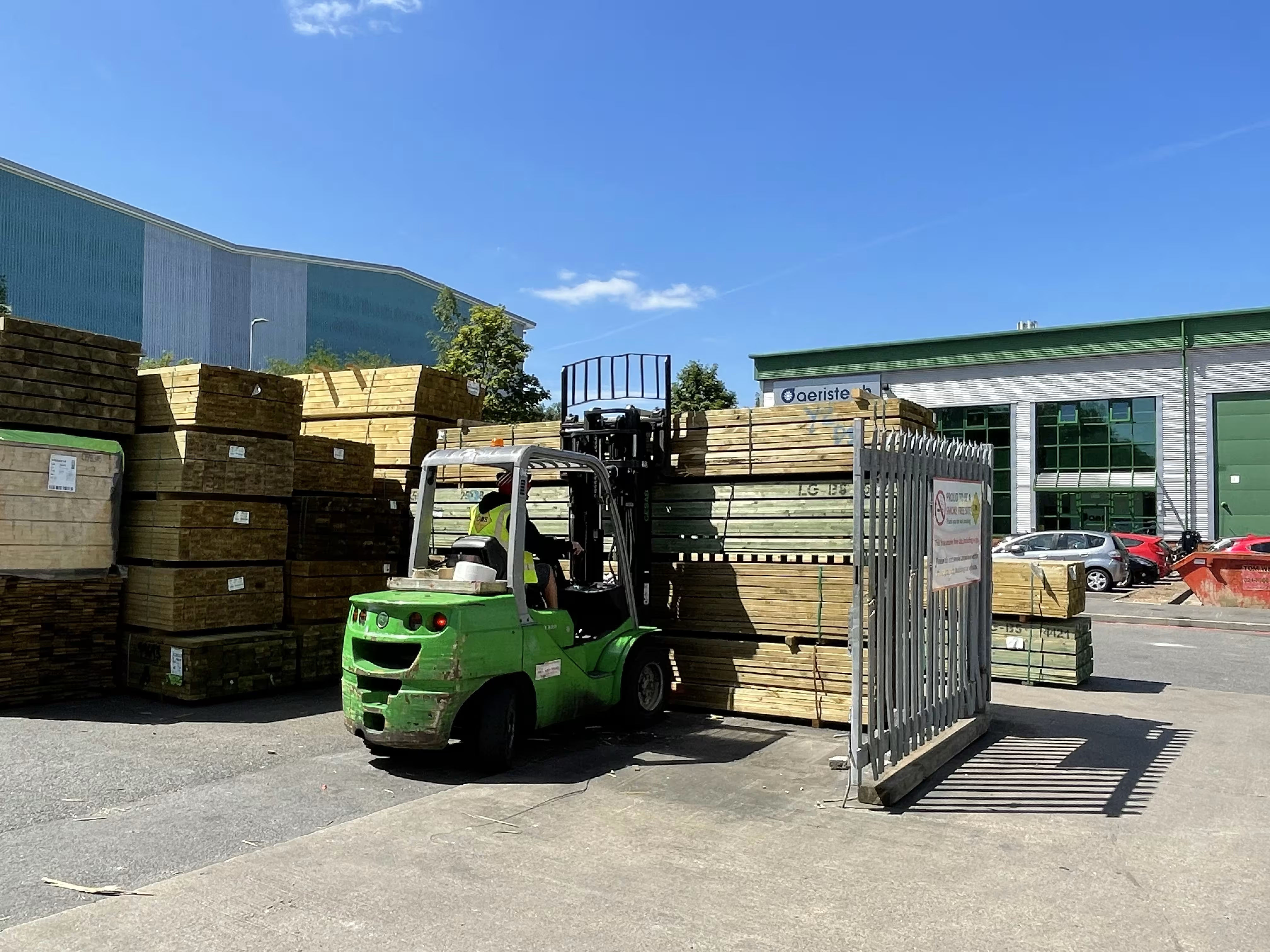
Merchants hold the obvious explosion risks, from LPG cages to fuel for yard plant and the paint and solvent aisle, and some that are easy to miss, such as dust from the timber cutting service. Our DSEAR assessment covers both, and sets zones where they are needed and the controls for each.

Warehousing & Logistics
Vented forklift batteries release hydrogen while they charge, so the charging bay is assessed alongside LPG and any flammable stock. The assessment sets zoning where it is needed, and the ventilation, sized to how the warehouse runs.

Manufacturing & Engineering
Solvents, spray booths, flammable gases and combustible dust from woodworking or metal powders can all sit on one site. Our assessment covers each process and defines the zones and controls that apply to it.

Garden Centres
Petrol for horticultural machinery, LPG, and paints and other flammable goods on display are typical, often within reach of the public. Our assessment looks at quantities, separation and storage, and where the public can get close.

Metal Stockholders
Acetylene and oxy-fuel cutting, oils, and combustible metal dust can sit side by side in a stockholding yard. Our DSEAR assessment covers the gases and the dust, and sets zones where they are needed and the controls for each.

Childcare & Nurseries
For most nurseries the DSEAR risk is low, and regulation 3 of DSEAR takes the use of gas boilers and gas cookers out of its zoning duty, though not the gas supply pipework. The assessment records what is present and, where the risk is trivial, says so; HSE's guidance is that no further action is then needed.


Ready to book a DSEAR risk assessment?
Tell us what substances you hold and how many sites you have. We will quote for the work, and by the end you will know where an explosive atmosphere could form, which zones apply and what has to change.
Frequently asked questions
Is a DSEAR risk assessment a legal requirement?

What does DSEAR require duty holders to do?
Who can carry out a DSEAR assessment? Can you do your own?
Is DSEAR the same as ATEX?
What are the DSEAR zones?
Is there a DSEAR risk assessment template?
How often should a DSEAR risk assessment be reviewed?
How much does a DSEAR risk assessment cost?
Does diesel fall under DSEAR?
Who enforces DSEAR at a petrol station?


