

Absence Management Services that protect your business and treat people fairly
For employers handling short-term sickness patterns, long-term absence, or employees slipping off the radar - structured guidance through every stage.


What's included in this service
Absence Management Services for UK employers covering short-term patterns, long-term sickness, return-to-work processes and occupational health referrals. Structured guidance, documented decisions, and correspondence drafted for you - so absence is managed fairly, legally, and without drifting unchecked.

Diagnose what's driving absence
We review trigger points, patterns and your current absence policy against current employment law. You leave with a clear read on short-term patterns, long-term cases, and which employees need a formal process started.

One clear, prioritised action plan
A documented plan covering the correct process for each case - welfare meetings, formal reviews, occupational health referrals, or capability - with every letter, invitation and outcome document drafted for you before each stage.

Stay with the case until it's resolved
Unlimited phone and email support through review meetings, OH reports, reasonable adjustments and capability proceedings. Return-to-work interviews templated, manager guidance on hand, and 30 days of post-resolution cover.
Two ways to work with Opus
Book a one-off service for a specific need, or take on a partnership for ongoing support. Either way, the work gets done by the same team.
Book a service
For a specific need - a single project, document set, or advisory deliverable with a clear outcome.

HR Services Partnership
Ongoing HR support at a fixed monthly fee. For businesses that want HR off their plate, not on their to-do list.

Not sure which fits? Speak to a consultant - no commitment required.
HR support across your sector


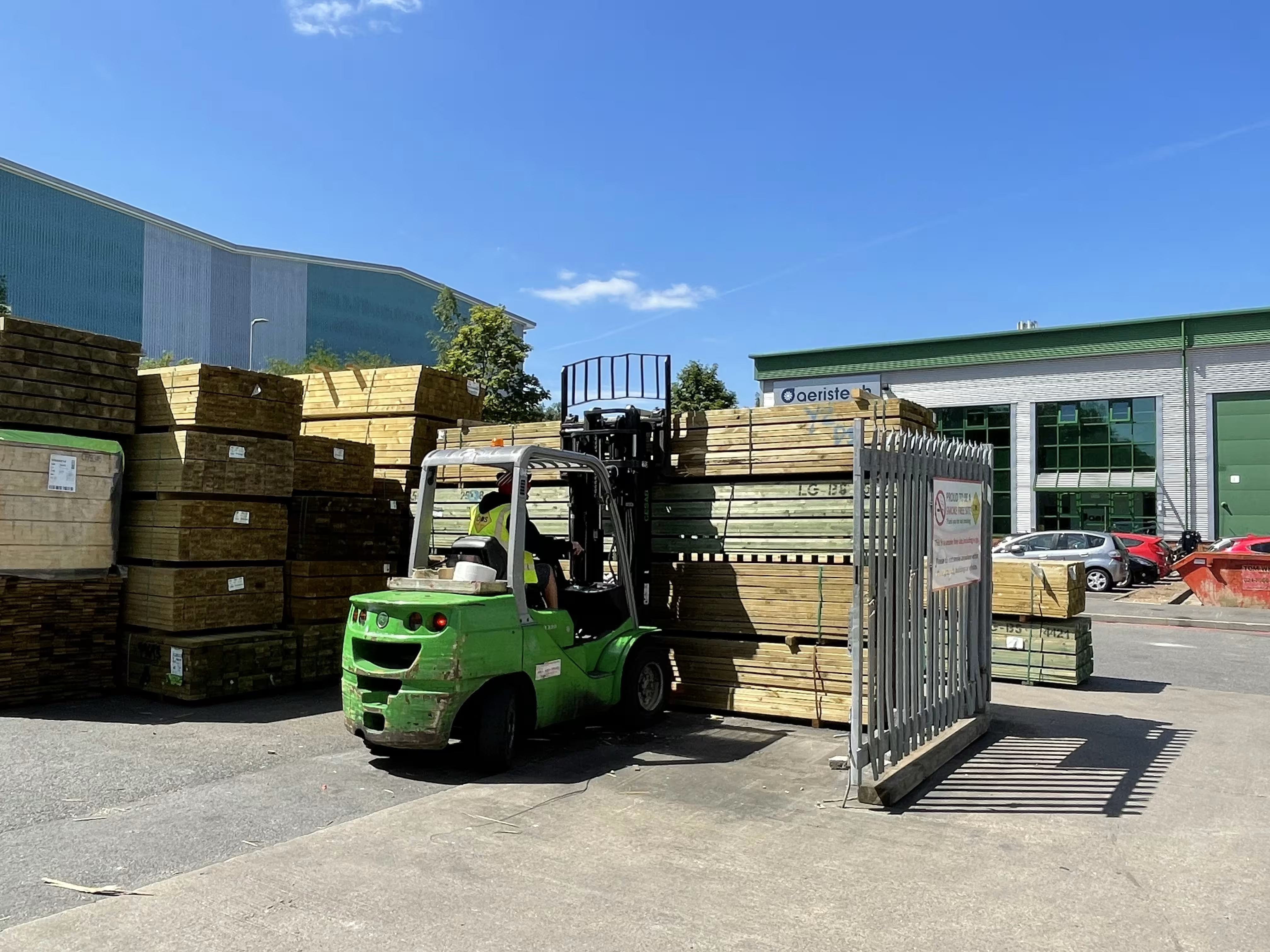
Builders Merchants
Saturday trading and yard staff. Employee relations advice that fits the way a merchant yard works.

Warehousing & Logistics
Peak-season hiring, agency workers and drivers you rarely see in person. Contracts that cover peak-season starters, and disciplinaries that account for staff on the road.

Manufacturing & Engineering
Shift patterns, agency staff and production schedules. Absence management that fits the rota, and disciplinary processes that work across shifts.

Garden Centres
Seasonal staffing, weekend rotas and a workforce that runs from experienced horticulturists to Saturday staff. Contracts that flex with the seasons.

Metal Stockholders
Yard crews, HGV drivers and fabricators across indoor and outdoor sites. Contracts that cover overtime and call-out patterns, and capability cases where fitness for the job matters.

Childcare & Nurseries
Rotas built around staff ratios, and a team of qualified practitioners and apprentices. Absence cover and conduct cases handled with the ratios in mind.


Ready to tackle absence?
A documented absence process, every conversation recorded, every outcome defensible.
Frequently asked questions
When does sickness absence become long-term?

Do we have to pay sick pay from the first day off?
When should we refer an employee to occupational health?
Do we have to make reasonable adjustments for an employee off sick?
Can we dismiss an employee on long-term sick leave?


