%201.svg)
%201.svg)
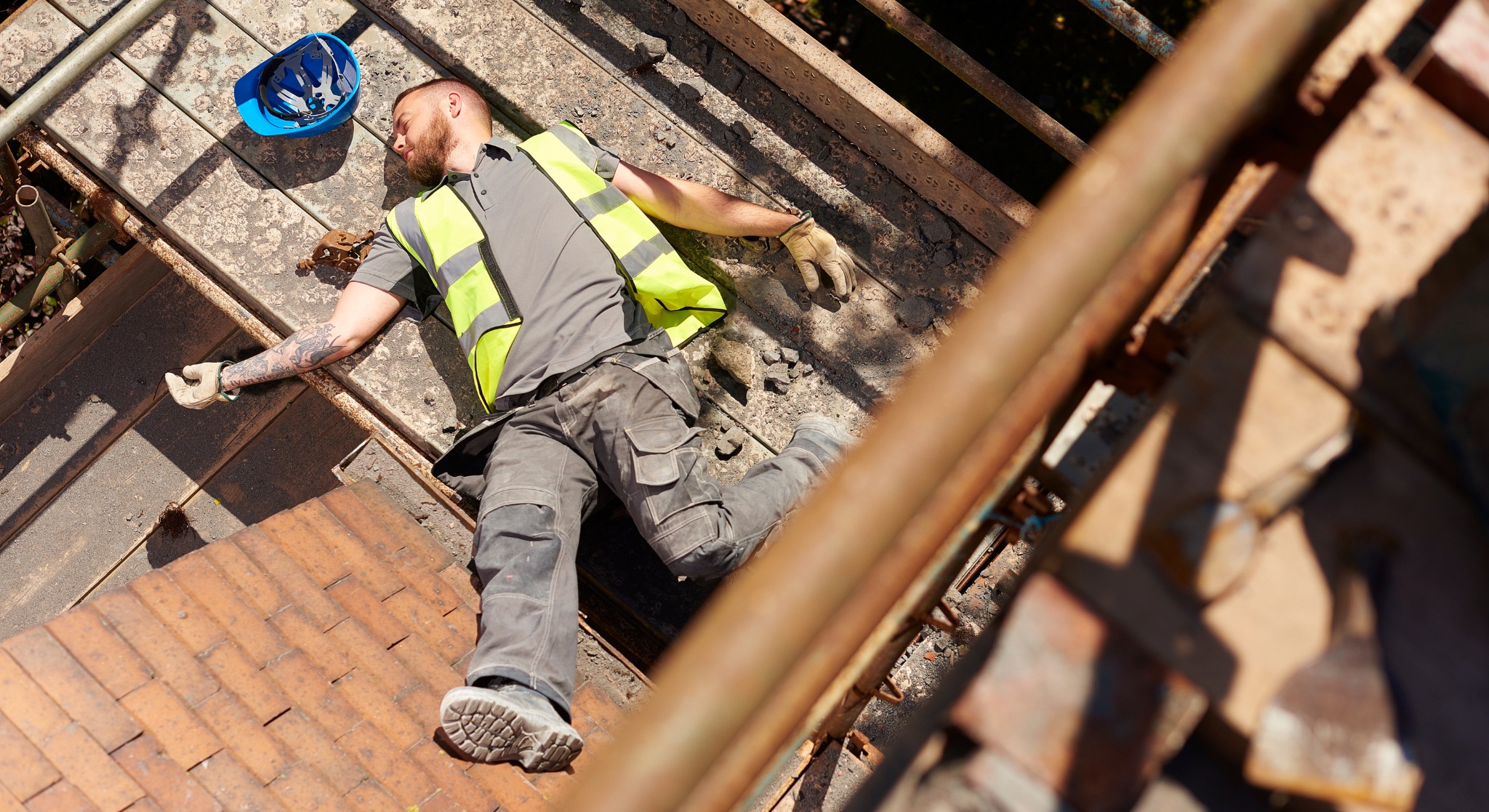
A six-figure fine for workplace dust offences and two fall from height prosecutions in one week. Recent HSE enforcement action shows why it’s worth getting the basics right.
£60,000 – London construction company, unprotected roof light, no scaffolding or harness system.
£20,000 – North-East building contractor, no risk assessment for roof repairs, worker suffers two fractured vertebrae and a fractured sternum.
£120,000 – Food manufacturer, repeated exposure to inhalable dust, concentrations above HSE workplace exposure limits.
Every injury and every financial penalty could have been avoided with straightforward safety measures. Use these cases to strengthen standards and improve safety across your sites.
Workplace injuries and illness often expose wider safety failings. Beyond the human cost of poor compliance, these cases demonstrate how ‘one-off’ accidents can trigger a cycle of fines, disruption, and lasting reputational harm.
Use these lessons to identify potential gaps in your own safety programme, strengthen your controls, and prevent similar hazards from putting your own people at risk.
£60,000 penalty for life-changing fall from height incident
A London construction company has been fined £60,000 after a worker suffered life-changing injuries when he fell through an unprotected roof light during refurbishment work at a domestic property.
The employee was passing materials through an open roof light when he fell onto the concrete floor below. An HSE investigation found that the company had failed to implement suitable measures to prevent falls from height. No scaffolding, guard rails, internal crash deck, or harness system had been provided. The company breached Regulation 6(3) of the Work at Height Regulations 2005 and was ordered to pay £6,070 in costs.
Falls from height remain a major workplace risk, accounting for around a quarter of worker deaths in Great Britain during 2025/26. The incident highlights that falls can be prevented when work is properly planned, supervised and carried out by competent people:
- Before any work at height begins, identify where people could fall and put effective controls in place.
- Prioritise collective protection, such as guard rails and suitable platforms, over personal protective equipment where reasonably practicable.
- Ensure workers are competent, properly supervised and that arrangements are reviewed as work progresses.
Bricklayer fractures vertebrae following fall from height
A North-East building contractor received a £20,000 penalty following a serious fall from height incident.
A bricklayer was helping to carry out roof repairs when he stepped onto a polycarbonate roof sheet and fell approximately eight feet onto the concrete floor below. He suffered two fractured vertebrae and a fractured sternum, requiring surgery.
An HSE investigation found that the company had not provided adequate protection for employees and contractors working at height. Crucially, there was no risk assessment or safe system of work covering the activity. The company breached Sections 2(1) and 3(1) of the Health and Safety at Work etc. Act 1974 and was ordered to pay £5,744 in costs.
Don’t assume experienced workers will automatically recognise or manage the risks of unfamiliar or fragile roof surfaces.
- Before starting work, make sure the specific task has been assessed and that workers understand the safe method to follow.
- Where contractors are involved, clearly define responsibilities and check that suitable arrangements are actually in place.
- A brief site-specific review before work begins can identify hazards that may otherwise be overlooked.
£120,000 fine for repeated dust exposure and manual handling risks
A food manufacturer was hit with a £120,000 fine after employees were exposed to serious health and safety risks, including inhalable dust levels that could cause occupational asthma.
HSE inspectors identified unsafe practices, including dust escaping from leaking machinery, using compressed air to clear dust deposits, and dry sweeping with brushes and brooms. Subsequent workplace monitoring confirmed that staff were exposed to inhalable dust concentrations above HSE workplace exposure limits.
The investigation also revealed that employees were manually lifting 25kg sacks of ingredients on a daily basis, creating a risk of musculoskeletal injuries. The site had previously been inspected in 2021, when enforcement action was taken over dust exposure and manual handling risks. The company breached Section 2(1) of the Health and Safety at Work etc. Act 1974 and was ordered to pay £6,270 in costs.
The HSE launched an inspection programme at large bakeries across Great Britain. However, dusty ingredients, such as flour, wood dust, silica, cement, and general manufacturing residues, can present serious respiratory health risks across many sectors. If your work activities generate dusty materials, ensure you assess exposure and use effective controls:
- Implement safe cleaning methods and suitable extraction, such as local exhaust ventilation (LEV).
- Poor cleaning practices are key risks. Avoid compressed air and dry sweeping where they create airborne dust.
- Assess manual handling tasks and consider mechanical aids or other measures to reduce the need to lift heavy loads.
- Review controls regularly, particularly where previous inspections have identified similar risks.
To chat through your safety challenges with your Opus consultant, reach out on 0330 043 4015 or email hello@opus-safety.co.uk.
Curious what a similar safety breach would mean for your business? Our free Fine Estimator calculates potential penalties according to incident type, sector, and turnover.
Sources
- HSE: Construction company fined £60,000 after worker seriously injured, 6 August 2026
- HSE: Building contractor fined after employee fell through a fragile roof, 10 August 2026
- HSE: Food manufacturer fined £120,000 after workers exposed to hazardous dust and manual handling risks, 20 July 2026
- HSE: Latest annual work-related fatalities published, 1 July 2026

Last updated
August 18, 2026
Opus Safety
Health & safety insights
Guidance, updates and practical advice for your sector.







The psychology of safety: When workarounds become the way we work
Two machinery prosecutions show how shortcuts become standard practice. How to build a safety culture where the safe way is the default way.
Planning new or non-routine work: When the job changes, so do the risks
When work changes location, equipment or method, the risks change too. How to spot the triggers for reassessment and plan non-routine work safely.
HSE prosecutions: Workplace fatalities and seven-figure fines
Four recent HSE prosecutions – from a £1m refinery gas leak to fatal and life-changing injuries – and the simple controls that would have prevented them.
HSE prosecutions: The cost of poor compliance
Four recent HSE prosecutions - occupational asthma, severed fingers, a lost leg and a fall from height - and the basic controls that would have prevented each.
HSE prosecutions: lessons from four recent enforcement cases
Four recent HSE prosecutions show why machinery guarding, hazardous substance controls and workplace transport segregation remain non-negotiable.
Recent HSE Prosecutions
Real UK workplace safety prosecutions, including fines for machinery incidents, falls from height and COSHH failings, and the lessons for you.
Opus Compliance Cloud turns one - 12 months of innovation, and counting
We’re celebrating one year of Opus Compliance Cloud software. See how far we’ve come in 12 months – and the exciting road ahead!
HSE statistics: your 2022/23 summary
The Health and Safety Executive has shared its annual report on workplace safety. Get the inside story on accidents, ill health, and stress at work.
How to pass your 2024 HSE metalworking fluid inspection
The HSE will audit businesses using metalworking fluids in their machining processes through March 2024. Our 3-point plan gets you inspection-ready.
2023 HSE target areas – do your safety controls measure up?
The HSE has released this year's top safety priorities. Learn what inspectors will look for in 2023, plus expert tips to prevent interventions.

Why businesses choose
Opus Safety
We've worked across UK industry for years. The numbers show what our clients achieve when compliance becomes a strength, not a burden.


%201.svg)


