%201.svg)
%201.svg)
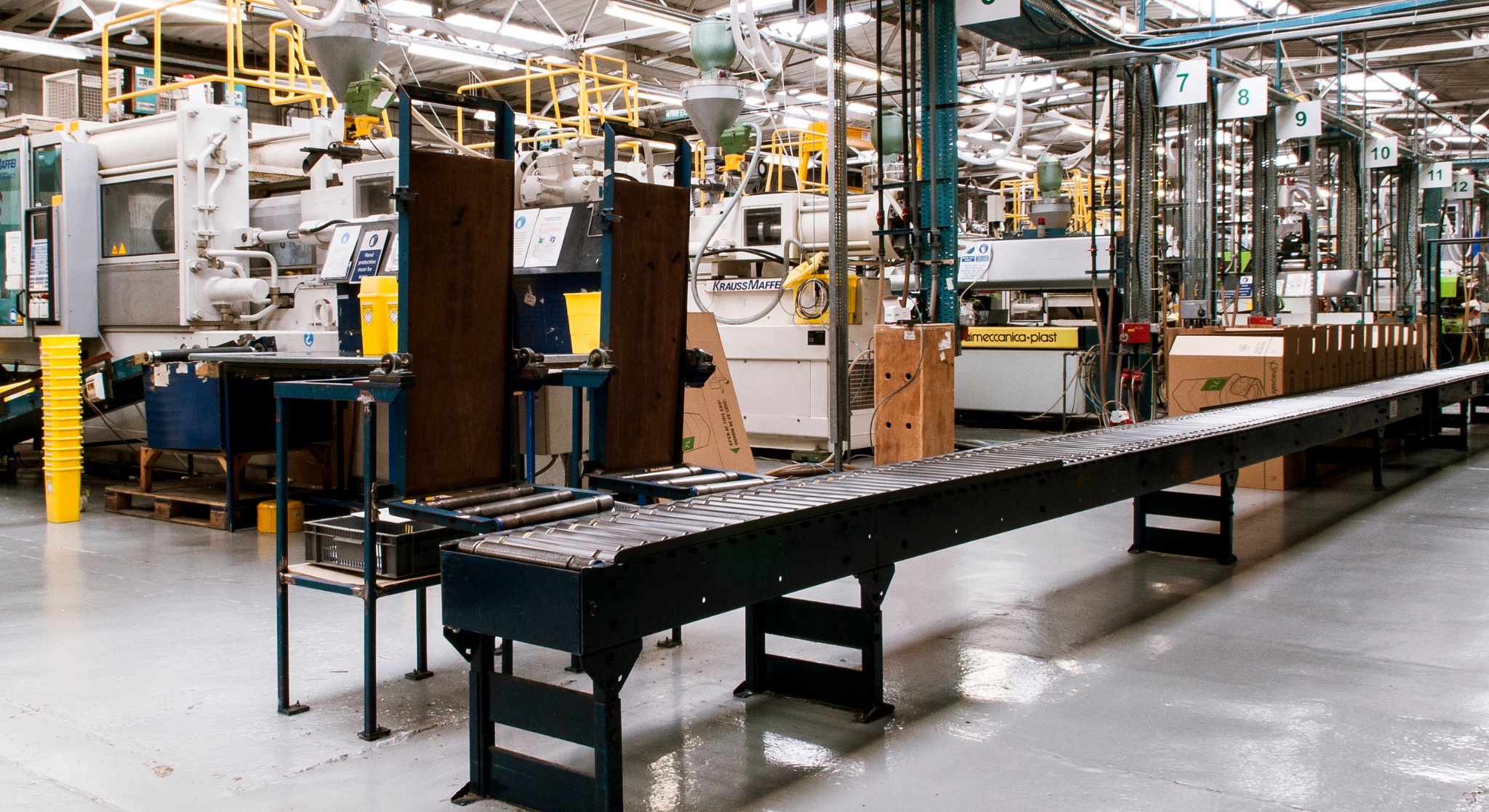
Removing guards. Bypassing interlocks. Supervisors letting safety standards slide. When corner-cutting becomes common practice, you risk serious injury and significant penalties.
In July, a chemical manufacturer was fined £100,000 when a worker's hand was caught in an unguarded powered conveyor. His injuries required surgery and he was unable to work for six weeks. An HSE investigation found the employer had failed to prevent access to dangerous equipment, sidestepping effective measures such as fixed or interlocking guards. That is a breach of Regulation 11(1) of the Provision and Use of Work Equipment Regulations 1998.
This month, a plastic packaging company was fined for the second time in less than a year. A worker sustained a severe crush injury when their hand was drawn into the rollers of a laminating machine. The sentence comes just nine months after the same company was fined £277,500 over the death of a worker trapped in unguarded machinery at another of its sites. Across the two cases, it has now been fined £337,500.
In both cases, the message goes beyond machinery guarding. Both point to a wider pattern: how easily shortcuts replace safe systems of work. Across all sectors, time pressures, overstretched supervisors, and a casual approach to compliance can turn workarounds into ‘just what we do’. Until an accident forces a reset of safety rules.
This article underlines the importance of a strong safety culture, clear site rules, and consistent enforcement, helping you embed a compliance-first ethos across your business.
The business benefits of a robust safety culture
An effective safety culture goes further than meeting your legal compliance requirements. It involves a team effort where every worker, manager, and leader contributes to common compliance goals. But how do you establish a shared, safety-first ethos, and why is it worth it?
Beyond protecting your people, the rewards of a company-wide safety commitment are proven – and profitable. Organisations that make compliance a core part of strategy, operations, and staff development enjoy higher employee engagement and retention, enhanced productivity, and fewer workplace accidents.
- When workers understand their role in safety, they work smarter, look out for colleagues, and take accountability for their actions – strengthening morale and operational resilience.
- When your employees proactively report safety concerns, you avoid production delays, protect assets, and head off costly incidents before they happen.
- When safety is central to everyday decision-making, you see fewer disruptions, lower insurance and legal exposure, and healthier long-term performance.
In addition, you’re more likely to avoid the job-related injuries, illnesses, and absence that cost Great Britain £22.9 billion every year.
Embedding accountability across your business
A strong safety mindset is an ongoing commitment – and every employee plays a critical role. Your competent person can advise on the practical aspects of compliance, but it’s leadership’s responsibility to live and breathe your safety culture. Change begins when a board-level pledge to prioritise safety is brought to life through accessible policies, everyday excellence, and open communication.
As an employer, you set the example and initiate the conversation. Wearing a hard hat and hi-vis is a strong starting point, but engaging with workers about real-world risks increases employee buy-in and transforms your approach to incident prevention. It’s the difference between telling your team to follow the rules and motivating them to make compliance an everyday priority.
To move from a rules-led to a culture-led approach, compliance should be a core strand of your business strategy and an agenda point at every board meeting.
Key leadership actions include:
- Following safety best practices at all times.
- Cultivating a secure working knowledge of safety regulations for your sector.
- Regularly reviewing incidents, near misses, and staff absence.
- Actively identifying emerging risks.
- Creating safe channels for safety reporting.
- Aligning rewards and remuneration with safety outcomes.
- Championing a fair, learning-focused response to incidents.
- Considering safety when shaping policies, practices, and commercial decisions.
Motivating managers to live your safety values
Managers are instrumental in raising day-to-day compliance standards. For better or worse, employees take cues from supervisors’ attitudes and actions. If managers dismiss concerns, cut corners, or respond punitively, reporting declines and unsafe practices take hold. When they model openness and discipline, standards rise and safer behaviours become the norm.
For supervisors to actively strengthen your safety culture, they need practical skills and visible board-level backing. Without reliable ongoing support, follow-through falls away and leadership commitments become lip service.
To ensure managers lead by example, equip them with:
- Regular, role-specific safety training to build confidence and knowledge.
- A clear understanding of why controls are in place.
- The language to articulate rules and risks to their teams.
- Structured opportunities to voice safety concerns with senior leaders.
- Clear safety responsibilities, including when and how to stop work.
Giving staff a voice on safety
For cultural change to stick and succeed, employees need to have meaningful input. In businesses that take a reactive approach to safety, workers often feel rules are imposed by execs who are removed from operational reality. This disconnect erodes trust and weakens engagement.
Inviting teams to share their expertise and experience – right from risk assessment stage – strengthens staff engagement, creates more targeted safety controls, and leads to more consistent compliance on the ground.
Consult with your team by:
- Surveying workers about hidden hazards, impractical procedures, and shortcuts that are becoming standard practice.
- Establishing safety circles and small working groups to examine existing and emerging risks. For example, recurring trip hazards, collision hotspots, or stock levels that hinder visibility.
- Asking employees to suggest workable solutions – and including viable ideas in your compliance plan.
- Encouraging future engagement and insights by communicating how staff feedback has shaped your programme.
Involving employees from the outset builds ownership and reduces the need for extensive top-up training. When individuals identify risks and help set control measures, they’re more likely to weave them into everyday working practices.
Making safety second nature
Building a strong safety mindset means making the safe way the default way. If compliance makes the job slower, harder, or more labour-intensive, employees are more likely to search for shortcuts and workarounds.
To streamline safety processes, examine where corner-cutting happens. Pinpointing where tasks become complicated, pressurised, and time-consuming helps you identify unsafe practices at their source. Without blame or repercussions, ask your employees for real-world feedback:
- Are our safety systems of work too complex?
- Which workarounds are happening and why?
- Are guards tricky to access or maintain?
- Is the right equipment readily available?
- Are there enough workers to meet production targets?
- Do you feel free to challenge unsafe practices?
Use near misses, observations, safety conversations, and worker feedback to identify recurring workarounds and understand what’s driving them. Then remove the underlying barriers wherever possible.
Workers are more likely to follow procedures when they can see that safety rules reflect the realities of their jobs. At the same time, managers can address the causes of unsafe behaviour rather than repeatedly correcting the same symptoms.
The goal is to make compliance the obvious option, every time.
Shaping a successful safety culture takes commitment and support. If you’d like to discuss ways to boost engagement and accountability in your business, we’re here to help.
Talk to the team on 0330 043 4015 or email us at hello@opus-safety.co.uk.
Sources

Last updated
August 18, 2026
Opus Safety
Health & safety insights
Guidance, updates and practical advice for your sector.


Do I need a competent person if I have no in-house H&S expert?
Yes. Every employer in Great Britain must appoint one under Regulation 7 of the Management of Health and Safety at Work Regulations 1999.
Who can act as a competent person for a small business?
Small businesses can appoint the owner, a trained employee or an external consultant. How to choose, and what the law requires.
HSE prosecutions: Counting the cost of non-compliance
Two fall from height prosecutions in one week and a £120,000 dust fine. What recent HSE enforcement action means for your controls.

Why businesses choose
Opus Safety
We've worked across UK industry for years. The numbers show what our clients achieve when compliance becomes a strength, not a burden.


%201.svg)


