%201.svg)
%201.svg)

- Regulation 7 of the Management of Health and Safety at Work Regulations 1999 says that every employer must appoint a competent person to help them meet their legal duties.
- Small businesses can appoint a suitably qualified employee or an external health and safety consultant.
- Employers remain legally responsible for health and safety, even when they appoint an external competent person.
- A trusted health and safety partner can help small businesses reduce costs, mitigate risk, and stay consistently compliant.
Small businesses can appoint either a suitably trained employee or an external health and safety provider to act as their competent person. Partnering with a health and safety consultant can help smaller employers access specialist expertise and confidently meet their legal requirements without hiring a full-time safety professional.
Under UK law, every employer – regardless of size or sector – must have access to competent health and safety advice. Regulation 7 of the Management of Health and Safety at Work Regulations 1999 requires all businesses to appoint one or more competent persons to support their legal compliance duties.
This person can be the business owner, an in-house employee, or an external health and safety advisor. Most importantly, they must have the necessary skills, sufficient training, and experience to help you manage risk, fulfil your legal requirements, and stay up to date with changing legislation.
For smaller businesses, working with a health and safety consultant can provide strategic oversight, practical support, and broader industry knowledge not available within existing teams.
What is a competent person?
A competent person is someone with the appropriate skills, training, and experience to help you comply with UK health and safety law. They assist you in recognising workplace hazards, identifying suitable controls, and protecting employees and the public from harm.
Do small businesses need a competent person?
Yes. Under UK health and safety law, every employer must have one or more competent persons, regardless of their business size or sector. Whether you’re a growing start-up or a small family-run firm, you need to appoint someone with suitable knowledge, skills, experience, and sufficient training to help you manage your legal health and safety responsibilities.
The regulations apply to employers across all industries:
- Offices and professional services
- Tradespeople and construction companies
- Retail and hospitality
- Manufacturing and engineering
- Education and childcare settings
- Healthcare and social care
- Charities and voluntary organisations
Can I act as my own competent person?
Yes. A business owner can act as their own competent person if they have the requisite knowledge, training, and experience to manage health and safety effectively. If you don’t, you should appoint a suitably competent employee or work with an external consultant.
Because safety management can be complex and time-consuming, many small businesses prefer to partner with a health and safety professional.
Appointing an external competent person leaves you free to run your business while a sector specialist identifies risks, recommends best-practice safety controls, and proactively supports compliance.
Whether you act as your own competent person, appoint an employee, or engage an external consultant, you remain legally responsible for managing health and safety and working in line with the law.
What does a competent person do?
A competent person helps employers manage health and safety by identifying workplace hazards, assessing risks, recommending appropriate control measures, and providing advice to support compliance with health and safety law.
The scope of their role depends on the business’s size, operations, and risk profile – and their level of competence must reflect the demands of their environment. For example, a machinery-heavy manufacturing firm requires more specialised safety knowledge than a team of five office-based workers.
For many lower-risk businesses, time and cost are the biggest concerns. Even in a small company, competent person duties can be complex and labour intensive. The role typically demands:
- Identifying workplace hazards and assessing risks
- Recommending targeted control measures
- Advising on legislative changes
- Tracking workplace accidents and illnesses
- Reviewing policies and procedures
- Overseeing safety training
- Liaising with safety regulators (HSE and local authorities)
- Supporting accident investigations
An external consultant can lighten the load, helping teams focus on core business, providing expert compliance support, and removing the overheads of an in-house health and safety team.
Who is legally responsible for health and safety compliance?
The employer. A business can delegate the competent person role to an external partner, but not the legal liability. Even with an outsourced partnership, the employer retains ultimate legal responsibility for staff health and safety.
That’s why it’s important to work with a provider who takes on the competent person role directly, rather than offering reactive, ad-hoc advice. In a true competent person partnership, you benefit from a front-footed approach to incident prevention and ongoing support through inspections, audits, and investigations.
Why is it worth using an external competent person?
An external competent person provides expert health and safety advice without the cost of employing an in-house professional. This means you can fully focus on your business, meet your legal obligations, and benefit from tailored health and safety support.
Many small businesses don't need a full-time health and safety manager. For companies with tight budgets and stretched resources, working with an experienced health and safety consultant can be an efficient way to improve compliance, reduce risk, and access professional expertise that suits their size and safety challenges.
Key benefits include:
- Access to professional advice and current legal guidance
- Objective, independent recommendations to improve workplace safety
- Support with risk assessments, policies, and documentation
- A stronger safety culture and higher employee engagement
- Lower costs than employing in-house health and safety staff
- More time for owners and managers to focus on their day jobs
- Reduced risk and more effective safety controls
- Agile support that adapts to your changing business needs
How do I choose the right health and safety consultant?
Not all health and safety support is the same. Some ad-hoc and retained advisors provide off-the-shelf answers only when issues arise. As a small business owner, you’re left to implement your own systems, policies, and safety controls using generic templates and little or no follow-up support.
Opus does things differently. As the competent person acting for a business, we’re contractually obliged to oversee safety and maintain compliance on your behalf. We become your named competent person under UK law, which means you can rely on us to:
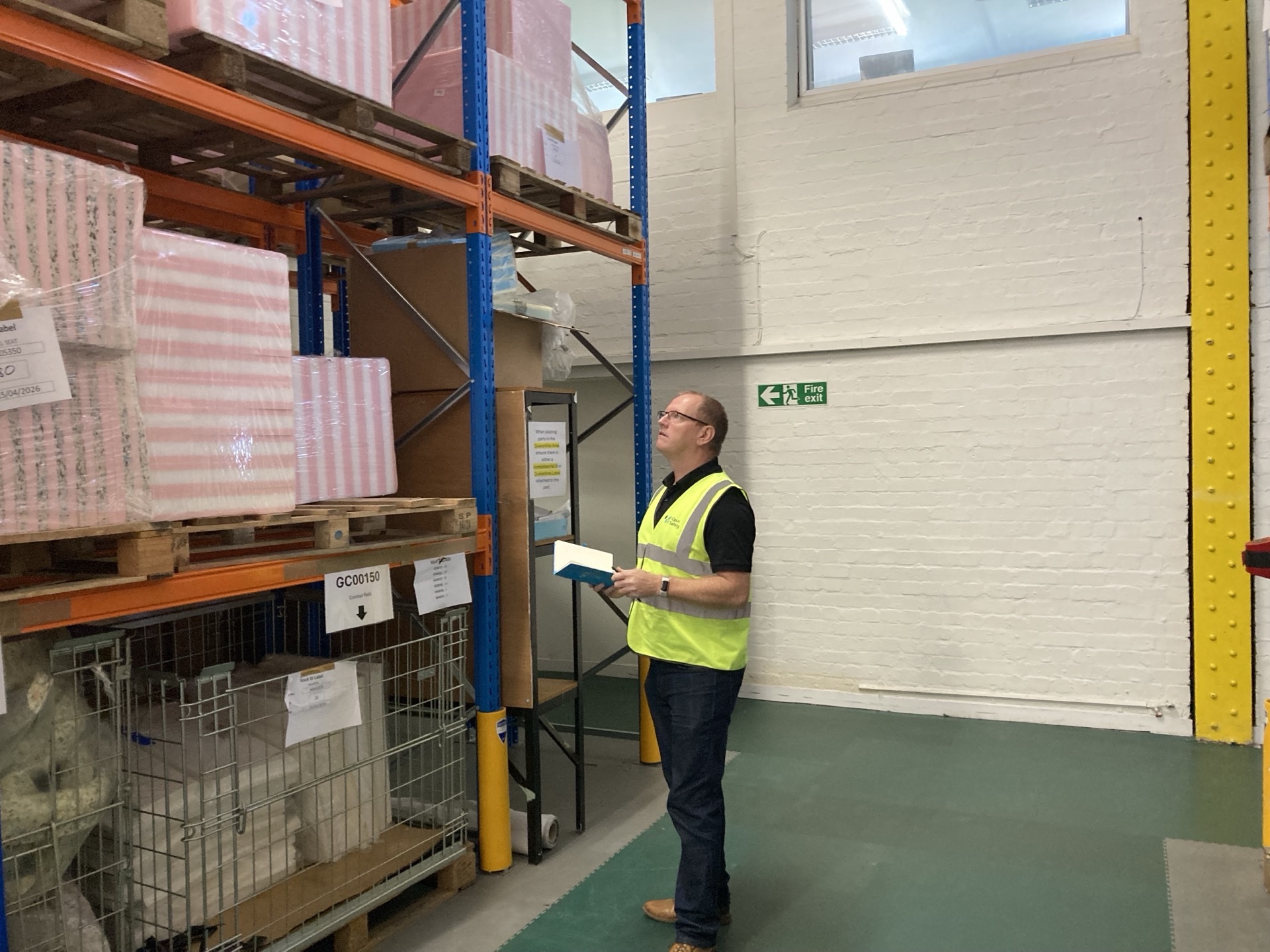
- Act as an extension of your team, walking the floor with staff to strengthen your safety culture and build employee engagement.
- Identify risks across your business, carry out regular compliance reviews, and recommend targeted control measures.
- ‘Do the doing’ by undertaking all document writing and design, carrying out regular compliance reviews, and delivering safety training.
- Provide tailored guidance through a named consultant who understands your business and operational pressures.
- Offer immediate, free-of-charge support in the event of a safety incident.
We were founded by former health and safety inspectors and Environmental Health Officers who know what triggers enforcement action. To learn how our competent person partnership can help small businesses achieve consistent compliance, visit our consultancy page.
Otherwise, chat with one of our helpful safety specialists, call us on 0330 043 4015 or email hello@opus-safety.co.uk.

Last updated
September 1, 2026
Opus Safety
Health & safety insights
Guidance, updates and practical advice for your sector.






How to tell whether a health and safety consultant is genuinely competent
What qualifications should a health and safety consultant have? What regulation 7 of the MHSWR 1999 asks, NEBOSH and IOSH levels, and how to check them.
What a retained health and safety service includes
A retained health and safety service means ongoing access to a competent person. What it includes, what it can exclude, and what stays your legal duty.
Outsourced health and safety or an in-house appointment?
Employ if you need someone present, retain if you need competence you lack. What decides it, what it costs, and why neither moves your legal liability.
How to choose a health and safety consultancy
How to choose a health and safety consultancy: the competence and time tests in regulation 7 of the MHSWR 1999, the questions to ask, and the red flags.
What health and safety actually requires of a UK employer
What is health and safety? In law it is a duty on you as the employer to assess risks, control them and prove it. What that means in practice, and when.
Do I need a competent person if I have no in-house H&S expert?
Yes. Every employer in Great Britain must appoint one under Regulation 7 of the Management of Health and Safety at Work Regulations 1999.
What qualifications should an outsourced competent person have?
No qualifications are prescribed by law. Which NEBOSH, IOSH and sector credentials matter when appointing an external adviser.
Can you outsource your competent person for health and safety?
Yes, where no competent person is in your employment, under Regulation 7 of the Management of Health and Safety at Work Regulations 1999 in Great Britain.
The psychology of safety: When workarounds become the way we work
Two machinery prosecutions show how shortcuts become standard practice. How to build a safety culture where the safe way is the default way.
Why Was the Health and Safety at Work Act Introduced?
Why was the Health and Safety at Work Act introduced? The disasters, the Robens Report and the duties the HSWA still places on UK employers today.

Why businesses choose
Opus Safety
We've worked across UK industry for years. The numbers show what our clients achieve when compliance becomes a strength, not a burden.


%201.svg)


