%201.svg)
%201.svg)
Before you choose a health and safety consultancy, check two things: that whoever will visit your site is competent under regulation 7(5) of the Management of Health and Safety at Work Regulations 1999, and that the amount of time in the contract is adequate for the size and risk of your business.
Before you choose a health and safety consultancy, check two things: that whoever will visit your site is competent under regulation 7(5) of the Management of Health and Safety at Work Regulations 1999, and that the amount of time in the contract is adequate for the size and risk of your business. Before either, ask whether you already employ someone competent, because regulation 7(8) of those Regulations says that person must be appointed in preference to a competent person not in your employment.
What the law says about appointing a consultancy
Under regulation 7(1) of the Management of Health and Safety at Work Regulations 1999, every employer must appoint one or more competent persons to assist in meeting their health and safety duties. Those Regulations extend to England, Wales and Scotland; in Northern Ireland the equivalent is regulation 7 of the Management of Health and Safety at Work Regulations (Northern Ireland) 2000.
Three parts of the regulation decide how you choose.
Regulation 7(5) of those Regulations defines competence, and it names no qualification. A person is competent where they have sufficient training and experience or knowledge and other qualities to properly assist. There is no statutory certificate, no minimum NEBOSH level, no register you must use. So a consultancy cannot be ruled out for lacking a particular badge, or ruled in for holding one.
Regulation 7(8) of those Regulations says an employee comes first. Where there is a competent person in your employment, that person must be appointed in preference to somebody outside it. So the first question is whether you already have someone. If you have a site manager who meets the competence test above and has enough time in the week, the law expects you to appoint them.
Regulation 7(3) of those Regulations makes the size of the contract a legal question. You must ensure that the number of people appointed, the time available to them, and the means at their disposal are adequate, having regard to the size of your undertaking, the risks your employees face and how those risks are spread across it. Two site visits a year across six depots with forklifts and a coating line is hard to square with that test, whatever the invoice says, and the duty to get it right is yours.
Four checks that separate consultancies
1. Who attends, and what have they done
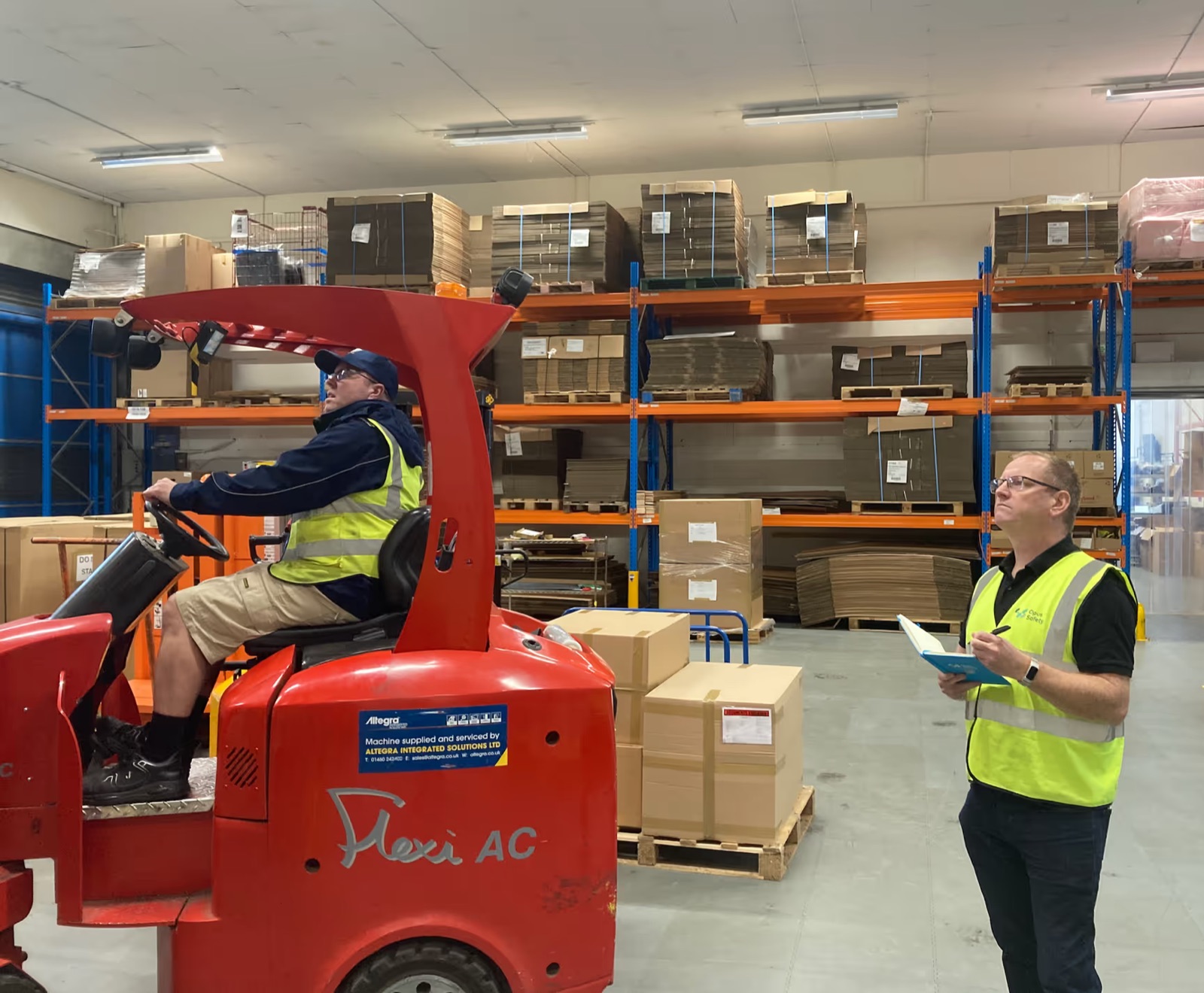
Ask what type of consultant will visit, who they are and what their background is, and whether that person has worked in your kind of building before. Some consultancies sell on the credentials of a technical director and deliver with whoever is free that week.
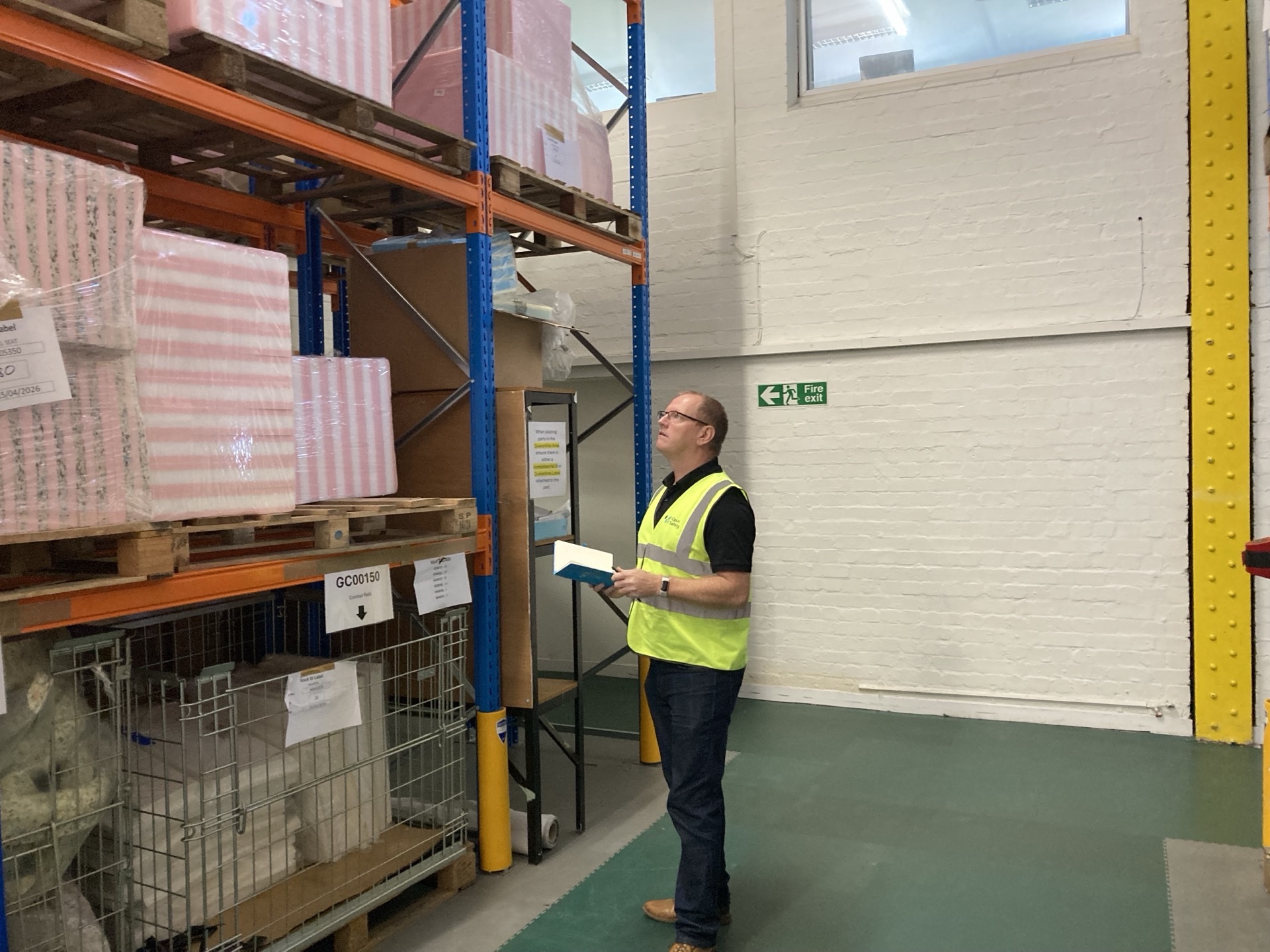
The risks are sector-specific: vehicle movement and manual handling in a builders merchant yard, racking damage in a warehouse, evacuation and equipment safety in a nursery. A consultant who has stood in one knows where to look first.
2. What you are buying: advice, or the work
A consultancy may advise and leave the work to you, or it may do the work and hand you the finished document. Both are legitimate, and only the second reduces your team's workload.
After the visit, who writes the risk assessment and associated paperwork? If the answer is you, price the internal time before you compare quotes.
3. Whether they will tell you that you do not need something
A consultancy that finds twelve urgent problems on every first visit is running a sales process. The honest ones will tell you when your existing arrangements are adequate, and when a two-yearly review is enough instead of an annual one.
4. What happens when something goes wrong at 4pm on a Friday
An improvement notice, a RIDDOR-reportable injury, an inspector on site. Ask what the response is: a named mobile number, a duty consultant, or a ticket. Then ask what it costs, because enforcement support can sit outside the retainer.
The questions to ask on the first call
| Ask this | A good answer sounds like | Worry if you hear |
|---|---|---|
| Who will visit our site, and what is their background? | A name, a sector history, and an offer to put you on the phone with them | "One of our qualified team" |
| How much time does this contract include, and how did you size it? | Sized against site count, headcount and risk profile, with the reasoning shown | A package tier with no link to your operation |
| Do you write the assessments, or do we? | A clear statement either way, in the proposal | Vague language about support and guidance |
| How long is the contract and what is the notice period? | A number, in writing, before you sign | "Standard terms, it is all in the paperwork" |
| Does the price include enforcement support? | Yes, or a stated day rate | An answer that avoids the question |
| What would you tell us we do not need? | At least one real example | Nothing |
Print it and use it on every call.
Three mistakes to avoid
Treating accreditation as competence. Membership of a professional body tells you somebody met an entry requirement. It says nothing about whether they have seen your process. Regulation 7(5) of those Regulations asks whether they have sufficient training and experience or knowledge and other qualities, applied to your risks.
Comparing quotes for different things. A quote covering four site visits, written assessments and unlimited phone support buys different work from one covering two visits and a template library, even where the annual figure is similar. Write down what each includes before you compare the numbers.
Assuming the duty transfers. It does not. Appointing a consultancy changes who does the work, never who is accountable for it. If the arrangement turns out to be inadequate under regulation 7(3) of those Regulations, that is your finding, not theirs.
Frequently asked questions
Do I legally need a health and safety consultant? No. You need a competent person, and regulation 7(8) of the Management of Health and Safety at Work Regulations 1999 says that if you already employ someone competent, they must be appointed in preference to an external consultant. You need a consultancy when nobody inside the business has the training, experience or available time.
What qualifications should a health and safety consultant have? The law names none. Regulation 7(5) of the Management of Health and Safety at Work Regulations 1999 defines competence as sufficient training and experience or knowledge and other qualities. In practice, membership of a recognised professional body plus real experience in your sector is the combination that holds up. Treat a qualification as a starting point.
What does a health and safety consultancy cost? It depends on how many sites you have, how many people you employ and what your risk profile is, because those map onto the three things regulation 7(3) of those Regulations measures adequacy against: the size of your undertaking, the risks your employees face and how those risks are spread across it. Ask any provider to show how they sized the contract against those three.
How long should a health and safety contract be? Long enough for a consultant to learn your sites, short enough that you can leave if they do not. Ask for the notice period in writing before you sign, and check whether it renews automatically.
Can we change consultancy? Yes. Before you move, agree in writing who owns your risk assessments, training records and documentation, and how they will be handed over.
What is the difference between a consultant and a competent person? A competent person is a legal appointment under regulation 7 of those Regulations. A consultant is a supplier. The same individual can be both, once you have appointed them for that purpose. Our guide on appointing a competent person with no in-house expert covers who can take the role and what stays your duty.
Where to go next
If you are weighing the support models instead of the providers, our whitepaper on selecting your health and safety partner compares in-house, ad hoc, retained and competent person partnership arrangements side by side.
If you already know you want the work done for you, that is what outsourced health and safety covers, and our health and safety services page lists the assessments a consultancy would carry out for you.
Opus consultants include former inspectors, industry safety experts and environmental health officers. If you want a second opinion on a proposal you have been sent, including one from somebody else, send it over.

Last updated
September 25, 2026
Opus Safety
Health & safety insights
Guidance, updates and practical advice for your sector.




Opus Safety compared with Citation
Citation health and safety and Opus Safety side by side: site visits, who writes the assessments, software, phone cover and Citation's advice guarantee.
Do I need a competent person if I have no in-house H&S expert?
Yes. Every UK employer must appoint one under Regulation 7. What happens if you do not, and how to appoint an external consultant.
What qualifications should an outsourced competent person have?
No qualifications are prescribed by law. Which NEBOSH, IOSH and sector credentials matter when appointing an external adviser.
Who can act as a competent person for a small business?
Small businesses can appoint the owner, a trained employee or an external consultant. How to choose, and what the law requires.
Can you outsource your competent person for health and safety?
Yes. UK employers can appoint an external competent person under Regulation 7. What outsourcing covers and what stays your duty.
Why Health and Safety Matters: When to Hire a Consultant
Hire a health and safety consultant when you grow, your team is stretched, risks get complex, or you receive an enforcement notice - whatever your size.

Why businesses choose
Opus Safety
We've worked across UK industry for years. The numbers show what our clients achieve when compliance becomes a strength, not a burden.


%201.svg)


