%201.svg)
%201.svg)
For a national workforce, start with Medigold Health or Optima Health; for safety-critical and offshore work, MCL Medics; for smaller or care-sector employers, Everwell; for construction medicals, OH3; and for industrial sites that want surveillance run alongside their health and safety, Opus Safety. The right choice depends less on the brand than on your hazards, your headcount and how many sites you run.
For a national workforce, start with Medigold Health or Optima Health; for safety-critical and offshore work, MCL Medics; for smaller or care-sector employers, Everwell; for construction medicals, OH3; and for industrial sites that want surveillance run alongside their health and safety, Opus Safety. The right choice depends less on the brand than on your hazards, your headcount and how many sites you run.
How this list was chosen
We read each provider's own website on 1 October 2026 and compared three things: how it delivers (clinics, on-site or remote), the range of services, and the kind of employer it suits. The list is grouped by fit and carries no ranking. Opus Safety is one of the six, and its entry says where the others are the stronger choice.
What this list leaves out: prices, review scores and any provider's own claims about results, because none of those can be checked independently.
1. Medigold Health, for a broad national service
Medigold describes nationwide coverage with access to over 60 UK clinics, and is part of Health Partners Group. Its range covers management referrals, absence management, health surveillance, specialist medicals, drug and alcohol testing, mental health support and vaccinations.
That breadth suits an employer that needs most of occupational health from one contract, including HR-led work such as absence cases alongside statutory surveillance. The clinic network also helps where employees are spread across the country and on-site visits to every location would be impractical.
Worth asking: who handles your referrals day to day, and the turnaround you can expect on reports.
2. Optima Health, for large and complex workforces
Optima Health describes itself as an occupational health and wellbeing company serving the UK and Ireland. It has acquired PAM Group, and the PAM brand is moving to the Optima Health name. Mental health and musculoskeletal services sit alongside occupational health, with digital delivery options.
It is a natural candidate for a large employer, including the public sector, that wants occupational health, mental health and physiotherapy run as one programme. The acquisition of PAM gives the combined group scale.
Worth asking: how your contract will be delivered while the two businesses bring their systems together, and whether you will have a named account contact.
3. MCL Medics, for safety-critical and remote work
MCL Medics was established in 1999. It delivers through clinics, on-site mobile units and digital consultations, and it also runs remote and offshore medical services.
The mix of statutory medicals, fitness for work, drug and alcohol testing and remote medicine makes it a strong fit for energy, marine, utilities and other safety-critical sectors, where a medic on site or offshore is part of the operation.
Worth asking: whether the full service is proportionate if your risks are modest and your staff mostly work in offices.
4. Everwell Occupational Health, for SMEs and care providers
Everwell describes a nationwide network of Occupational Health Nurse Advisors and Physicians and works with organisations from SMEs to large multi-site operations, in both the private and public sectors. Alongside health surveillance and management referrals, it offers pre-employment screening, night worker checks, counselling, occupational physiotherapy and neurodiversity services, and it runs a dedicated service for care providers.
For a smaller employer, that combination covers most of what HR asks of occupational health without the procurement weight of a national contract. The night worker checks are useful for care homes and other 24-hour operations.
Worth asking: how quickly a management referral is seen, and whether assessments are face to face or remote.
5. OH3, for construction and safety-critical medicals
OH3 carries out safety-critical medicals for the construction industry, along with HAVS assessments from Tier 1 to Tier 4, skin checks, audiometry and lung function testing, on site or in clinic.
For a contractor whose workforce needs medicals to get onto site, a provider built around construction requirements saves time. Its surveillance range covers noise, vibration, dust and skin irritants.
Worth asking: coverage in your region if your projects move around the country.
6. Opus Safety, for industrial sites that want surveillance joined to their health and safety
This is us. Opus is a health and safety consultancy with an occupational health team, and that combination is the reason to consider us. Our consultants assess your workplace risks, including COSHH and noise, and identify the occupational health requirements for your workforce. Our technicians then deliver the full range of occupational health testing on your site, from health surveillance and biological monitoring to safety-critical medicals, which include vision, musculoskeletal assessment and urinalysis. We also offer drug and alcohol testing and face fit testing. Occupational Health Advisors and Physicians are available on referral when a result needs a clinical view.
We suit builders merchants, manufacturers and warehouses with physical hazards and one or several sites. We also suit smaller workforces and smaller companies: as a smaller provider than the national names, we keep a closer eye on every contract and take pride in the service. The national providers above are the stronger choice for a large office workforce, an employee assistance programme, or remote and offshore medicine.
Worth asking us: what the surveillance plan for your hazards contains. See our occupational health services.
How to decide
Start from your risk assessment. Regulation 6 of the Management of Health and Safety at Work Regulations 1999 requires the health surveillance your assessment shows is appropriate, so the hazards you have decide the tests you need. An office with no exposure to noise, dust, vibration or hazardous substances needs a referral service. A factory floor needs a surveillance programme.
Then put the same questions to every provider on your shortlist:
- Are the clinicians and technicians employed directly, or subcontracted?
- How long does it take from referral to appointment, and from appointment to report?
- What will managers receive? It should be a fitness outcome and recommended adjustments, with the diagnosis kept between employee and clinician.
- Will testing happen on your site, in a clinic or remotely, and how does that fit your shift patterns?
- Which two employers of your size and sector will talk to you as references?
A provider that answers all five clearly and in writing is easier to hold to account once the contract is running.
Frequently asked questions
What is the best occupational health provider in the UK? It depends on your workforce. A large national employer needs a clinic network; safety-critical and offshore operations need medics who can work remotely; and an industrial SME may get more from a provider that delivers surveillance on site.
Do I legally need an occupational health provider? In Great Britain, regulation 6 of the Management of Health and Safety at Work Regulations 1999 requires health surveillance wherever your risk assessment shows it is appropriate. You can meet that duty through a provider. Specific regulations add their own requirements for noise, vibration and hazardous substances.
How much does an occupational health provider cost? Prices depend on headcount, the tests each group needs, the number of sites and how often surveillance runs. Ask each provider for a fixed quote against the same specification so the figures compare.
What is the difference between health surveillance and a management referral? Health surveillance is routine testing of employees exposed to a hazard, such as hearing tests for noise. A management referral is a one-off assessment of whether an individual employee is fit for their role, for example after absence or a concern.
Should we choose a provider with clinics or one that comes on site? On-site delivery keeps employees at work and suits factories, yards and warehouses with shift patterns. Clinics suit a workforce spread thinly across many locations.
Talk to us about your sites
If your hazards are physical and your sites are industrial, tell us your headcount and what your assessments have found. We will send back the surveillance each group needs and a fixed quote, and we will tell you if one of the providers above would suit you better.

Last updated
October 1, 2026
Opus Safety
Health & safety insights
Guidance, updates and practical advice for your sector.

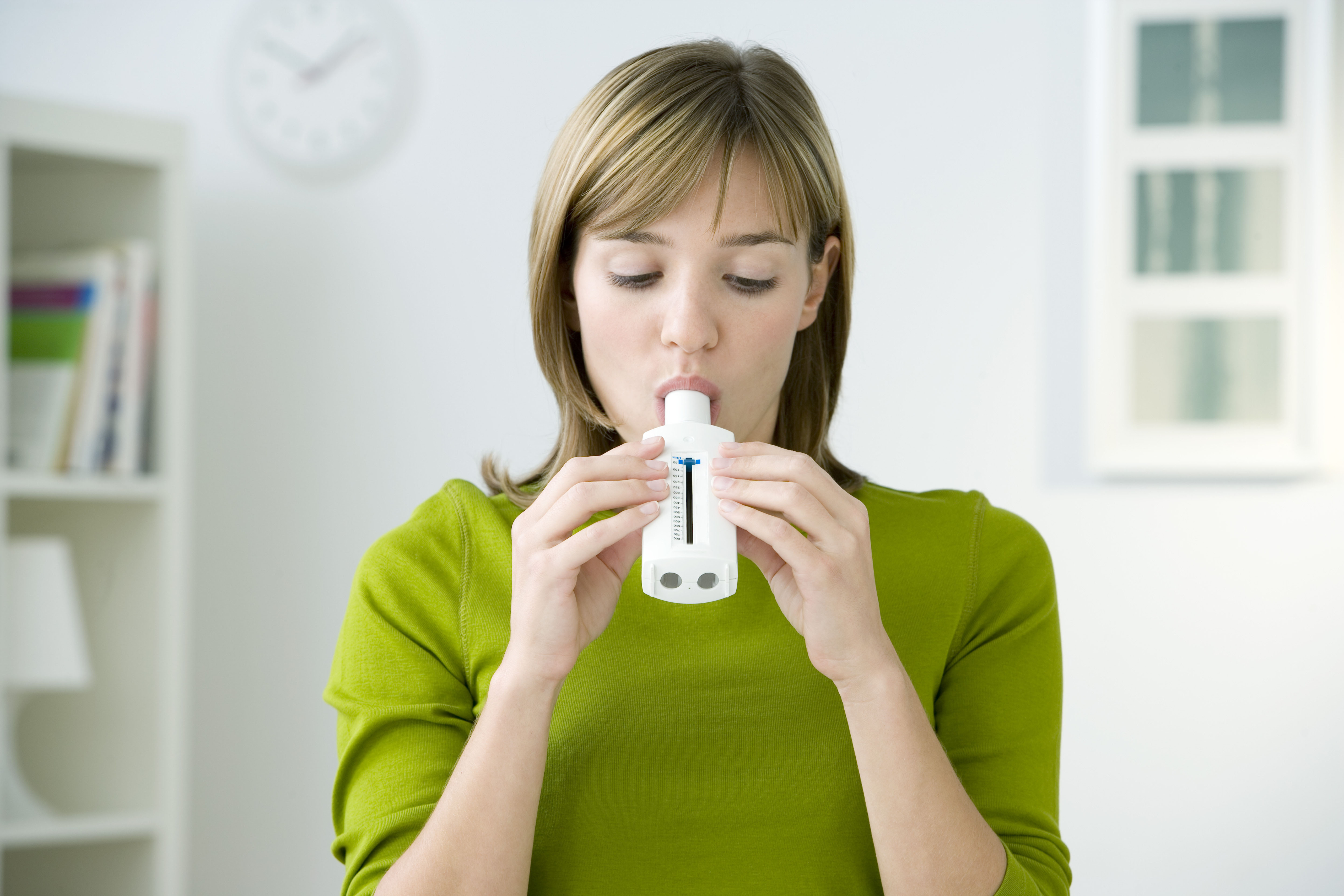
Transforming Workplace Health with Spirometry Testing
Protect employee lung health with annual spirometry testing. Detect early signs of respiratory issues and ensure workplace safety.
Occupational health: Boosting employee performance through proactive care
This Occupational Health Awareness Week, learn how simple preventative measures can maximise productivity, reduce absence, and raise safety standards.
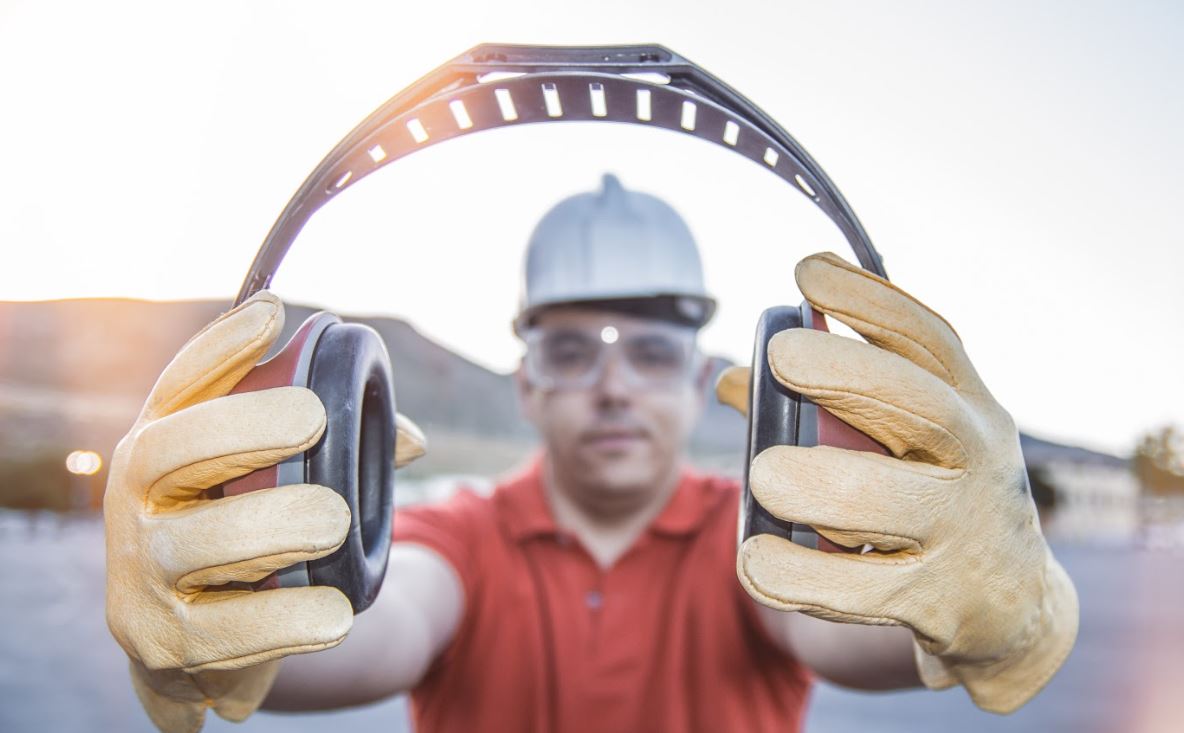
Noise-induced hearing loss: Choosing the proper protection for your team
Safeguard employees’ hearing health with helpful guidance on noise-reducing PPE – plus links to our latest white paper on preventing noise-induced hearing loss.
Making the most of your occupational health risk assessment
If you’re considering an occupational health programme, begin with an expert risk assessment. Our seven-point plan helps you turn data into action.
Proactive protection: Targeting your top illness and injury risks with occupational health
Get expert guidance on reducing absence, boosting productivity, and tackling common sector health hazards through front-footed occupational health plans.

Why businesses choose
Opus Safety
We've worked across UK industry for years. The numbers show what our clients achieve when compliance becomes a strength, not a burden.


%201.svg)


