%201.svg)
%201.svg)

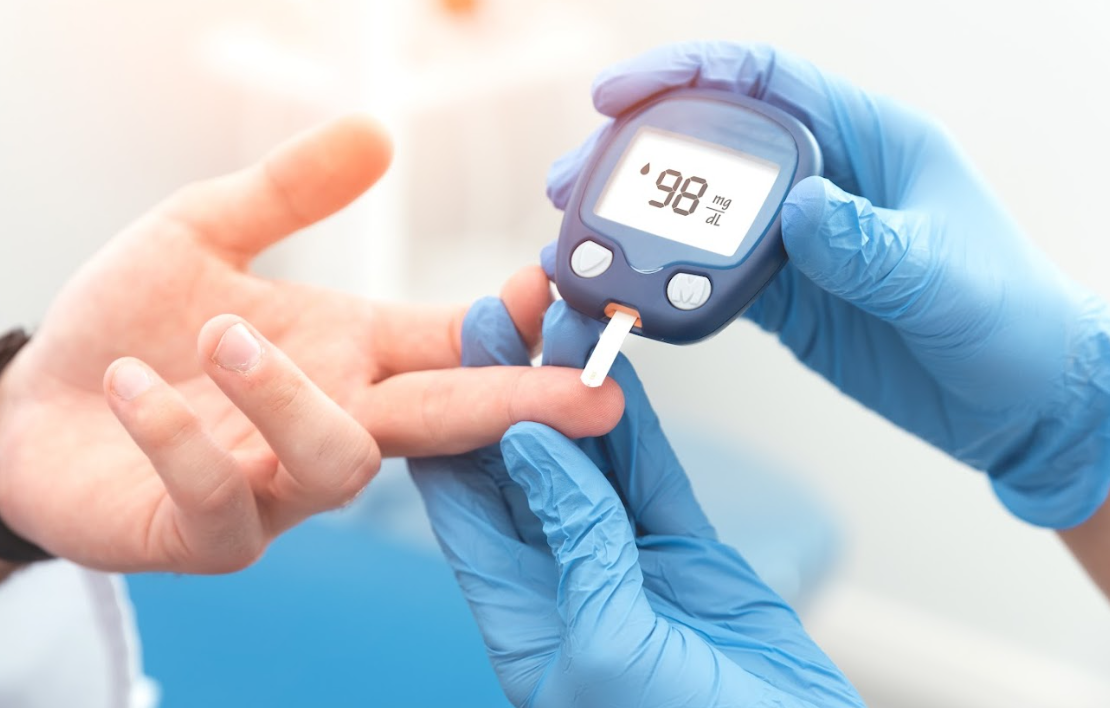
Occupational health is often seen as a reactive resource – something that gets called upon when an employee is unwell or absent. But a proactive approach to occupational health can deliver significant benefits for both employers and employees, including improved performance, reduced absence, and better employee engagement.
What is occupational health?
Occupational health is the branch of healthcare that focuses on the relationship between work and health. It is concerned with preventing work-related ill health, managing the impact of health conditions on work, and promoting the health and wellbeing of workers.
Occupational health services can include:
- Pre-employment health assessments
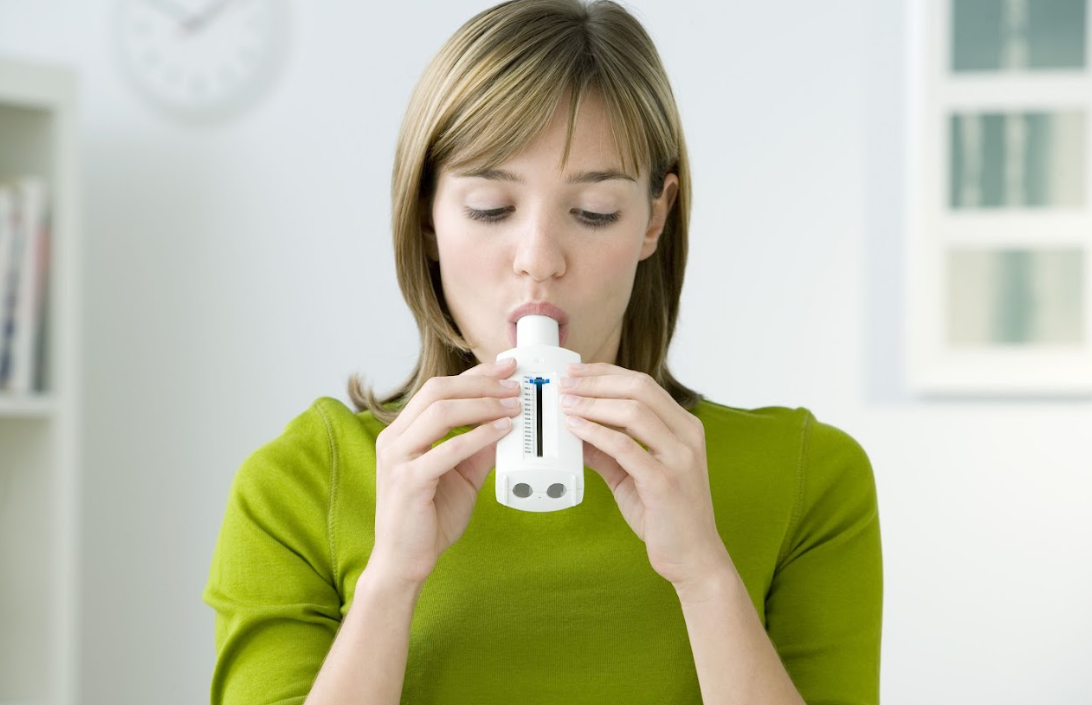
- Health surveillance (e.g. audiometry, spirometry, skin checks, HAVS assessment)
- Management referrals for employees who are absent or struggling at work
- Return-to-work assessments
- Ergonomic assessments
- Stress risk assessments
- Health promotion activities
The benefits of a proactive approach
A proactive approach to occupational health means addressing health risks before they lead to illness or absence. It involves:
- Identifying and managing workplace health risks through occupational health risk assessments
- Providing health surveillance for workers at risk of work-related ill health
- Supporting employees with health conditions to remain in or return to work through early intervention and reasonable adjustments
- Promoting healthy lifestyles and wellbeing in the workplace
Research consistently shows that businesses with a proactive approach to occupational health have lower levels of sickness absence, higher employee engagement, and better productivity.
Why builders' merchants should invest in occupational health
The builders' merchant sector faces a number of specific occupational health challenges, including:
- Exposure to hazardous dust (wood dust, silica, cement)
- Exposure to noise
- Hand-arm vibration from power tools and machinery
- Manual handling risks
- Workplace transport risks
- Mental health and wellbeing
A comprehensive occupational health programme can help merchants to manage these risks effectively, reduce absence, and demonstrate compliance with the relevant regulations.
Vibration exposure can be quantified without specialist measurement, which makes it a straightforward place to start. If your team uses power tools daily, check daily hand-arm vibration exposure with our free calculator to see whether it reaches the action or limit values set by the Control of Vibration at Work Regulations 2005. Reaching the action value is the point at which health surveillance becomes a duty.
How we can help
Our occupational health team provides a range of services to help builders' merchants manage their occupational health responsibilities. These include health surveillance (audiometry, spirometry, skin surveillance), management referrals, return-to-work assessments, and occupational health risk assessments.
If you would like to find out more about how we can support your occupational health programme, get in touch with our team today.

Last updated
September 23, 2024
Opus Safety
Health & safety insights
Guidance, updates and practical advice for your sector.



Best occupational health providers for UK employers in 2026: six compared
Six UK occupational health providers compared by fit: national clinic networks, safety-critical medics, SME specialists and on-site surveillance.
Spirometry: A proactive approach to employee lung health
Regular lung health screening can prevent life-threatening illness and the penalties that follow. How spirometry safeguards people and productivity.
Making the most of your occupational health risk assessment
If you’re considering an occupational health programme, begin with an expert risk assessment. Our seven-point plan helps you turn data into action.
From Awareness to Action: Promoting Hearing Health in the Workplace
Ensure workplace safety with regular audiometry testing. Early detection and prevention of noise-induced hearing loss.
Boosting disability awareness and action across your business
March has two disability-related awareness days. Get prepared with simple starting points to make your business safer for people with disabilities.
Proactive protection: Targeting your top illness and injury risks with occupational health
Get expert guidance on reducing absence, boosting productivity, and tackling common sector health hazards through front-footed occupational health plans.

Why businesses choose
Opus Safety
We've worked across UK industry for years. The numbers show what our clients achieve when compliance becomes a strength, not a burden.


%201.svg)


