%201.svg)
%201.svg)
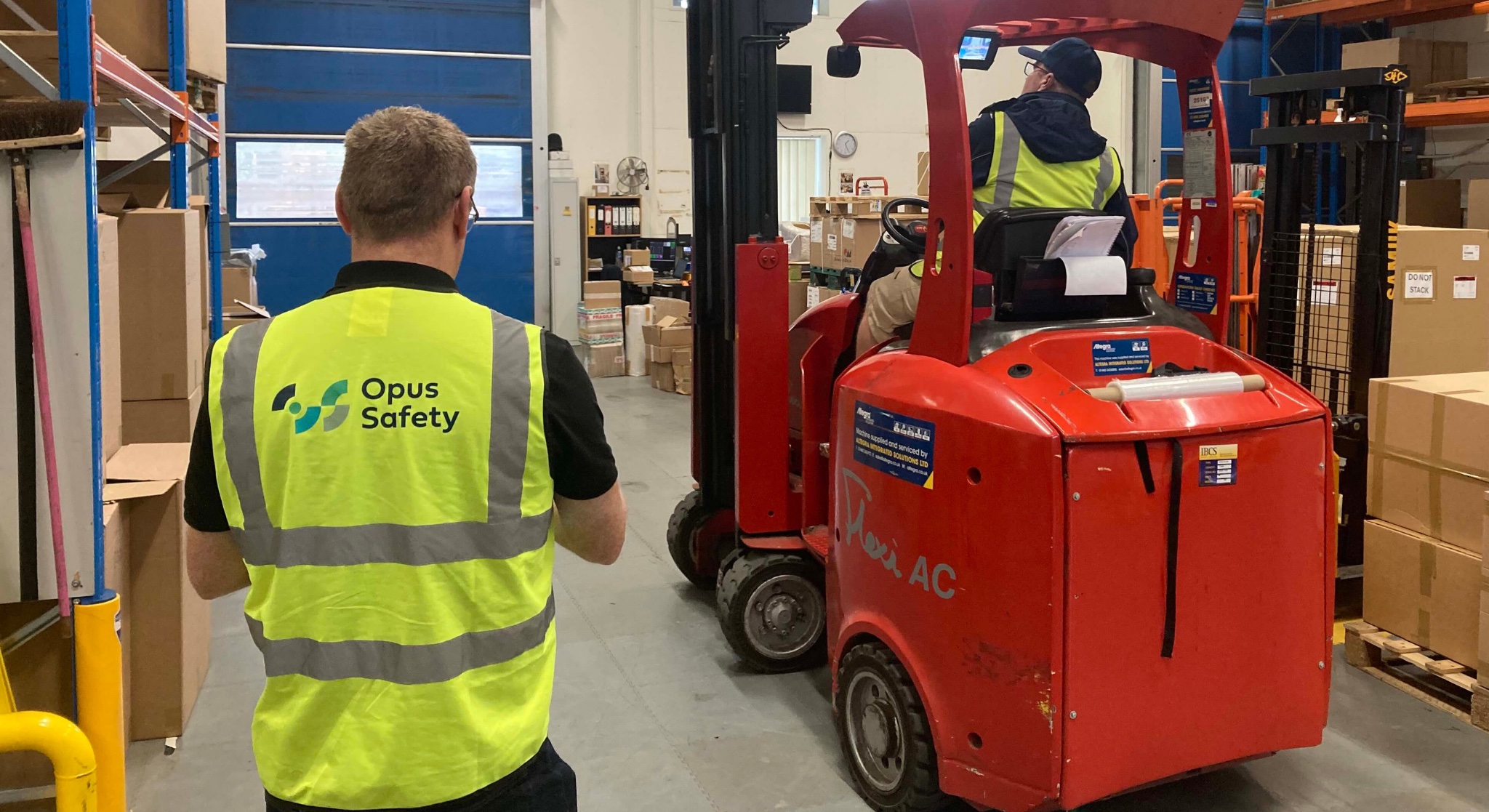
Compliance is a year-round commitment, but safety performance can slip during the summer months. Staff holidays drive up production pressures. High temperatures impact concentration and reaction times. Seasonal workers make it harder to maintain consistent standards.
Summer is the ideal time to firm up your safety focus and ensure your annual compliance goals remain on track. Conducting a comprehensive mid-year check helps you target immediate issues, review your longer-term safety strategy, and make a coordinated push to protect your business.
Whatever you’ve achieved so far this year, a mid-year check confirms your controls are effectively reducing risk and preventing workplace accidents. Use the year’s halfway mark to reflect on your progress, identify any gaps in your compliance programme, and set your priorities for the second half of the year. Key review areas include:
- Roles and policies. Is our health and safety policy up to date? Are safety roles and responsibilities clearly defined across our business?
- Risk assessments. Have we identified all workplace hazards with a full set of current risk assessments? These might include fire, COSHH, work at height, manual handling, and workplace noise.
- Workplace inspections. Do we conduct regular checks to identify workplace hazards?
- Accident and near-miss recording. Have we recorded incidents since our last review? Are we able to track trends? Are we finding and fixing root causes?
- Training and competence. Have employees received necessary safety training for their roles? What about new hires, temporary staff, promotions, and job changes?
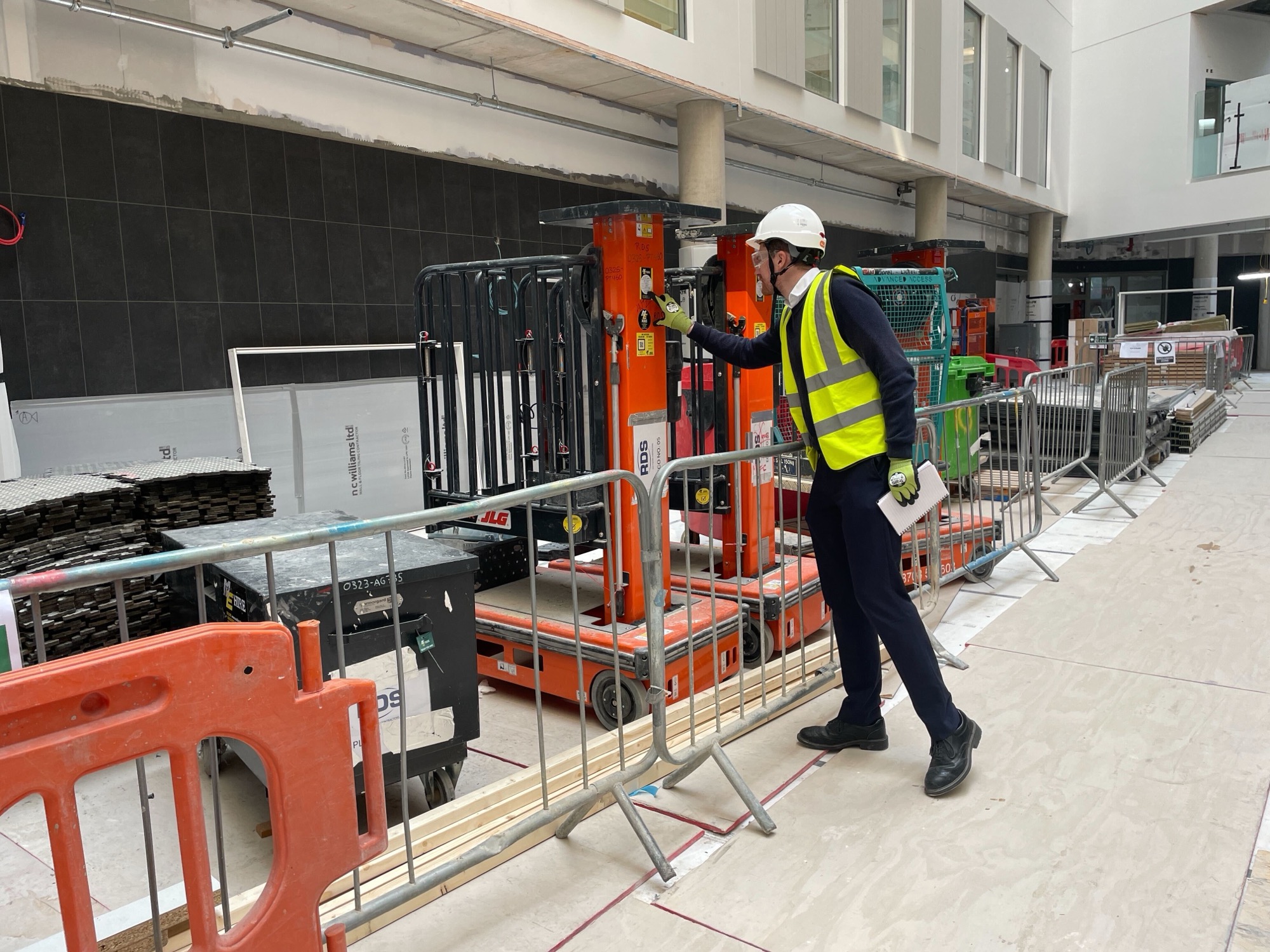
- Equipment and maintenance. Is work equipment being inspected, maintained, and used safely?
- Recent changes. Have we informed our consultant of any new equipment or processes we’re undertaking?
- Legal compliance. Are inspection documents and records current and accessible?
- Safety planning. What are the 3-5 most important actions to complete before the year ends?
Beyond the essentials, the mid-year mark is a chance to build on strong foundations – embedding a strong safety culture and boosting employee engagement. The focus points below help you do exactly that. Put them to work to achieve safety excellence through the summer and maintain momentum for the rest of the year.
Get ahead with planned preventative maintenance
If summer is a slower period for your business, use the relative downtime to align with a key regulatory focus area. The Health and Safety Executive (HSE) and local authority environmental health teams regard planned preventative maintenance (PPM) as a critical factor in avoiding workplace accidents – and heading off costly reactive repairs.
PPM involves a proactive schedule of checks for plant and equipment, covering everything from handheld power tools to workplace transport and manufacturing machinery. It should feature:
- A planned maintenance timetable based on manufacturer guidance and risk.
- Clear roles and responsibilities, outlining who conducts checks and reports defects.
- Routine inspections to identify faults, wear and tear, or damage before they become hazards.
- Prompt repair or replacement of faulty equipment.
- Clear maintenance records – ideally stored online – to demonstrate compliance and monitor recurring problems.
- Periodic audits to ensure your PPM programme remains effective.
If you don’t already have a regular routine for checking and maintaining equipment, now’s the time to put one in place, supported by a robust reporting process so staff can quickly act on faults and signs of wear and tear. Your consultant can advise on the safety side if it’s useful.
Ensure agency staff maintain standards
The summer holiday period can bring a steady influx of temporary staff – along with heightened risks of workplace incidents if your new recruits aren’t properly trained.
Under UK law, agency workers must receive the same standard of health and safety protection and information as permanent employees, which means collaborating closely with your recruitment consultant to identify and mitigate risks.
When you’re taking on temporary talent, your recruiter is likely to ask you to confirm:
- The worker’s responsibilities and any associated hazards
- The steps you’ve taken to eliminate or reduce those risks
- The necessary training, experience, and qualifications for the job
- Any health surveillance, PPE, or fitness requirements, if applicable
Before your recruit’s first day, provide a comprehensive site-specific induction and job-specific training to ensure they fully understand your workplace and their responsibilities. Your onboarding programme should cover your company’s safety policies and procedures while highlighting the risks your new recruits may encounter in their roles. This might include:
- Emergency procedures and evacuation routes
- Safe systems of work
- Hazard identification and site-specific risks
- Accident, incident, and near-miss reporting protocols
- Use, storage, and maintenance of personal protective equipment (PPE)
- Key safety and wellbeing contacts
Importantly, don’t assume that a single induction is enough. Touch base with temporary workers during their first few shifts to answer questions, reinforce safe working practices, and make sure they’re confidently following procedures.
If you’re uncertain, speak to your health and safety partner to ensure you’re taking all necessary steps when hiring, training, and working with temporary and agency staff. They can help you create a fit-for-purpose induction process, meet your legal duties, and actively protect every type of worker.
Boost safety comms and engagement
Clear, two-way communication is key to a positive safety culture. The mid-year mark is an ideal time to explore new ways to connect with your team, encourage feedback and engagement, and foster a safety-first mindset. It’s also the prime opportunity to take a ‘temperature check’ of your existing programme to inform improvements going forward.
Your health and safety consultant can support you in developing tailored, effective channels for in-person and online communication. They’ll help you explain the legal, financial, and moral drivers behind daily compliance tasks, reinforcing the link between health and safety, staff wellbeing, and business performance.
Options could be:
- Anonymous staff surveys
- Focus groups and staff feedback forums
- Toolbox talks
- Leadership briefings or town hall meetings
- Safety champions and mental health first aiders
- Regular intranet and newsletter content
- Posters, signage, and other safety visuals
- Targeted comms campaigns covering key risk areas
- Incentive and recognition schemes that celebrate safety best practices
Whatever your chosen suite of communication tools, ensure you share progress and provide the ‘why’ behind actions and outcomes. Showing that employee feedback results in meaningful change builds trust and powers ongoing engagement.
Keep your momentum going
Whatever the second half of the year brings, we’re here to help you keep standards high – through comprehensive risk assessments, tailored training solutions, and ongoing consultancy support.
If anything’s changed, or you’d like a second opinion on where to focus, we’re on the end of the phone. Call 0330 043 4015 or email hello@opus-safety.co.uk.

Last updated
July 10, 2026
Opus Safety
Health & safety insights
Guidance, updates and practical advice for your sector.


Do I need a competent person if I have no in-house H&S expert?
Yes. Every employer in Great Britain must appoint one under Regulation 7 of the Management of Health and Safety at Work Regulations 1999.
Who can act as a competent person for a small business?
Small businesses can appoint the owner, a trained employee or an external consultant. How to choose, and what the law requires.
Mental health in the workplace – maintaining momentum
To keep staff wellness top of mind following Mental Health Awareness Week, we offer practical tips to promote year-round employee self-care.

Why businesses choose
Opus Safety
We've worked across UK industry for years. The numbers show what our clients achieve when compliance becomes a strength, not a burden.


%201.svg)


