%201.svg)
%201.svg)

Around 5,000 people die each year from asbestos-related diseases, making it the number one cause of work-related deaths in the UK. Despite the widespread effects of asbestos exposure, it remains one of the least understood health and safety risks – and many businesses fall short on their legal duties.
Initiatives such as the Health and Safety Executive's 'Asbestos – Your Duty' campaign aim to fill the awareness gap. The 2024 campaign increased knowledge about asbestos risks and responsibilities, offering practical advice for building owners, landlords, and other key stakeholders. It also placed asbestos management firmly on the regulatory radar.
Following recent enforcement action, a major retailer was fined £565,000 for asbestos management failures and a well-known builders' merchant was ordered to pay £400,000 for failing to protect staff and visitors from asbestos risks. To avoid fines, prosecution, and possible jail time, duty holders must understand and act on asbestos hazards in their non-domestic buildings.
This week, we share step-by-step guidance on meeting your legal obligations, helping you determine whether an asbestos survey is needed for your workplace – and how to protect your people and the public from harmful exposure.
Two types of survey do different jobs, and knowing which you need is the starting point:
- A management survey locates asbestos during normal occupation of a building and checks its condition.
- A refurbishment and demolition survey is more thorough and is required before any intrusive work that could disturb asbestos.
We explain both in detail below.
What is asbestos – and what are the dangers?
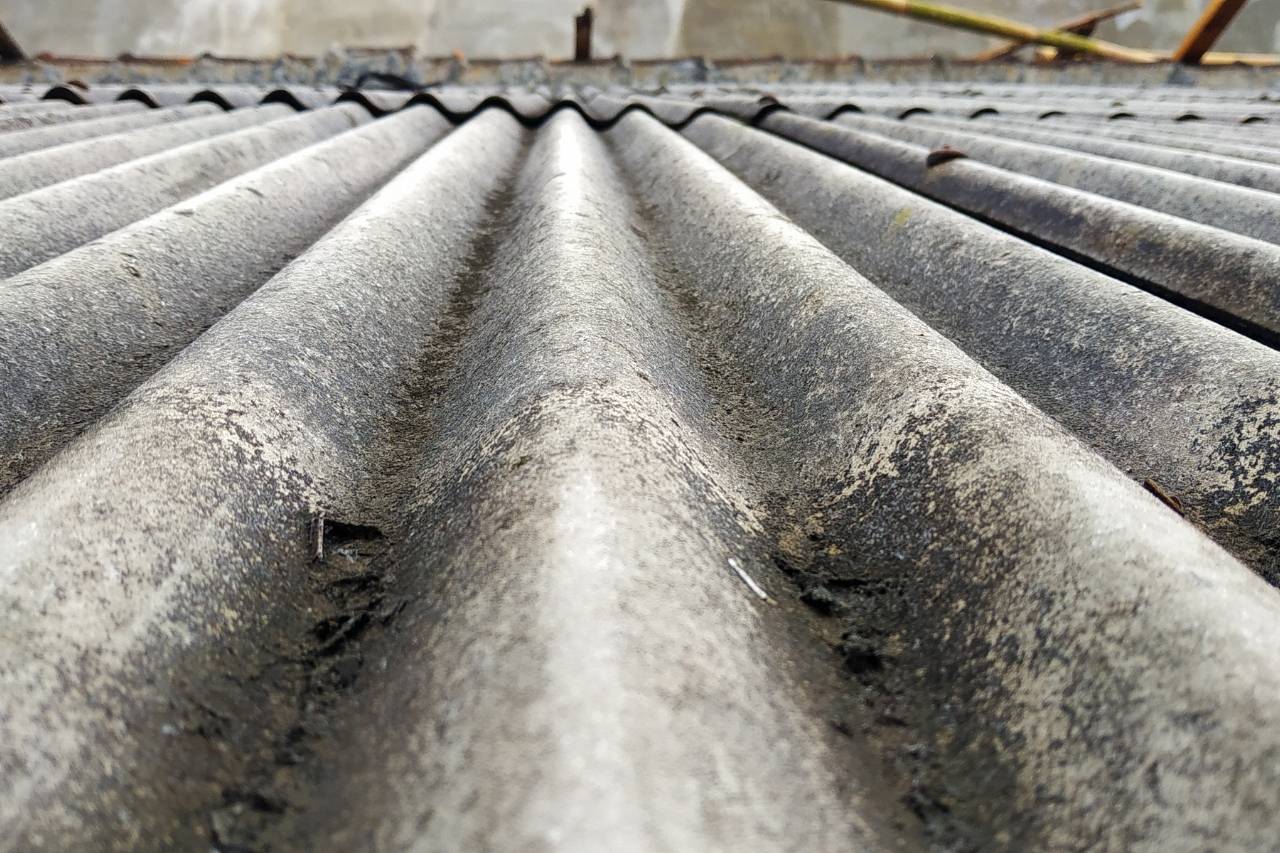
Asbestos is a naturally occurring mineral fibre found in rocks and soil. Highly durable and heat-resistant, it was used for decades in manufacturing, shipbuilding, and construction until its hazards were fully recognised. Despite being banned in 1999, an estimated six million tonnes of asbestos-containing materials (ACMs) remain within buildings, hospitals, schools, and homes across the UK. Common asbestos-containing building materials include insulation, roofing tiles, ceiling tiles, floor tiles, and textured ceilings.
While the HSE estimates that around 300,000 non-domestic premises in Great Britain may still contain asbestos, asbestos that is stable, intact, and correctly managed does not necessarily pose a health risk. Hazards arise when ACMs are damaged or disturbed – typically during construction or demolition work – releasing tiny, carcinogenic fibres into the air. When inhaled, these fibres can penetrate lung tissue, causing debilitating and fatal diseases that develop unnoticed over years.
Common asbestos-related conditions include:
- Asbestosis – An incurable respiratory disease triggered by long-term inhalation of asbestos fibres. The condition causes serious breathing problems and progressive scarring of the lung tissue. Workers in high-risk environments should undergo regular lung function testing, such as a spirometry assessment, to detect early changes in respiratory health.
- Mesothelioma – A rare type of cancer, most often linked to asbestos exposure, which affects the lining of the lungs and stomach.
- Pleural thickening – A condition in which the membrane surrounding the lungs becomes hardened and inflamed, causing shortness of breath and restricting healthy lung capacity.
- Lung cancer – Contact with asbestos significantly increases the odds of developing lung cancer, with heightened risks among smokers.
Your legal asbestos responsibilities
Under the Control of Asbestos Regulations 2012, duty holders are legally required to manage asbestos risks in their buildings and safeguard workers from asbestos exposure. This is often called the duty to manage asbestos. As an employer, you are the duty holder if you:
- Own the building,
- Are responsible for its maintenance and repair, or
- Have a clear responsibility to manage asbestos risks under your lease or contract.
The law covers all non-domestic premises, including industrial, commercial, and public buildings – from offices and shops to schools and hospitals. If your building was built before 2000, or if you don't know the date of the structure, you must presume it contains asbestos unless it's categorically proven otherwise.
Your key responsibilities in managing and monitoring asbestos include:
- Checking for the presence of asbestos. Conduct an asbestos management survey to gauge the location of ACMs, their condition, and how widespread they are.
- Creating an asbestos management plan. Finding asbestos is not enough to comply with regulations. You need to draft and regularly update an asbestos management plan, sometimes kept alongside an asbestos register, to ensure you effectively control contamination and protect those working on your site. Your plan should detail the ACMs' locations, types, conditions, and risk levels and document how risks will be managed through specific control measures, monitoring, and emergency procedures.
- Putting your plan into action. Assign clear roles and responsibilities, including oversight of day-to-day safety controls, regular reviews of your plan, and management of non-routine activities. These include supervising construction or refurbishment work that could disturb ACMs, requiring permits-to-work where needed, vetting contractors, and taking remedial action where procedures aren't followed.
- Communicating the risks. Your workers and site visitors need to know how to protect themselves. To prevent accidental disturbance of ACMs, thoroughly brief employees, contractors, maintenance staff, and emergency services personnel on the presence and location of asbestos before any work is carried out.
- Monitoring compliance. Your asbestos management plan should be reviewed at least every 12 months, with visual inspections where possible. Any changes to the condition of the asbestos or the likelihood of disturbance should be addressed through management controls.
- Partnering with qualified professionals. Always show contractors your asbestos survey and management plan if they're modifying the building's fabric. External workers should be trained in asbestos risks and be able to implement appropriate controls to prevent exposure. Equally, asbestos removal should be performed by appropriately licensed and competent specialists – licensed by the HSE where the work is licensable – in line with legal requirements and notification procedures.
If you're unfamiliar with how health and safety legislation works more broadly, our guide covers the key regulations UK employers need to know.
A proactive approach to asbestos safety
If your workplace was built before 2000, you should have an asbestos survey and management plan in place. This should involve following strict measures to ensure your employees' safety and working with contractors who recognise and mitigate asbestos hazards.
A front-footed approach and clearly communicated processes can minimise exposure risks and prevent long-term health issues. Critical actions include:
- Keeping ACMs intact. If you believe asbestos might be present on your site, avoid disturbing or damaging it.
- Reporting potential asbestos risks. Immediately highlight potential asbestos hazards to your employer or site manager, for example, if you notice asbestos material that has become damaged. Your duty holder should cease all work, isolate the area, and arrange a risk assessment by a competent person.
- Equipping teams with the right protection. Anyone working in the vicinity of asbestos – either suspected or confirmed – should wear appropriate personal protective equipment (PPE), including disposable coveralls, gloves, and respirators.
- Preventing secondary exposure. Avoid cross-contamination by correctly disposing of tools, equipment, and clothing that have come into contact with asbestos fibres. Do not brush or shake fibres, double-bag items according to asbestos regulations, and organise disposal through a licensed waste disposal contractor at an authorised facility.
- Safely starting building work. Whether you plan to drill into a wall or knock one down, carry out refurbishment and demolition surveys before beginning any intrusive building work. These assessments will identify ACMs hidden within the fabric of the property that may have been missed during a management survey and could lead to exposure if disturbed.
- Working with asbestos-aware contractors. Before building begins and workers are allowed on site, thoroughly check contractors' method statements to ensure they are asbestos awareness trained. After confirming contractors' credentials, ensure appropriate controls are put in place by operating a 'Permit to Work' system.
Reduce your asbestos risks with a trusted expert
By adopting best practice measures and busting the many myths of asbestos management, you can stay compliant and safeguard your staff's future health.
Opus Safety's competent health and safety consultants can work with you to advise on what you may need to do to assess the presence or condition of asbestos at your premises. This includes an appropriate asbestos survey and creating an asbestos management plan, which in turn will help you to effectively manage the risk of exposure.
To discuss your compliance needs with an experienced safety specialist, reach out on 0330 043 4015 or email hello@opus-safety.co.uk.
Frequently asked questions
Do I legally need an asbestos survey? If your non-domestic building was built before 2000, you must presume asbestos is present and assess the risk, which usually means commissioning an asbestos survey. A management survey is the starting point; a more thorough refurbishment and demolition survey is required before any intrusive work that could disturb asbestos.
Who is responsible for asbestos in a workplace? The duty holder. Under the Control of Asbestos Regulations 2012, that is whoever owns the building, is responsible for its maintenance and repair, or has clear responsibility for asbestos under a lease or contract.
How often should an asbestos management plan be reviewed? At least every 12 months, or sooner if anything changes – for example, if the condition of the asbestos or the likelihood of it being disturbed changes.
What type of asbestos survey do I need before refurbishment work? A refurbishment and demolition survey. It is more intrusive than a management survey and is designed to find ACMs hidden in the fabric of the building before any drilling, refurbishment, or demolition begins.
Can asbestos be left in place? Often, yes. Asbestos that is stable, intact, and well managed does not necessarily pose a health risk, so the safest course is usually to manage it in place and keep it recorded – not disturb it. The risk arises when ACMs are damaged or disturbed.

Last updated
June 1, 2026
Opus Safety
Health & safety insights
Guidance, updates and practical advice for your sector.



Duty to manage asbestos: who holds it, and what it requires
Whoever is responsible for maintaining or repairing non-domestic premises holds the duty to manage asbestos. What regulation 4 requires and when to survey.
COSHH assessment: what it is and how to do one properly
A COSHH assessment records the health risk from each hazardous substance you use, and the controls for it. What Regulation 6 requires, and the six steps.
The safest possible start – why your new hires need Day Zero training
Day Zero training strengthens new employees’ safety knowledge before they start. Learn how early onboarding could boost compliance across your sites.
The Hidden Dangers of Asbestos in the Workplace
Asbestos remains one of the most dangerous workplace hazards in the UK. Banned, but still in older buildings, and still putting workers at risk.
Recent prosecutions – school and contractor fined for asbestos exposure risks
A school and its maintenance contractor were fined thousands for disturbing asbestos during routine refurbishment work.

Why businesses choose
Opus Safety
We've worked across UK industry for years. The numbers show what our clients achieve when compliance becomes a strength, not a burden.


%201.svg)


