%201.svg)
%201.svg)

What is Asbestos?
Asbestos is a naturally occurring fibrous mineral known for its heat resistance, durability, and insulating properties. It was widely used in construction, shipbuilding, and manufacturing before its health risks were fully understood. Although its use is now restricted, asbestos-containing materials (ACMs) are still present in many older buildings.
Where is Asbestos Commonly Found?
Before the UK banned asbestos use in 1999, it was frequently incorporated into various building materials. Common locations include:
- Ceiling tiles and insulation – Often found in office buildings, schools, and industrial facilities.
- Pipework and boilers – Used for thermal insulation around pipes and boilers.
- Roofing and floor tiles – Frequently found in warehouses, garages, and older commercial properties.
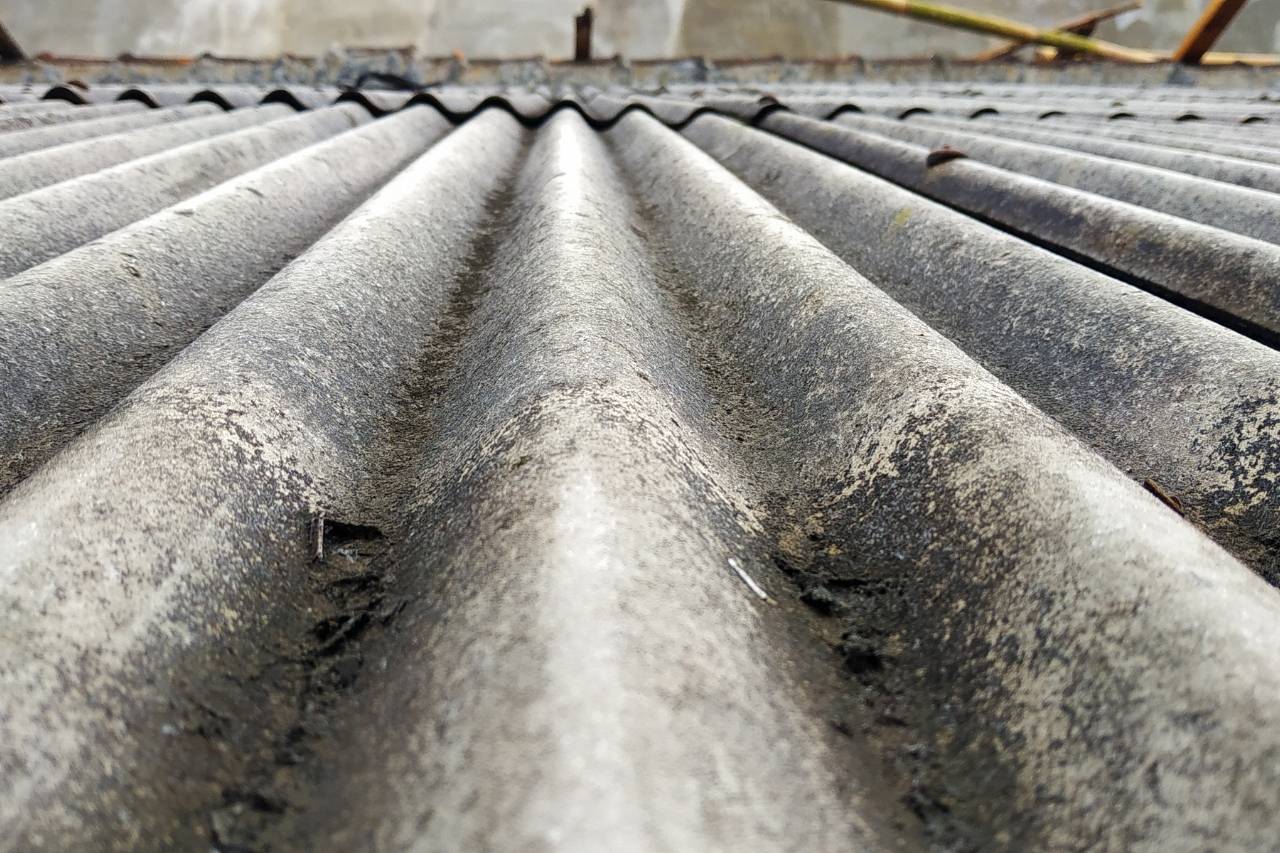
- Cement sheets and guttering – Used in industrial buildings and external structures.
- Textured coatings (e.g., Artex ceilings) – Popular in homes and offices before the ban.
Health Risks of Asbestos Exposure
Exposure to airborne asbestos fibers poses severe health risks. When inhaled, these microscopic fibers can embed themselves in lung tissue, leading to long-term health issues. Key asbestos-related diseases include:
- Mesothelioma – A rare but aggressive cancer that affects the lining of the lungs and abdomen. It is almost exclusively caused by asbestos exposure.
- Asbestosis – A chronic lung disease that results from prolonged exposure, leading to lung scarring and severe respiratory issues.
- Lung Cancer – Asbestos exposure significantly increases the risk of developing lung cancer, particularly in smokers.
- Pleural Thickening – The lining of the lungs becomes thick and swollen, leading to breathing difficulties.
Who is Most at Risk?
Certain professions are at a higher risk of asbestos exposure due to the nature of their work. These include:
- Construction workers
- Demolition crews
- Plumbers and electricians
- Roofers and insulation workers
- Shipyard workers
- Firefighters and emergency responders
Employer Responsibilities & Safety Measures
Employers have a duty to protect workers from asbestos exposure under the Control of Asbestos Regulations 2012. Key responsibilities include:
- Find out if asbestos is in your building – this will often involve carrying out an asbestos "management survey"
- Make a register and assess the risk - use the information about any asbestos that is found to keep a list of its location, type condition, etc. and assess the risk (e.g. damaged asbestos in a staff room will be higher risk that asbestos roofing panels that are in good condition)
- Implementing an asbestos management plan – state who will be responsible (and how often) for regularly monitoring and documenting asbestos risks in the workplace.
- Providing training for employees – ensure workers know how to identify and work with or near asbestos safely.
- Hiring licensed professionals for asbestos removal – most work with asbestos can only be carried out by licensed asbestos contractors (e.g most removal or encapsulation).
How to Stay Safe in the Workplace
- Do not disturb asbestos containing materials – If you suspect asbestos is present, avoid touching or damaging it.
- Wear appropriate personal protective equipment (PPE) – Disposable coveralls, gloves, and respirators should be used when working near asbestos.
- Follow proper decontamination procedures – Prevent asbestos fibres from spreading by safely disposing of contaminated clothing and equipment.
- Report potential asbestos hazards immediately – Notify your employer or site manager if you suspect asbestos is present.
Conclusion
Understanding asbestos risks and legal obligations can prevent exposure and save lives. Employers must take a proactive approach to workplace safety. If you suspect asbestos in your workplace, consult a professional for assessment and management. Awareness and compliance are key to protecting workers from this hidden danger.

Last updated
April 7, 2025
Opus Safety
Health & safety insights
Guidance, updates and practical advice for your sector.


Duty to manage asbestos: who holds it, and what it requires
Whoever is responsible for maintaining or repairing non-domestic premises holds the duty to manage asbestos. What regulation 4 requires and when to survey.
Do I need a competent person if I have no in-house H&S expert?
Yes. Every employer in Great Britain must appoint one under Regulation 7 of the Management of Health and Safety at Work Regulations 1999.
Do You Need an Asbestos Survey for Your Workplace?
Do you need an asbestos survey? Learn your legal duties, survey types and how to manage asbestos risks in your workplace safely.
Recent prosecutions – school and contractor fined for asbestos exposure risks
A school and its maintenance contractor were fined thousands for disturbing asbestos during routine refurbishment work.

Why businesses choose
Opus Safety
We've worked across UK industry for years. The numbers show what our clients achieve when compliance becomes a strength, not a burden.


%201.svg)


