%201.svg)
%201.svg)

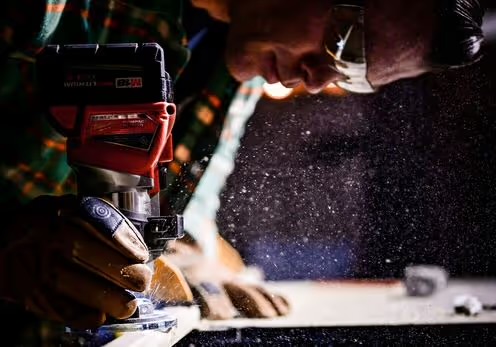
Wood dust is often created or generated by machines that eject fine particulate dust into the atmosphere when processing different types of wood materials. If not properly controlled, this dust can cause significant health problems to machine operators or anyone working in and around processing operations.
Types of Wood Dust
- Hardwood – such as oak, teak and mahogany
- Softwood – such as pine, fir and spruce
- MDF - Medium density fibreboard (MDF) produces finer dust when machined because it is engineered with several types of wood and bound in resin.
How does wood dust occur?
Wood dust is predominantly generated by mechanical means due to the nature and speed of the machining process. The following activities can create significant amounts of dust in the workplace:
- Cutting or sawing
- Sanding (which involves lots of dust generation)
- Routing
- Changing dust bags
- Dry sweeping
What health issues can wood dust cause?
Wood dust can cause a number of short and long-term ill health conditions. The most notable ill health effects that can be caused by wood dust are:
- Respiratory illnesses, such as occupational asthma
- Lung cancer
- Irritation to the respiratory tract
- Irritation to the eyes and nose
- Dermatitis and other skin complaints
What are your responsibilities as an employer?
The Control of Substances Hazardous to Health 2002 (COSHH) Regulations set out duties to protect people from exposure to hazardous substances - including wood dust - so far as reasonably practicable.
Employers must appropriately assess risks to employees and implement control measures proportionate to workplace practices. Workplace Exposure Limits (WELs) include: softwood at 5mg per m³ and hardwood dust at 3mg per m³. When wood dusts mix, the lower WEL of 3mg/m³ must not be exceeded.
Control Methods
- Install Local Exhaust Ventilation (LEV), viewed as the most effective control method for airborne particulate dusts
- Ensure dry sweeping is prohibited within mill or machining areas
- Provide HEPA filter or M Class vacuums for cleaning areas unreachable by LEV extensions
- Provide appropriate PPE, such as FFP3 masks and gloves, when changing dust bags
- Use Respiratory Protective Equipment (RPE) in addition to LEV when sanding
- Conduct face fit testing for FFP3 masks as part of risk assessment
- Consider occupational health lung function testing (Spirometry) or air monitoring if above controls are insufficient
Additional tips
- A high-powered dust lamp can identify particularly hazardous areas during certain processes, potentially eliminating the need for air monitoring
- Do not fill dust bags over two-thirds full to prevent spillage, excess dust generation, and ductwork blockage

Last updated
November 2, 2022
Opus Safety
Health & safety insights
Guidance, updates and practical advice for your sector.




Do I need a competent person if I have no in-house H&S expert?
Yes. Every employer in Great Britain must appoint one under Regulation 7 of the Management of Health and Safety at Work Regulations 1999.
Working at height: Critical training points to protect your team
Working at height is the UK’s number one workplace killer. Get a checklist of key training areas to prevent falls and improve working practices.
Worker safety – help your team beat the chill through winter
Cold weather working can affect your employees’ health, safety and productivity. Our targeted tips ensure you’re providing all the right protection.
Unlocking Team Potential: How to Engage Employees
Engaging employees is a very important part of a successful business. Having an engaged workforce can make a huge difference in productivity.
Summer safety essentials – protect your team from hot weather hazards
Summer sparks a boom in building work – which means hot shifts for your yard workers. Hours outdoors presents a series of health and safety hazards.
Dust exposure: How to protect your workers’ lung health
Inhaling sawdust, concrete dust, and other debris can lead to serious long-term health problems. Get expert guidance on proven safety controls.

Why businesses choose
Opus Safety
We've worked across UK industry for years. The numbers show what our clients achieve when compliance becomes a strength, not a burden.


%201.svg)


