%201.svg)
%201.svg)

Your workers will put in plenty of shifts before the warmer weather heads our way. It's part of your legal health and safety obligations to protect your people from the risks of cold temperatures. But with no specific HSE guidance for working conditions below 13°C, how do you know you're doing enough?
The Workplace (Health, Safety and Welfare) Regulations 1992 state: "During working hours, the temperature in all workplaces inside buildings shall be reasonable". In real terms, a 'reasonable' workplace temperature depends on job activities and environmental conditions. Generally, you're required to heat your workspaces to 16°C – or 13°C if the work involves rigorous physical effort.
Builders merchants feature a unique mix of indoor and outdoor working. It's essential to assess welfare risks in every part of your site and ensure control measures meet the needs of yard, sales and delivery staff.
Protecting your indoor workers
Even with the heating on in your retail space, temperatures can dip to uncomfortable levels for customers, cashiers and back-office employees. A few practical measures can maintain a warm working environment and prevent cold-related health and productivity issues.
- Supplement central heating with portable heaters where necessary. When using heaters, always check cables for wear, keep units uncovered and at least one metre from flammable materials and monitor fume levels within your workspaces.
- Install insulating floor coverings or offer purpose-made footwear for employees who stand for long hours in cold conditions.
- Keep draughts under control with excluders, sealants and automatic doors. When carrying out draught-proofing, be sure to maintain adequate ventilation and fresh air flow through each space.
- Provide suitable protective clothing for cold environments, such as thermal boots, jackets, gloves and coveralls. Consider whether these garments should also offer hi-vis or waterproof features.
- Build ample breaks into the workday to allow staff to warm up in heated areas. Make sure you provide clean, hygienic facilities to make hot food and drinks.
- Rethink processes to minimise exposure to cold areas and cold products. This might include introducing flexible working patterns or job rotation to limit staff time in low temperatures.
Reducing outdoor working risks
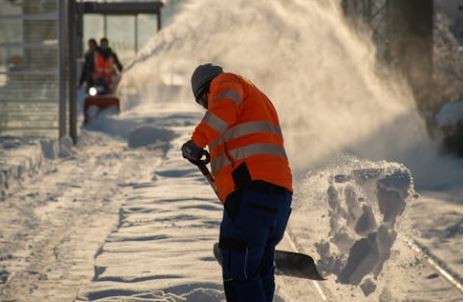
Working outside in low temperatures presents additional dangers for your team. You could be putting your employees' health at risk if hazards are not effectively managed. Cold weather can also impact workers' ability to operate tools and heavy machinery, increasing your odds of an onsite accident.
As well as implementing the practical safety measures already listed, you should assess and manage specific exposure hazards and step up protection where needed. This might mean more frequent breaks in a warm, sheltered area, a steady flow of hot drinks and specially designed personal protective equipment (PPE).
The HSE also recommends:
- Ensuring the personal protective equipment issued is appropriate
- Providing mobile facilities for warming up
- Offering soup and hot drinks
- Introducing more frequent rest breaks
- Implementing flexible hours or amended schedules to avoid low temperatures
- Delaying jobs until warmer times of the year (without compromising on safety)
- Making sure workers can recognise the early symptoms of cold stress, including a cough or body aches.
Create the right cold weather plan for your builders merchant
Talk to an Opus consultant for expert advice to keep your team working safely in any conditions. We're always on hand to answer questions, provide specialist guidance and prevent accidents, incidents and penalties.

Last updated
January 5, 2023
Opus Safety
Health & safety insights
Guidance, updates and practical advice for your sector.


Winter safety strategies: protecting your team in cold temperatures
Winter brings a unique set of safety challenges for your business. Our seasonal solutions help you stay compliant through the colder months.
Winter safety checklist: A practical guide for yards, warehouses, and outdoor workers
Cold weather compliance guidance for yards, warehouses and outdoor workers, from gritting strategies through to suitable PPE.
Cold weather compliance: Step up your safety plans through winter
Winter brings unique compliance challenges for your business. Reduce incident risks and boost employee work rates with our seasonal safety advice.

Why businesses choose
Opus Safety
We've worked across UK industry for years. The numbers show what our clients achieve when compliance becomes a strength, not a burden.


%201.svg)


