%201.svg)
%201.svg)

Working at height continues to be the number one cause of workplace fatalities in the UK. Recent Health and Safety Executive (HSE) statistics show 40 people lost their lives as a result of falls from height between April 2022 and March 2023 – 11 more than the previous year.
Fall-from-height injury levels also show no signs of improvement. 5,000 people in Britain suffered a work-from-height-related injury last year, leading to 992,000 working days lost. The majority of these accidents involved low-level falls from two metres or under.
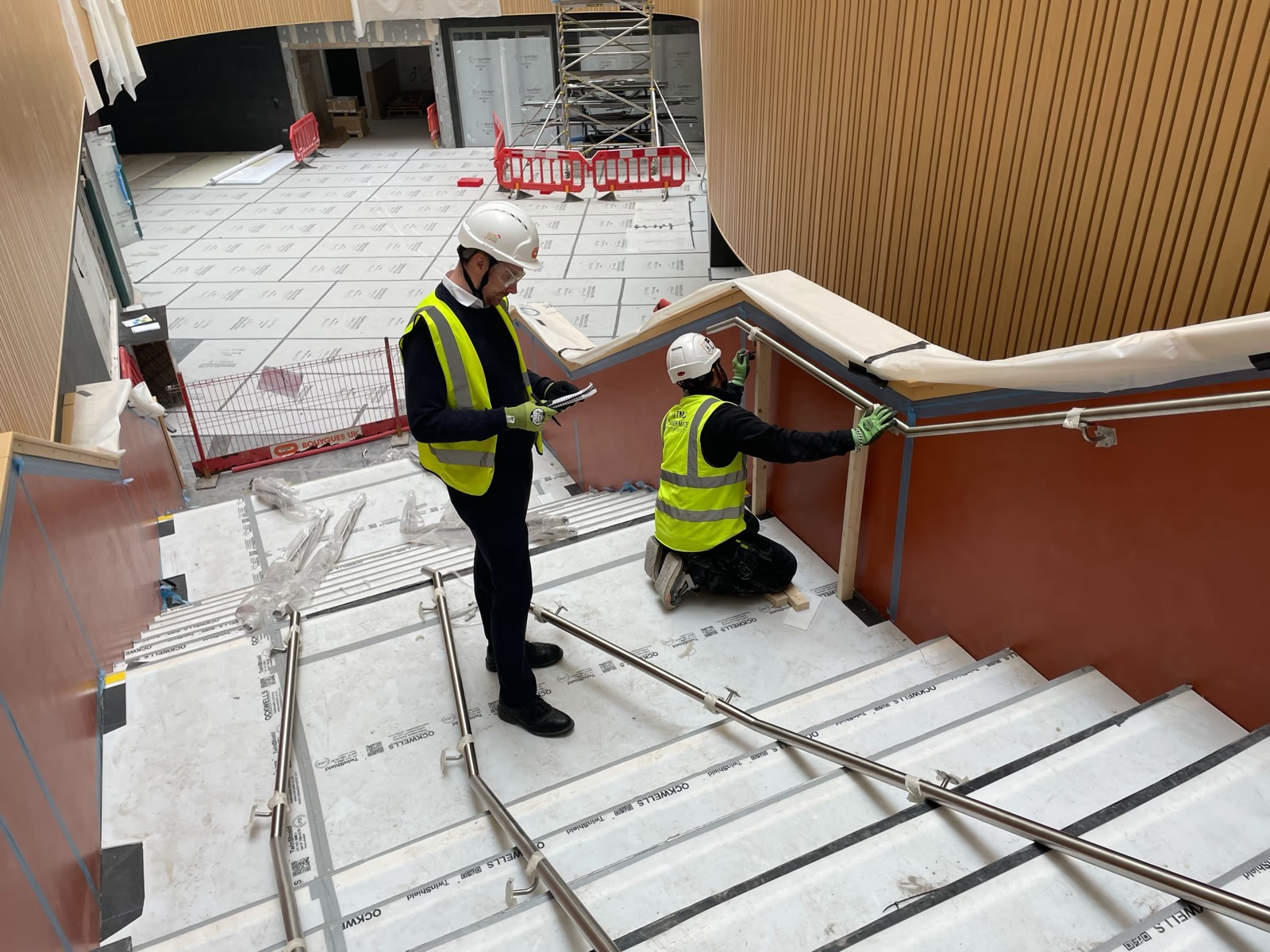
Whatever your business, training your staff to recognise, avoid, and act on work-at-height risks is a critical priority. This article shares crucial coaching points and guidance on developing a results-based training programme for your team.
- Clear training goals – Your training programme should help staff understand the specific hazards linked to working at height.
- Safe working practices – Teach your team to avoid working at height altogether, finding safer alternatives that complete tasks from the ground.
- Correct equipment use – Your training programme should cover types of fall protection equipment – including harnesses, lanyards, and guardrails.
- Ladder safety (and alternative options) – Offer targeted training on ladder safety and introduce safer alternatives like access platforms, scissor lifts, and mobile steps.
- Secure movement at height – Ensure workers know how to safely access and exit the place where they're working at height and take extra precautions on fragile surfaces.
- Effective communication – Outline key communication and coordination techniques for work at height, including clear roles and responsibilities, pre-task briefings, and signalling methods.
- Emergency procedures – Your team should know the vital steps to take in the event of a fall, including minimising further risks and accessing rescue equipment.
- Inspection, maintenance, and reporting – Train workers to conduct regular equipment and site checks, follow strict maintenance routines, and report issues including near misses.

Last updated
February 6, 2024
Opus Safety
Health & safety insights
Guidance, updates and practical advice for your sector.




Work at Height Regulations 2005: what the law requires
The Work at Height Regulations 2005 apply in Great Britain at any height. The regulation 6 hierarchy, ladders, inspection intervals and who has duties.
Health and safety training: When to refresh staff skills and knowledge
Find out when to refresh your team's health and safety training, from onboarding to recertification and role changes.
Working with contractors: Selection, safeguarding, and management
Bringing on external expertise requires a different level of safety management. Maximise productivity while reducing contractor-related risks.
Wood dust safety in your workplace - expert tips to protect your team
Wood dust is generated by machines that eject fine particulate dust into the atmosphere. Learn how to protect your staff from long-term health risks.
Summer safety essentials – protect your team from hot weather hazards
Summer sparks a boom in building work – which means hot shifts for your yard workers. Hours outdoors presents a series of health and safety hazards.
Smart training solutions to offset NIC and NMW increases
Rising business costs shouldn’t result in safety breaches. Ensure your team stays compliant with budget-conscious training tips.

Why businesses choose
Opus Safety
We've worked across UK industry for years. The numbers show what our clients achieve when compliance becomes a strength, not a burden.


%201.svg)


