%201.svg)
%201.svg)
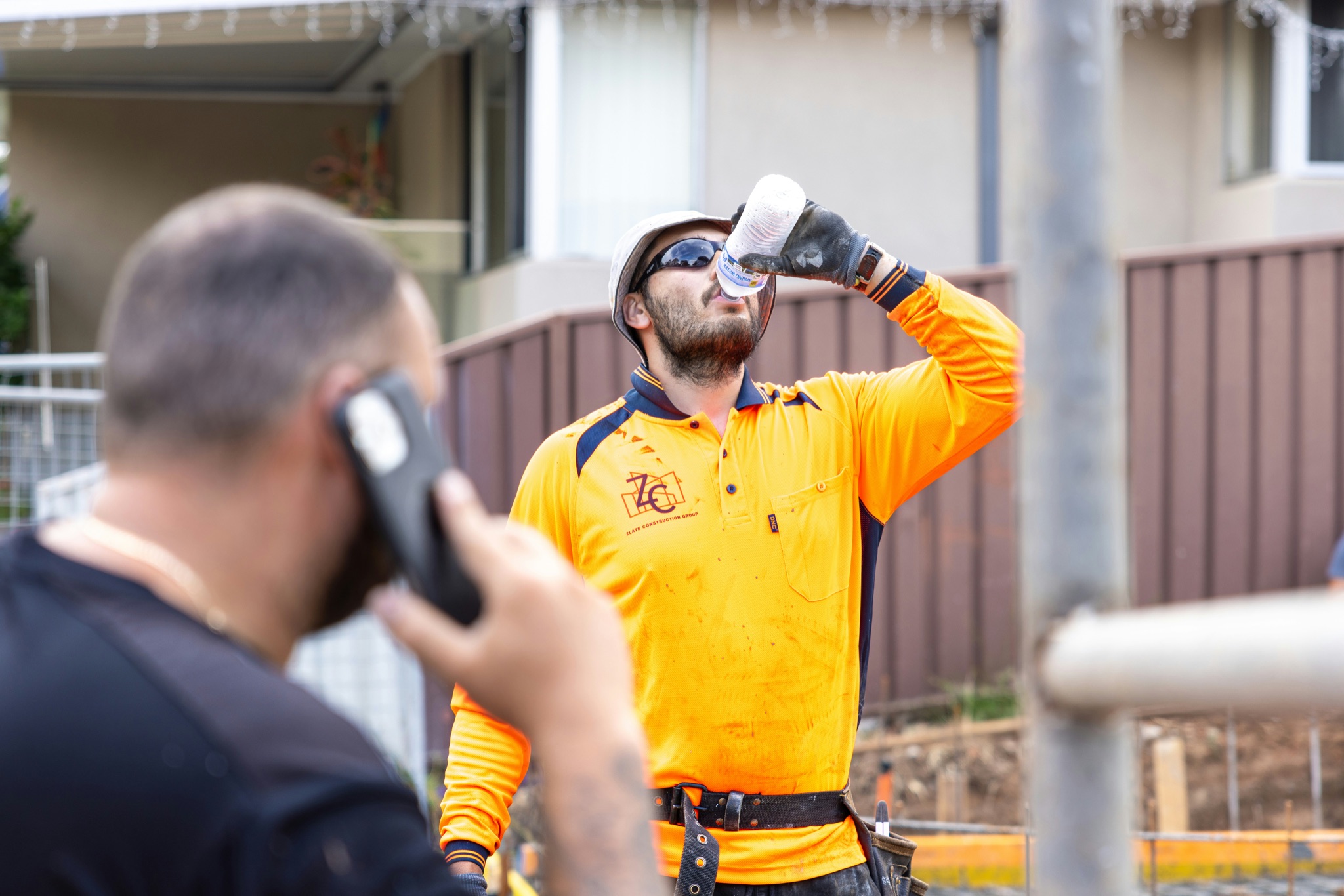
Your compliance priorities change with every season. As we head into the height of summer, it’s essential to rethink your working practices to suit hot-weather working.
Older employees and those with pre-existing medical conditions are most vulnerable during the warmer months, but individuals spending long hours in sun-exposed, high-temperature environments – such as yard staff and truck drivers – are also at risk.
While health and safety law doesn’t stipulate a maximum working temperature, it does require employers to take reasonable precautions to keep teams safe and comfortable on the job. This includes maintaining acceptable heat levels in the workplace, particularly if your team is engaged in labour-intensive activities such as manual handling, machine operation, or food preparation.
When temperatures rise, it’s advisable to review your risk assessments, run toolbox talks covering heatwave hazards, and consider longer-term cooling solutions – from installing air conditioning to providing sheltered outside workspaces.
No matter what the UK weather throws at your business, we’re on hand to keep your people safe and productive. We’ve outlined critical questions and simple solutions to protect your team and keep them working safely through summer.
Can you spot the signs of heat-related illnesses?
Sun exposure and working in hot environments heighten the risk of heat stress. While ‘heat stress’ is the umbrella term for the body’s overall response to higher temperatures, it can lead to serious, recognised conditions such as heat exhaustion and, in severe cases, heatstroke.
According to the Health and Safety Executive, heat stress happens ‘when the body’s way of controlling its internal temperature starts to fail’. It’s important in the workplace because it’s caused by day-to-day factors, including air temperature, direct sunlight, work rate, humidity, and the use of insulated protective clothing.
Employees in hot environments such as foundries and catering kitchens can be affected by heat stress year-round, but the risks ramp up significantly for all staff in summer.
Heat stress
People respond to heat stress in different ways, but typical symptoms include:
- Inability to concentrate
- Muscle cramps
- Heat rash
- Severe thirst, a late symptom of heat stress
- Fainting
- Heat exhaustion
- Heatstroke
Without suitable controls, heat stress can develop into heat exhaustion and, ultimately, heatstroke, a potentially life-threatening condition. To help prevent heat stress at source, review risk assessments during hot weather, and aim to implement tools, rotas, and adapted working practices to protect workers from heat exposure. These measures might include:
- Onsite water and shade facilities
- Rotating physically demanding work
- Increasing team numbers to complete tasks more quickly
- Providing mechanical work aids to reduce manual labour
Heat exhaustion
Heat exhaustion serves as your body’s early warning system. Caused by loss of salt and water from the body, it can develop into heatstroke if not promptly spotted and managed. Common symptoms include:
- Tiredness
- Dizziness
- Headache
- Nausea and vomiting
- Excessive sweating
- Pale, clammy skin
- Cramps in the arms, legs, and stomach
- High temperature
- Excessive thirst
- Irritability
If a worker is showing signs of heat exhaustion, move them to a cool place, give them water to rehydrate, and ensure they rest.
Heatstroke
Heatstroke is a potentially fatal condition that occurs when the body can no longer control its temperature. It can develop rapidly, especially if the symptoms of heat exhaustion are unrecognised or ignored. It should be treated as an emergency that requires immediate medical attention.
Symptoms include:
- A very high temperature, typically over 40°C
- Hot skin without sweating
- Fast breathing and a fast heartbeat
- Confusion and restlessness
- Seizures
- Loss of consciousness
If you think someone has heatstroke, the British Red Cross advises:
- Move them to a cool place.
- Remove as much outer clothing as possible.
- Call 999 and ask for emergency help.
- Loosely wrap them in a cold, wet sheet and cool them by continually pouring cold water over it.
- Keep cooling them while you wait for help, until their temperature falls to 38°C.
- Once their temperature is back to normal and they no longer feel hot to touch, you can stop cooling them – but stay with them and make sure they don’t get worse.
Have you reviewed risk assessments for summer working?
If there’s a risk of heat stress in your workplace, you need to identify the dangers and reduce or remove the sources of heat, where possible.
Revisit your risk assessments during hot weather to ensure they reflect the increased risk of heat stress. Consider whether additional controls are needed, such as providing drinking water, increasing rest breaks, adjusting working hours, improving ventilation or shade, and identifying workers who may be particularly vulnerable to heat.
Similarly, dry weather often brings contractors onto your premises for construction or maintenance work. Make sure you’ve reviewed risk assessments and method statements for onsite contractors, and issue permits to work, where required.
Are your staff staying hydrated?
Water is fundamental to staying well in warmer weather. Provide an adequate supply of clean drinking water across your entire site and encourage workers to avoid the counteractive effects of tea, coffee, and fizzy drinks.
Ensure teams take frequent water breaks to top up their hydration levels, particularly when working outside or in intense conditions.
Do your workers have the correct personal protective equipment (PPE)?
Different weather conditions demand different types of PPE. To minimise the harmful effects of heat and UV rays, update your provision of safety equipment and clothing for colleagues working outside in summer. Your tick list should include sun hats, sunscreen, and eye protection.
Also note that layers of standard PPE can contribute to heat stress by inhibiting the body’s ability to evaporate sweat. Avoid illness and injury by monitoring employees’ temperatures and providing regular relief from hot conditions. As team members may need to change PPE more frequently in the summer months, you may also need to adjust stocks accordingly.
Is your team trained in safe working methods?
Educate employees on hot weather dangers and safe working methods during summer’s more intense conditions:
- Ultraviolet (UV) radiation from the sun is a major cause of skin cancer
- In the UK, more than 170,000 people are diagnosed with skin cancer each year
- In strong summer sun, unprotected skin can start to burn in as little as 10 to 15 minutes, depending on the UV index and your skin type
- Wear a hat or cap where possible
- Take breaks in the shade
- Where possible, seek shade while working
- Stay hydrated – the NHS recommends 6 to 8 glasses of fluid a day (around 1.5 litres), and you’ll need more in hot weather or when physically active
- If working outside, generously and frequently apply sunscreen to exposed parts of the body. Use a broad-spectrum sunscreen with a minimum of SPF 30 and at least a 4-star UVA rating. Check the sunscreen packaging for guidance on how often to reapply
Are your drivers following summer safety precautions?
Driving in hot weather can be draining, making it easy to lose concentration, particularly on long-haul journeys. If you employ driving staff, remind them to break their journeys and stay hydrated with a steady supply of water.
At the same time, bright sunshine can obscure lift truck drivers’ vision, increasing the odds of collisions with pedestrians or other vehicles. Kit out operatives with sunglasses that are tinted, polarised, or anti-reflective. A clean windscreen also decreases glare, so ensure trucks are kept clear of grime, build-up, and smears.
Need custom support for year-round compliance?
Opus helps you tackle changing compliance challenges with a range of cost-effective health and safety solutions. Talk to us about standalone risk assessments, training options, occupational health support, HR services, and ongoing consultancy to raise standards across your entire operation.
We’re here to help on 0330 043 4015 or by email at hello@opus-safety.co.uk.

Last updated
July 10, 2026
Opus Safety
Health & safety insights
Guidance, updates and practical advice for your sector.



Summer safety essentials – protect your team from hot weather hazards
Summer sparks a boom in building work – which means hot shifts for your yard workers. Hours outdoors presents a series of health and safety hazards.
RIDDOR: Simple answers to your top six questions
Reporting under RIDDOR can be complex and confusing. We unpack common pitfalls and share a free white paper explaining when to report – and when not to.
Cold weather compliance: Step up your safety plans through winter
Winter brings unique compliance challenges for your business. Reduce incident risks and boost employee work rates with our seasonal safety advice.

Why businesses choose
Opus Safety
We've worked across UK industry for years. The numbers show what our clients achieve when compliance becomes a strength, not a burden.


%201.svg)


