%201.svg)
%201.svg)
Protecting lung health. Ensuring compliance
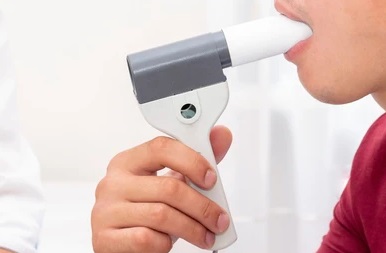
Spirometry testing involves measuring an individual's lung capacity and air flow, which are both crucial indicators for lung function levels. A programme of regular checks – usually on an annual basis – helps maintain a safe and efficient workplace, delivering actionable information about workers' health and the effectiveness of personal protective equipment (PPE).
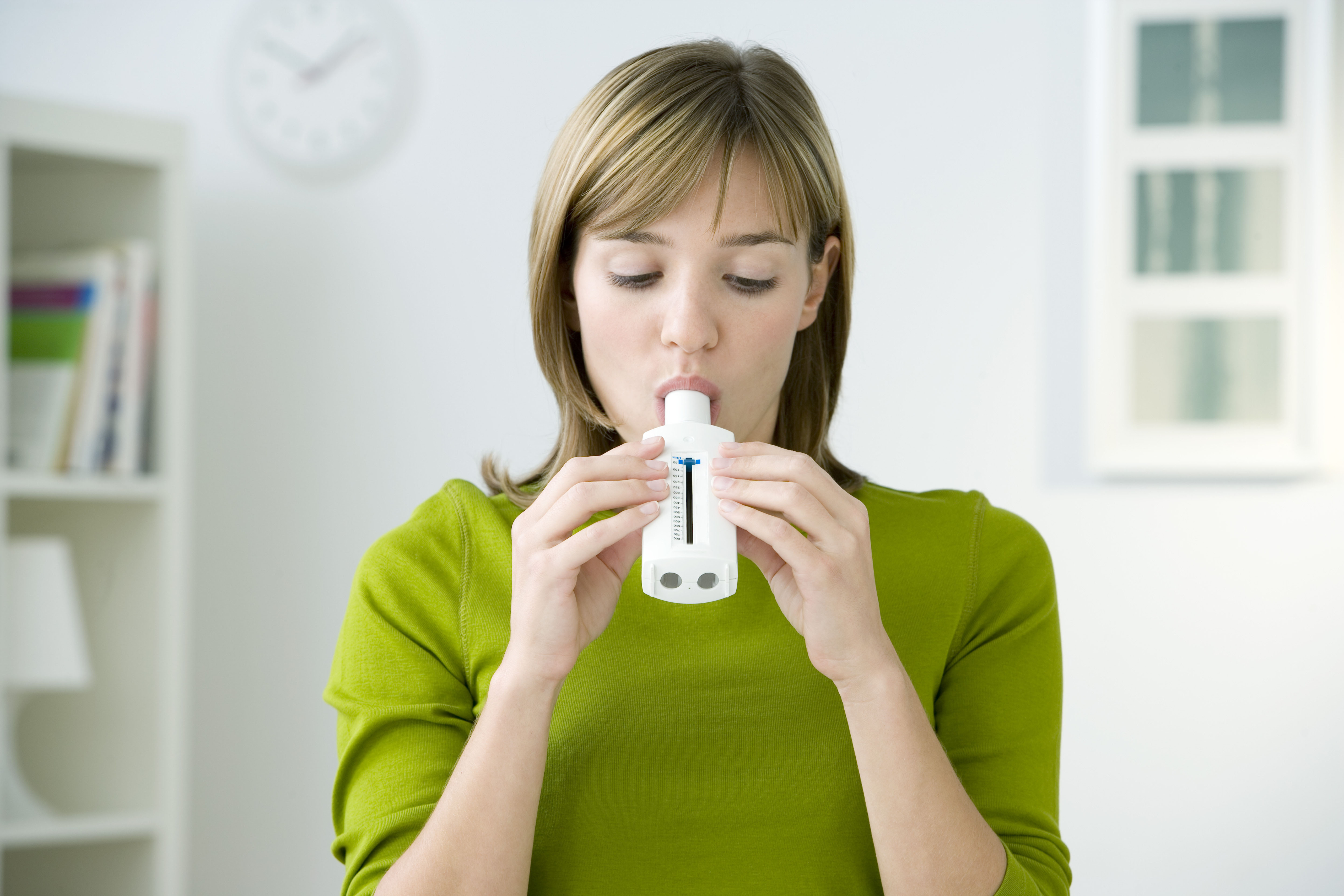
The process typically involves a qualified clinician visiting your workplace to conduct simple, non-invasive onsite screening. Tests are speedy and user-friendly, with workers simply exhaling quickly and forcefully into a spirometer as it records measurements including forced vital capacity (FVC) and forced expiratory volume in one second (FEV1). Following the test, employers receive a report detailing potential risk factors and trends, along with expert recommendations from an occupational health specialist.
Regular screening builds a reliable picture of lung health across your workforce, highlighting irregularities and the early signs of serious respiratory conditions. Spirometry testing can help to:
- Monitor workers' lung health, identifying employees at risk of exposure-related illnesses.
- Refine work processes, improve PPE provision, and implement targeted control measures to minimise exposure and enhance staff wellbeing.
- Collect baseline data to track changes over time, pinpoint declining lung function, and enable early intervention.
- Ensure continuous COSHH compliance, showcasing a strong commitment to workforce health and safety.
Spirometry also empowers workers to safeguard their wellbeing, providing individual insights into lung function and overall respiratory capacity. Staff gain a better understanding of personal health risks, helping them take proactive steps to protect themselves, collaborate with employers to create a safety-focused culture, and follow medical advice to ensure a healthy and sustainable work life.
At the same time, spirometry testing facilitates full legal compliance, as many health and safety laws require regular respiratory assessments. Conducting these tests in line with regulatory guidelines ensures transparency, reduces absenteeism, and reinforces your company's commitment to employee health and wellbeing.

Last updated
March 12, 2025
Opus Safety
Health & safety insights
Guidance, updates and practical advice for your sector.


COSHH assessment: what it is and how to do one properly
A COSHH assessment records the health risk from each hazardous substance you use, and the controls for it. What Regulation 6 requires, and the six steps.
Transforming Workplace Health with Spirometry Testing
Protect employee lung health with annual spirometry testing. Detect early signs of respiratory issues and ensure workplace safety.
Occupational health: Boosting employee performance through proactive care
This Occupational Health Awareness Week, learn how simple preventative measures can maximise productivity, reduce absence, and raise safety standards.
Dust exposure: How to protect your workers’ lung health
Inhaling sawdust, concrete dust, and other debris can lead to serious long-term health problems. Get expert guidance on proven safety controls.

Why businesses choose
Opus Safety
We've worked across UK industry for years. The numbers show what our clients achieve when compliance becomes a strength, not a burden.


%201.svg)


