%201.svg)
%201.svg)

Summer sparks a boom in building work – which means hot shifts for your yard workers. Spending hours outdoors presents a series of health and safety hazards – including heat stress, dehydration and sunburn – and ramps up your team's risk of skin cancer.
With at least 100,000 new cases of skin cancer diagnosed in the UK each year, prevention should be a key part of your H&S programme. We've outlined practical ways to beat the heat and keep your crew working safely through summer.
Wear sun-safe clothing and PPE
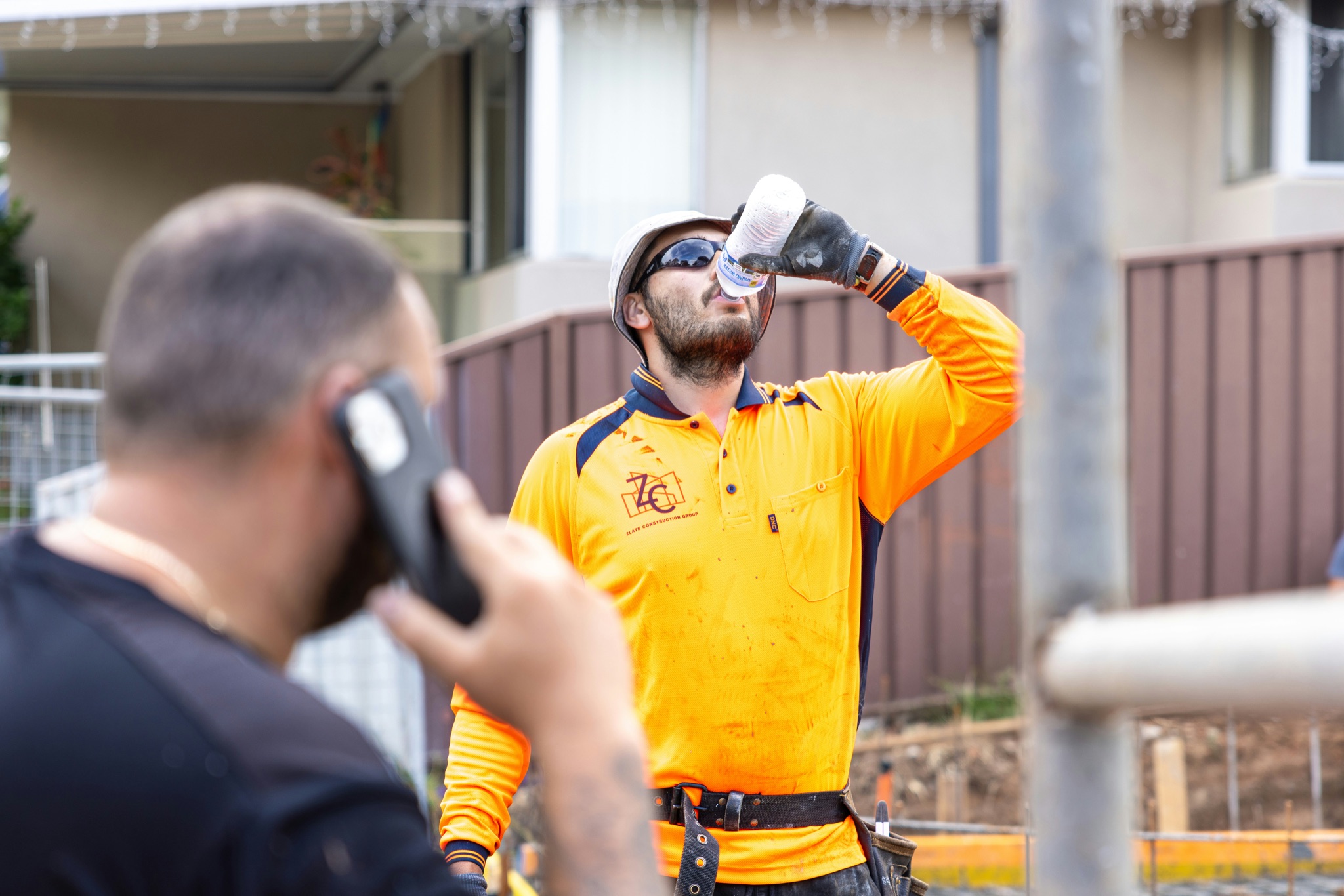
Lightweight, high visibility tops are the ideal choice for yard workers during the hotter months. Sun hats and shaded eye protection are also essential seasonal kit. Multiple layers of PPE can cause overheating, so keep a close eye on workers' body temperature and provide frequent breaks in cool, shaded areas.
Supply sunscreen – and apply it regularly
Your team are far more likely to use sunscreen if it's provided onsite. For best results, invest in a high factor, water-resistant sunblock of at least SPF15. Encourage reapplication every two hours on all sections of exposed skin, including the neck, ears, hands and face. If staff are working up a sweat, they may need to top up more frequently. Always check the packaging for specific directions.
Reduce glare for lift truck drivers
Bright sunshine can obscure lift truck drivers' vision, increasing the odds of collisions with pedestrians or other vehicles. Kit out operatives with sunglasses that are tinted, polarised or have an anti-reflective coating. A clean windscreen also decreases glare, so ensure trucks are kept clear of grime, build-up and smears.
Help staff stay cool and hydrated
Water is one of your best defences against heat-related health issues. Make clean drinking water available to all staff and urge workers to keep step with their recommended intake – an 8-ounce glass every 15–20 minutes.
Create areas of shade across your site and encourage employees to take breaks and lunch periods out of the sun. Also consider modifying working practices to minimise time spent in the heat. Solutions might include increasing team sizes to speed up jobs, using tools to cut down on manual labour and scheduling tasks during cooler parts of the day.
Educate workers about summer dangers
To ensure consistent safety in the sun, train your team well before the mercury begins to rise. Make sun protection tips a standard part of your safety training – tackling the myth that tanned skin is a sign of good health.
Teach staff to recognise common red flags, including heat stress symptoms (headaches, dizziness, vomiting, confusion, clammy skin, fainting, weakness and nausea) and the early skin cancer signs. Motivate employees to perform regular skin checks – looking out for unusual spots or moles that change size, shape or colour – and speak to their doctor promptly about any possible issues.

Last updated
May 26, 2022
Opus Safety
Health & safety insights
Guidance, updates and practical advice for your sector.


Hot weather health and safety: six essential questions
Six essential questions to keep your team safe in hot weather – heat stress, hydration, PPE, first aid and driving – with practical steps for summer working.
Working at height: Critical training points to protect your team
Working at height is the UK’s number one workplace killer. Get a checklist of key training areas to prevent falls and improve working practices.
Summer safety - review your transport risks
Summer brings new compliance concerns to your yard, including workplace transport issues you may not have considered.
Preventing slips and trips in the post-summer rush
Slips and trips are the top cause of accidents in builders merchants year on year. Manage the risks with a simple monitoring and maintenance plan.

Why businesses choose
Opus Safety
We've worked across UK industry for years. The numbers show what our clients achieve when compliance becomes a strength, not a burden.


%201.svg)


