%201.svg)
%201.svg)
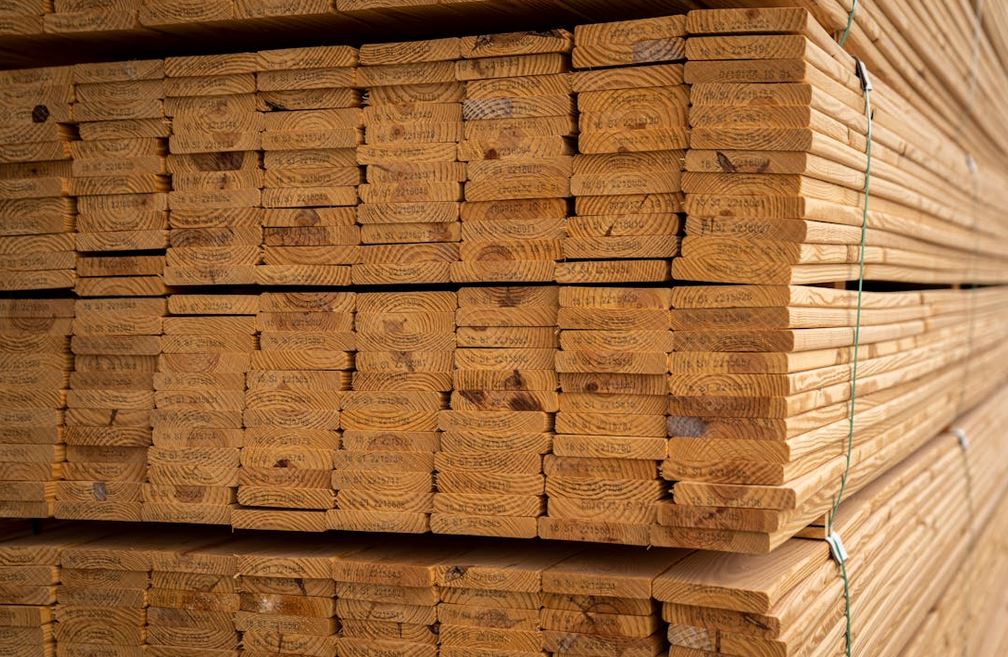
Implementing safer storage solutions
Health and Safety Executive (HSE) data from 2023/24 shows that "1 in 10 workplace injuries in the UK involved someone being struck by a moving object." Whatever the size of your branch, it's vital to safeguard employees with compliant moving, stacking, and storage methods.
- Plan your storage area in advance. Map out your storage framework across your retail and yard areas, marking out dedicated, purpose-built zones for stock and waste items. Stacking goods against gates and fences poses a double threat. Materials are more likely to be dislodged by wind, presenting increased fire and arson risks.
- Secure shelving and racking. Reduce the risk of collapse by ensuring units are correctly installed and regularly inspected. Poorly fixed or overloaded structures can fail without warning, posing serious danger to anyone nearby.
- Follow approved methods when stacking materials. Place heavier items on lower shelves and avoid overloading. This helps maintain balance, reduces strain during handling, and minimises the chance of toppling.
- Reinforce items at height. Use load restraints – such as netting, straps, or edge protectors – for products stored at height. Securing these materials prevents them from slipping or falling, especially in busy yards or during inclement weather.
- Protect staff with the right equipment. Equip your team with suitable personal protective equipment (PPE), such as reinforced safety boots and hard hats. PPE provides vital protection against falling objects, sharp edges, and heavy materials.
- Educate your team. Train employees on proper lifting, stacking, and securing methods. Regular training reduces injury risk and ensures everyone understands safe handling procedures.
- Establish separate storage zones. Clearly mark storage areas and restrict access during loading or unloading. This prevents unauthorised entry into hazardous spaces and supports controlled, safer operations.
- Keep pallets below perimeter fencing. This practice increases toppling risks, leaving you open to incidents both inside and outside your yard. Instead, store pallets in low, solid stacks and regularly check them for instability and deterioration.
- Follow work-at-height best practice. Always take work-at-height requirements into account when securing stock. Bring goods down to ground level when strapping and banding materials and employ appropriate lifting devices or machinery to set items back into position.
Preventing manual handling and musculoskeletal injuries
Manual handling involves any activity of lifting, lowering, pushing, pulling, carrying, holding, or moving an object that requires physical labour, so it's part and parcel of shifting stored stock. The HSE links it to "17% of UK non-fatal workplace injuries in 2023/24" – but taking a three-step 'Avoid, Assess, Reduce' methodology can help you identify the best way to tackle any manual handling task.
Avoid – How can you eliminate or reduce the risk?
Poor storage practices often create unnecessary handling. Before physically moving any item, consider whether it needs to be moved at all – and whether workers could do it without manual effort. Start by asking:
- Does the item need to be relocated, or can it stay safely where it is?
- Could it be accessed or used without lifting or reaching?
- Can mechanical aids like forklifts, pallet trucks, or hoists be used instead of manual handling?
Assess – What risks are associated with the task?
If manual handling is unavoidable, identify potential safety hazards by conducting a comprehensive risk assessment. For example, does your poor shelf layout lead to awkward lifting or overreaching? Remember to consider the risks from all angles:
- Task: Is it clearly explained and demonstrated? Does it involve awkward lifting from high/low shelves or cramped spaces?
- Load: Is it bulky, unevenly shaped, sharp-edged, or likely to shift when moved?
- Environment: Are storage areas free from trip hazards, well-lit, and easily accessible with suitable flooring?
- Person: Does the handler have the strength, training, and physical ability to carry out the task safely?
- Organisation: Can tasks be broken up, shared, or planned to avoid peak periods and fatigue?
- Pace and frequency: Is this a one-off task or a repeated action that may cause strain or fatigue to build up over time?
- Duration: Could repeated stretching, twisting, or carrying increase the risk of musculoskeletal injury?
Your goal is to decrease accident and injury risks by using safe working practices and mechanical aids. These key questions will help create an informed plan for every job:
- Could you move the load with a trolley, sack truck, pallet mover, or forklift? If so, are your team trained and confident in using them?
- Could large or heavy items be stored in smaller, more manageable bundles?
- Can materials be kept at waist height to reduce bending or stretching?
- Are storage locations designed to minimise carrying distance and awkward turns?
- Is the floor surface even and slip-resistant and is the environment well-lit?
- Are workers using the correct PPE for the task, such as gloves, boots, and back support belts?
- Have staff been trained in safe lifting techniques, equipment use, and assessing risks as they work?
By storing materials correctly from the start – with accessibility, mechanical handling, and safety in mind – you can reduce the need for unnecessary physical strain later on.

Last updated
June 13, 2025
Opus Safety
Health & safety insights
Guidance, updates and practical advice for your sector.



Builders merchant hazards: nine risks, and what fixes each
The nine health and safety hazards in a builders merchant, from yard traffic and forklifts to wood dust, with the law behind each and what fixes it.
Smart training solutions to offset NIC and NMW increases
Rising business costs shouldn’t result in safety breaches. Ensure your team stays compliant with budget-conscious training tips.
Seasonal safety – quick compliance tips to avoid accidents this winter
Stay a step ahead of incidents heading into the holidays with expert tips to deal with your branch’s top three seasonal safety issues.
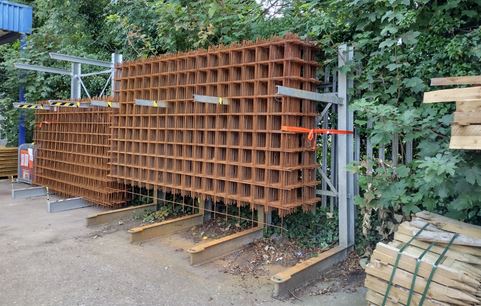
Reinforcement mesh: Safe storage and accident prevention
Are you storing, loading, and unloading reinforcement mesh correctly? Our top tips reduce injury risks and maximise selling space.

Why businesses choose
Opus Safety
We've worked across UK industry for years. The numbers show what our clients achieve when compliance becomes a strength, not a burden.


%201.svg)


