%201.svg)
%201.svg)

A London-based joinery firm was fined £20,000 for exposing employees to wood dust. An HSE inspector found the company had failed to control wood dust in multiple ways, including allowing excessive dust levels to settle around the site. A number of machines had been disconnected from the local exhaust ventilation (LEV) system – a critical safety measure that extracts wood dust at source.
The business had received two previous enforcement notices concerning wood dust control issues over the past ten years.
The HSE inspector said: 'This case sends out a clear message to the industry that HSE will prosecute when inspectors find serious health and safety failings, particularly when previous enforcement and advice has been provided. Exposure to wood dust causes various occupational lung diseases which can significantly affect the quality of people's lives, and in some cases result in premature death.'
How to control wood dust at your builders merchant
Under the Control of Substances Hazardous to Health 2002 (COSHH) Regulations, employers are obligated to protect workers from exposure to hazardous substances, including wood dust. Key controls include installing LEV, banning dry sweeping, using HEPA-filtered vacuums, providing appropriate PPE, and implementing health surveillance.

Last updated
May 12, 2023
Opus Safety
Health & safety insights
Guidance, updates and practical advice for your sector.


Wood dust exposure: Are your controls working hard enough?
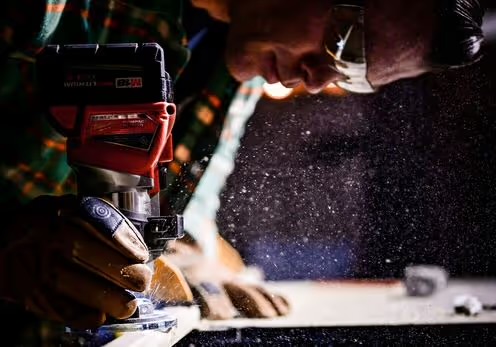
October is National Healthy Lung Month, so step up protection against harmful wood dust with safety solutions that go beyond local exhaust ventilation and PPE.
Dust exposure: How to protect your workers’ lung health
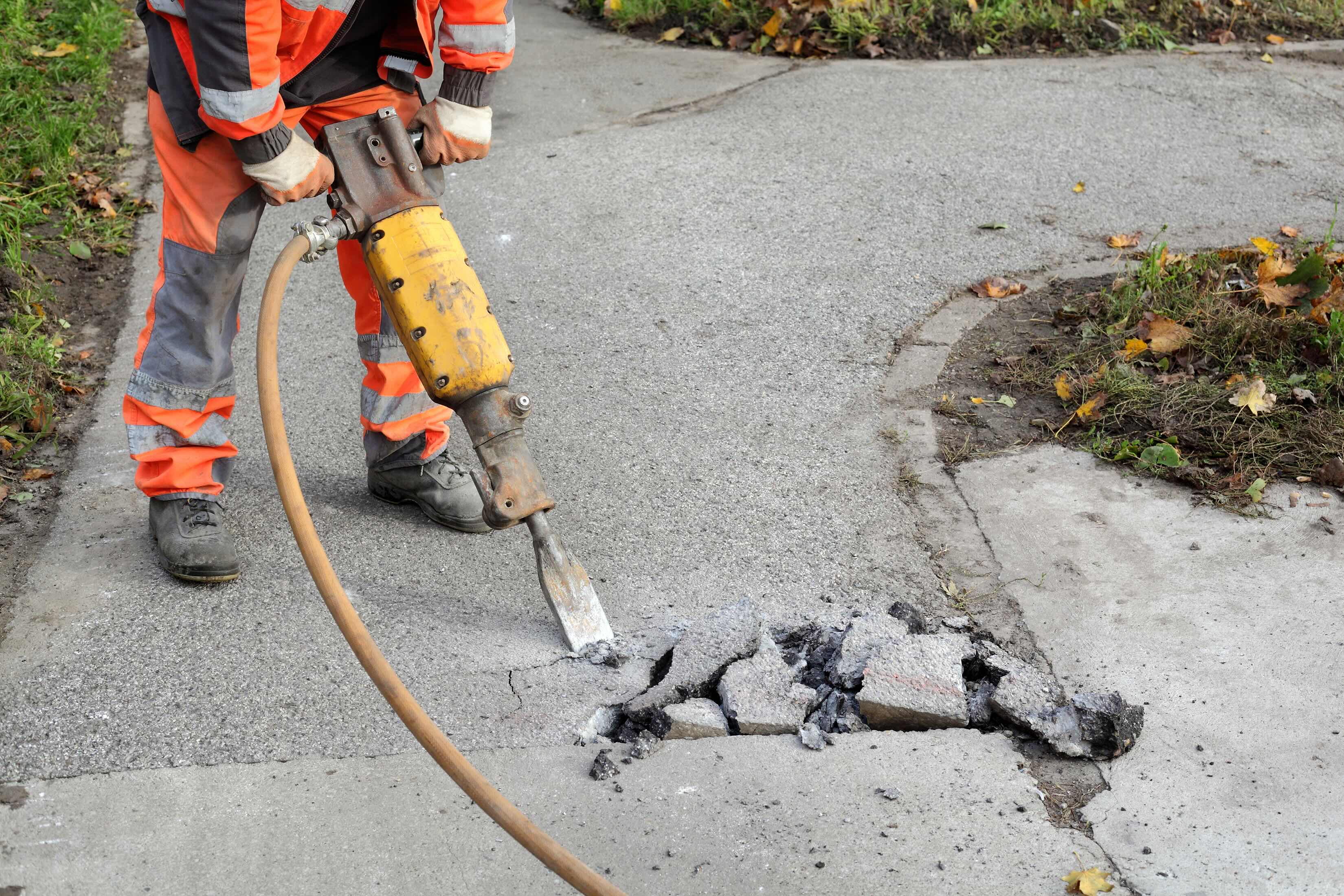
Inhaling sawdust, concrete dust, and other debris can lead to serious long-term health problems. Get expert guidance on proven safety controls.
CDM-compliant shop refurbishments – how to control your contractors
Prevent accidents, injuries and HSE fines with our quick guide to CDM Regulations and responsible contractor management.
Recent prosecutions: £100,000 prosecution after failing to protect workers from Hand-Arm Vibration Syndrome (HAVS)
The HSE prosecuted a West Midlands chemical manufacturer for failing to protect employees from Hand-Arm Vibration Syndrome (HAVS) risks.

Why businesses choose
Opus Safety
We've worked across UK industry for years. The numbers show what our clients achieve when compliance becomes a strength, not a burden.


%201.svg)


