%201.svg)
%201.svg)
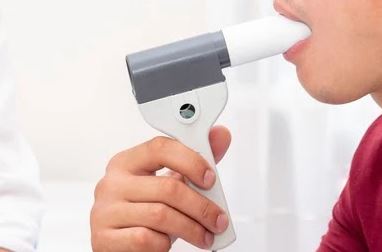
What is spirometry testing?
Spirometry is a simple test that measures lung capacity and airflow. It helps detect the early signs of respiratory issues and lung damage caused by exposure to hazardous substances. The process is speedy and non-invasive:
- A qualified clinician will visit your workplace to screen your workforce.
- During the test, individuals exhale quickly and forcefully into a spirometer, which records measurements including forced vital capacity (FVC) and forced expiratory volume in one second (FEV1).
- After the screening, employers receive a detailed follow-up report outlining potential hazards and trends, along with expert recommendations to safeguard staff.
- Annual testing is recommended – particularly for roles involving exposure to respiratory hazards – but you can customise your screening schedule according to risk levels and business requirements.
The benefits of spirometry – for now and the future
Introducing spirometry into your health and safety programme provides valuable insights into your employees' current health status. It also helps you implement targeted, effective measures to prevent longer-term medical issues, delivering a range of business benefits:
- Early detection of respiratory problems. By identifying irregular lung function early on, you can take action before health issues progress. This might include implementing protective measures like enhanced PPE, improved ventilation, or adjusted workflows and schedules.
- Regulatory compliance. In addition to showing a commitment to employee safety and wellbeing, a structured spirometry programme helps meet legal requirements for health surveillance under laws like COSHH (Control of Substances Hazardous to Health).
- Productivity boosts. Spirometry cultivates a fit, effective team by spotlighting emerging health issues and driving prompt preventative action.
- Cost savings. Early intervention reduces the need for expensive medical treatments and minimises the risk of legal claims related to occupational lung conditions.
- Personal health insights. Employees gain a deeper understanding of their lung function and capacity, empowering them to seek medical support or make positive lifestyle changes.
Making the most of your spirometry programme
A successful spirometry programme requires commitment from all levels of your business. Here's how consistency, clarity, and communication can maximise lung testing for your team:
- Establish a regular testing routine. Include spirometry as part of your broader health and safety strategy, sticking to a planned, predictable testing schedule.
- Put your employees at ease. To gain staff buy-in, communicate the purpose and benefits of spirometry, addressing concerns about privacy or testing procedures in advance.
- Act on results and recommendations. Use your test findings to improve workplace culture and conditions. Prioritise practical and behavioural changes such as upgrading PPE, installing local exhaust ventilation (LEV), or training your staff on safety awareness and accountability.
- Partner with a specialist. Working with an occupational health expert offers quality, data-led guidance you can trust. An experienced consultant will manage the programme on your behalf, tailoring industry-specific testing plans and addressing your employees' most common health concerns.
Partner with Opus for proven workplace health surveillance
Spirometry testing not only supports compliance with regulations but also promotes a culture of care and safety. Opus provides bespoke occupational health solutions that support your team's workplace wellbeing, including spirometry, audiology, HAVS screening, and health surveillance services.
Where employees regularly use vibrating tools, hand-arm vibration screening follows the same tiered pattern as spirometry: a baseline questionnaire, standardised screening, and clinical referral where symptoms appear. You can also work out daily vibration exposure against the action and limit values before deciding who needs screening.

Last updated
December 13, 2024
Opus Safety
Health & safety insights
Guidance, updates and practical advice for your sector.

Why businesses choose
Opus Safety
We've worked across UK industry for years. The numbers show what our clients achieve when compliance becomes a strength, not a burden.


%201.svg)


