%201.svg)
%201.svg)
Spillage Training
Spillage training for anyone who stores, uses or transports hazardous substances. Delegates leave able to prevent spills and respond correctly when one occurs.
IOSH Approved | NEBOSH Silver Partner | 98% Client Retention | 400+ Active Partnerships


Spill prevention and response, done right
This spillage training course covers how to store, use and transport dangerous substances to minimise the risk of a spill, and how to respond correctly when one occurs. Content covers the importance of spillage prevention, the legislative requirements, the hazards associated with spillages, where information can be obtained, control measures, and what to do in the event of a spillage. Uncontrolled spillages can cause significant environmental damage and substantial fines - the course gives delegates the framework to prevent and manage them.

Three steps to a certified team
Pick the course, confirm a date, and we run the training. Every delegate leaves with a certificate - clear booking, clear agenda, no admin chase.
01
Arrange in-house delivery tailored to your site
Opus delivers spillage training at your premises. The course and examples are tailored to the substances your team handles and the storage and transport arrangements on site, so scenarios reflect your real spill risks.


02
Delivered by a working Opus consultant
An Opus H&S consultant delivers the course - working practitioners rather than full-time classroom instructors. Content covers the importance of spillage prevention, the legislative framework, spill hazards, where to find information, control measures and the spill response procedure.
.avif)
03
Certificate of attendance on completion
Delegates are continuously monitored during the day. Each successful delegate receives an Opus certificate of attendance. Refresher recommended every two to three years or after significant change of role, equipment, or site.
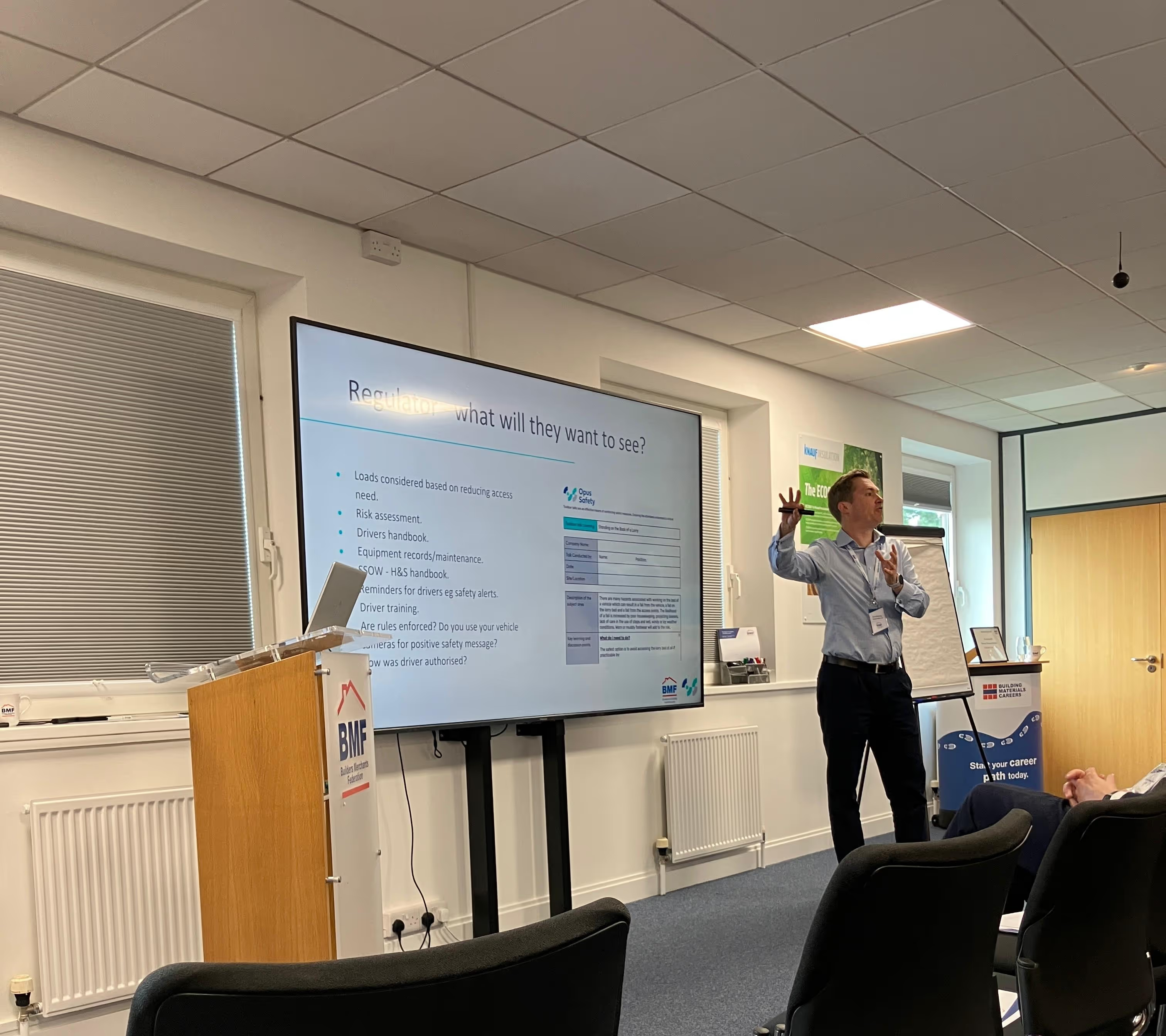
What to expect from this course

What's covered
- Importance of spillage prevention - Legislative requirements for storage, use and transport of hazardous substances - Hazards associated with spillages - Where to find information (safety data sheets, site procedures) - Control measures for storage, handling and transport - What to do in the event of a spillage - response procedure


Who it's for
Anyone who stores, handles or transports hazardous substances. Typically covers warehouse and logistics teams, facilities staff, and supervisors with substance handling responsibility. Nominated spill response teams often take the course together so roles and escalation routes are rehearsed in one place.


Prerequisites
None. No prior qualifications required. Useful to arrive with the current substance inventory and spill kit locations so the practical element can reference the real equipment on site.

What you get
Opus certificate of attendance on successful completion. Continuous monitoring during the day rather than a written exam. Refresher recommended every two to three years or after a significant change of role, equipment or site. Delegates leave able to prevent spills through correct storage and handling, and run a competent spill response when one happens.
.avif)
What non-compliance actually cost your business
67%
Reduction in near-miss incidents
£28K
Saved on insurance premiums annually
6hrs
Audit prep time per branch



Ready to get your team certified?
Speak with the team about booking this course, when our next dates are, and when it fits around your schedule.
Scheduled around your operations · On-site or e-learning · Certificate on completion
Frequently Asked Questions
Does it cover environmental reporting obligations?

Does the course cover our specific substances and spill kits?
How is the course assessed?
How long is the course?
How much does the course cost?
How often should spillage training be refreshed?
Who should attend spillage training?


%201.svg)


