%201.svg)
%201.svg)
Confined Space Awareness
For staff and supervisors working on sites where confined spaces exist. Awareness-level understanding of the risks, safe systems of work and emergency procedures.
IOSH Approved | NEBOSH Silver Partner | 98% Client Retention | 400+ Active Partnerships


Recognise the risks before anyone enters
Every year people are killed or seriously injured in confined spaces, usually because the dangers are underestimated, training is thin, or safe systems of work are not followed. This awareness course gives delegates the understanding to recognise confined space hazards and work safely within the controls that apply. Delivered on-site at your premises and tailored to the specific confined spaces on your site and your permit-to-work arrangements.

Three steps to a certified team
Pick the course, confirm a date, and we run the training. Every delegate leaves with a certificate - clear booking, clear agenda, no admin chase.
01
Scoped to your site
Opus reviews the confined spaces on your site and your permit-to-work arrangements ahead of delivery. The session is tailored so delegates recognise the specific spaces, hazards and controls that apply to their work.

02
One-day delivery on-site
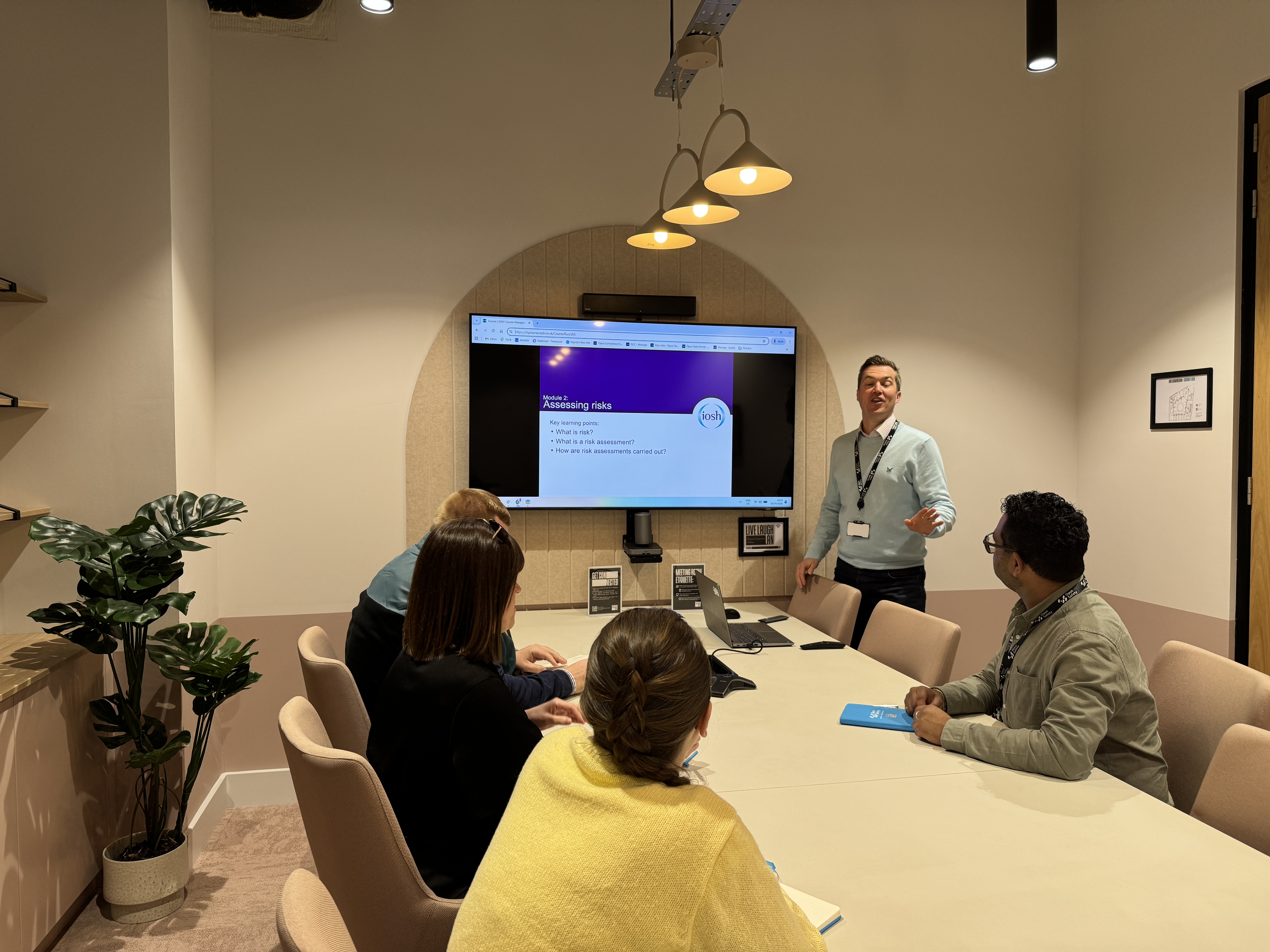
A one-day session covering the Confined Spaces Regulations 1997, risk identification and control, safe systems of work, permit-to-work, PPE including intrinsically safe and ATEX-approved kit, fall arrest, safe entry and exit, and emergency procedures.
.avif)
03
Certificate and training record
Delegates receive a Certificate of Attendance on completion. Opus can log the certificate into your training matrix so the record sits alongside wider H&S documentation.
What to expect from this course

What's covered
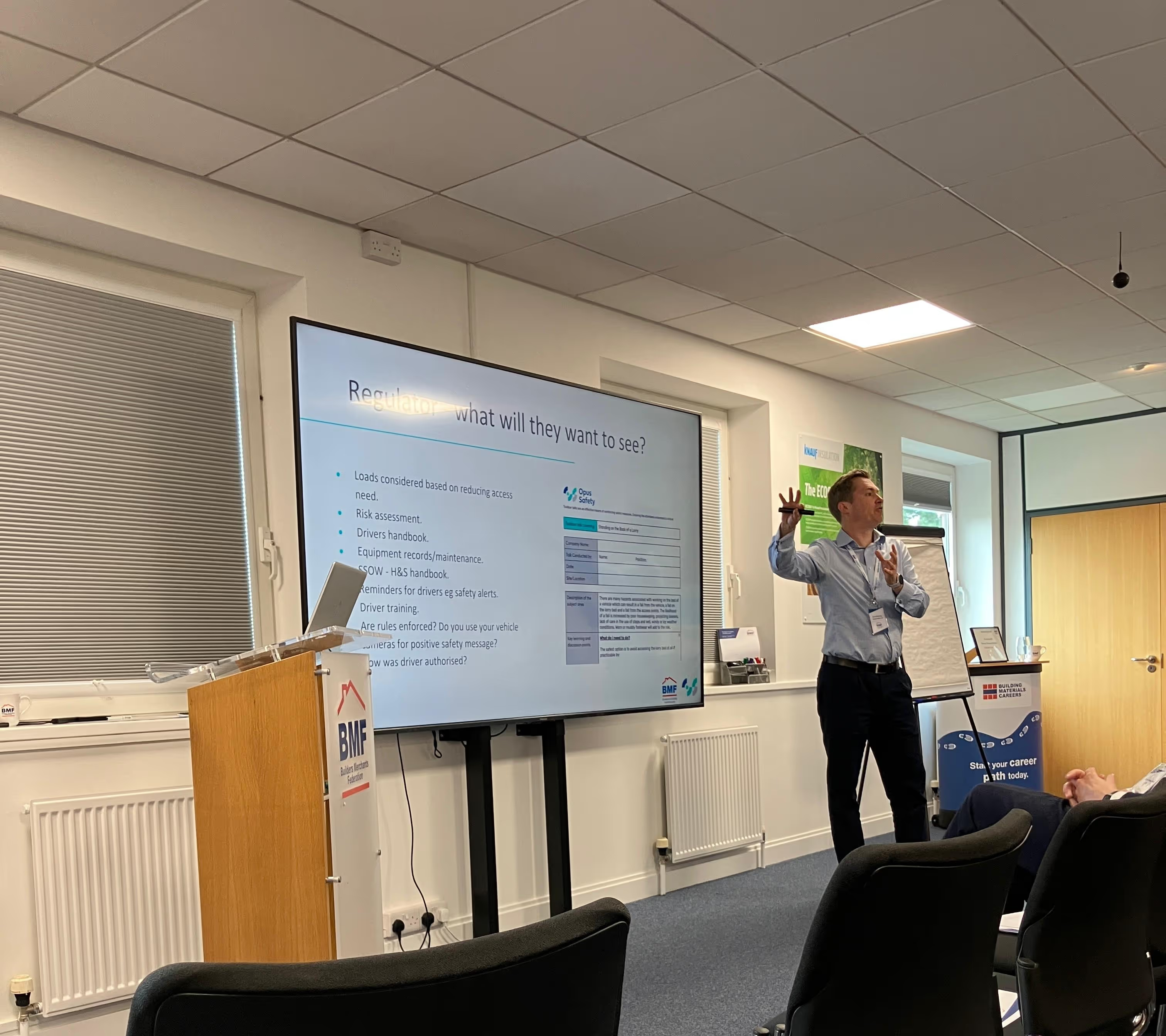
Confined Spaces Regulations 1997 and Approved Code of Practice, identification and control of risks, workplace safety, risk assessment, safe systems of work, permit-to-work, PPE (IP rated, intrinsically safe and ATEX approved) with pre-use inspection, fall arrest systems, safe entry and exit, and emergency procedures.


Who it's for
Staff, supervisors and managers who work on sites where confined spaces exist and need to understand the risks and the controls that apply. This is an awareness-level course, not an entry-qualified course for people entering the space.


Prerequisites
None required. Familiarity with your own confined spaces, permit systems and emergency procedures helps tailor the scenarios but is not essential.

What you get
Certificate of Attendance from Opus Safety on completion. Delegates leave able to recognise confined spaces, apply the Regulations and ACOP, work within a permit-to-work system and understand the emergency procedures that apply on their site.
.avif)
What non-compliance actually cost your business
67%
Reduction in near-miss incidents
£28K
Saved on insurance premiums annually
6hrs
Audit prep time per branch



Ready to get your team certified?
Speak with the team about booking this course, when our next dates are, and when it fits around your schedule.
Scheduled around your operations · On-site or e-learning · Certificate on completion
Frequently Asked Questions
Can the course be delivered at our site?

Does this course qualify delegates to enter confined spaces?
How long is the course?
Is there a practical element?
What certification do delegates receive?
What regulations are covered?


%201.svg)


