%201.svg)
%201.svg)

Annual HSE statistics explained: Key takeaways and priorities for 2026
In November 2025, the Health and Safety Executive released its annual statistics for 2024/25. In this blog, we summarise the key findings and what they mean for the builders' merchant sector in 2026.
Workplace fatalities
According to the new HSE report, 138 workers lost their lives in workplace accidents in 2024/25. This is a slight improvement on the previous 12 months (138 v 138 – previously the number was 138 before a correction in the interim statistics), with the five-year average standing at 138. Previous statistics had reported 135 fatal injuries in 2024/25, but these have since been revised upwards to 138 to account for any late notified cases.
The construction sector accounted for the highest proportion of fatal injuries (35 deaths, 25% of all workplace fatalities), followed by agriculture, forestry and fishing (20 deaths, 14%) and manufacturing (14 deaths, 10%).
The most common causes of workplace deaths were:
- Falls from height: 50 fatalities (36%)
- Struck by moving objects: 29 fatalities (21%)
- Struck by moving vehicle: 20 fatalities (14%)
- Trapped by something collapsing or overturning: 13 fatalities (9%)
- Contact with electricity: 8 fatalities (6%)
Non-fatal injuries
The 2024/25 statistics recorded 60,645 non-fatal injuries to employees (RIDDOR-reported), compared to 61,663 in 2023/24. Self-reported non-fatal injuries (from the Labour Force Survey) were estimated at 604,000, compared to 561,000 the previous year.
The most common causes of non-fatal injuries to employees were:
- Slips, trips, and falls on the same level (31% of all non-fatal injuries)
- Handling, lifting or carrying (17%)
- Being struck by moving objects (10%)
- Acts of violence (8%)
- Falls from height (8%)
Work-related ill health
The 2024/25 statistics show 1.7 million workers suffering from work-related ill health (new or long-standing), with 776,000 of these being new cases. Stress, depression or anxiety accounted for the biggest proportion at 51% of all new cases of work-related ill health. Musculoskeletal disorders accounted for 27% of new cases.
An estimated 35.7 million working days were lost due to work-related illness and workplace injury in 2024/25.
What this means for builders' merchants in 2026
The annual HSE statistics help to inform the regulator's inspection programme for the coming year. HSE inspection priorities for 2025/26 include:
- Working at height
- Workplace transport
- Occupational lung disease
- Musculoskeletal disorders
- Skin disorders
- Occupational asthma
Reviewing your controls against these priority areas is a practical starting point for your compliance planning in 2026. The most common causes of injury and illness highlight specific risk areas to address:
Falls from height
Falls from height remain the leading cause of workplace fatalities. For builders' merchants, key risk areas include racking operations, vehicle loading and unloading, mezzanine floors, and roof access. Risk assessments for all work-at-height tasks should be reviewed regularly, and collective protective measures such as guardrails and safety nets should be preferred over personal fall protection.
Slips, trips, and falls on the same level
These remain the most common cause of non-fatal injuries. High-risk areas in a builders' merchant environment include yard surfaces, delivery bays, and customer-facing areas. Regular housekeeping inspections, appropriate footwear policies, and prompt maintenance of damaged surfaces are all important controls.
Workplace transport
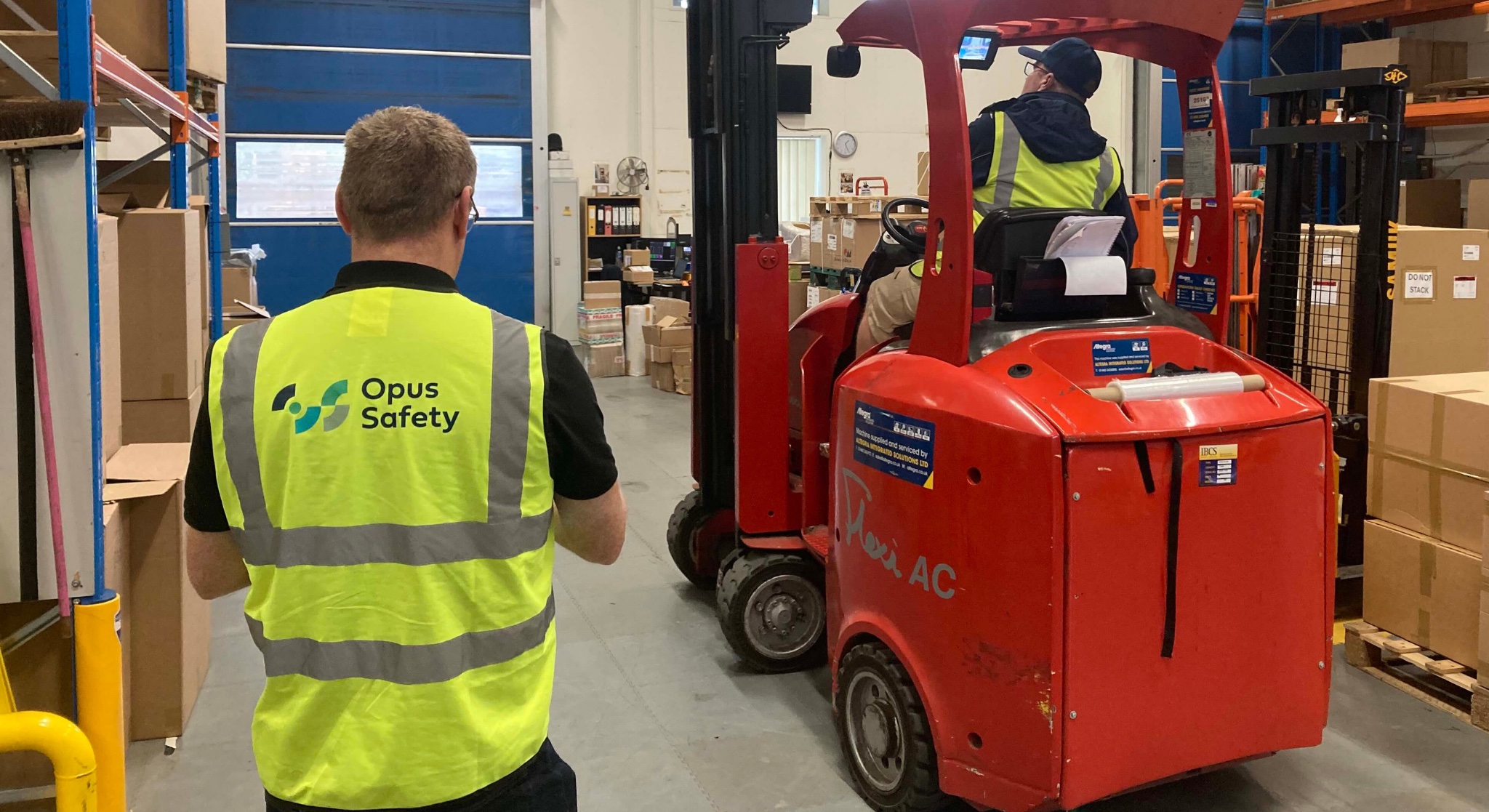
With 14% of workplace fatalities caused by being struck by a moving vehicle, transport safety remains critical for merchants. This includes pedestrian and vehicle segregation, speed management, reversing protocols, and driver competency.
Manual handling
Handling, lifting and carrying accounted for 17% of non-fatal injuries. Reviewing manual handling risk assessments, providing training updates, and considering mechanical aids where feasible are all recommended steps.
Occupational lung disease and skin disorders
With occupational lung disease and skin disorders among the HSE's priorities for 2025/26, merchants handling wood dust, silica, cement, solvents, and other hazardous substances should review their COSHH assessments, LEV maintenance records, and health surveillance programmes.
Stress, depression, and anxiety
Work-related stress and mental health conditions continue to account for the largest share of new ill-health cases. Reviewing your mental health policies, line manager training, and employee support provisions will be important steps for 2026.
If you would like support reviewing your compliance against the latest HSE statistics and inspection priorities, speak to our team today.

Last updated
December 4, 2025
Opus Safety
Health & safety insights
Guidance, updates and practical advice for your sector.








Hot weather health and safety: six essential questions
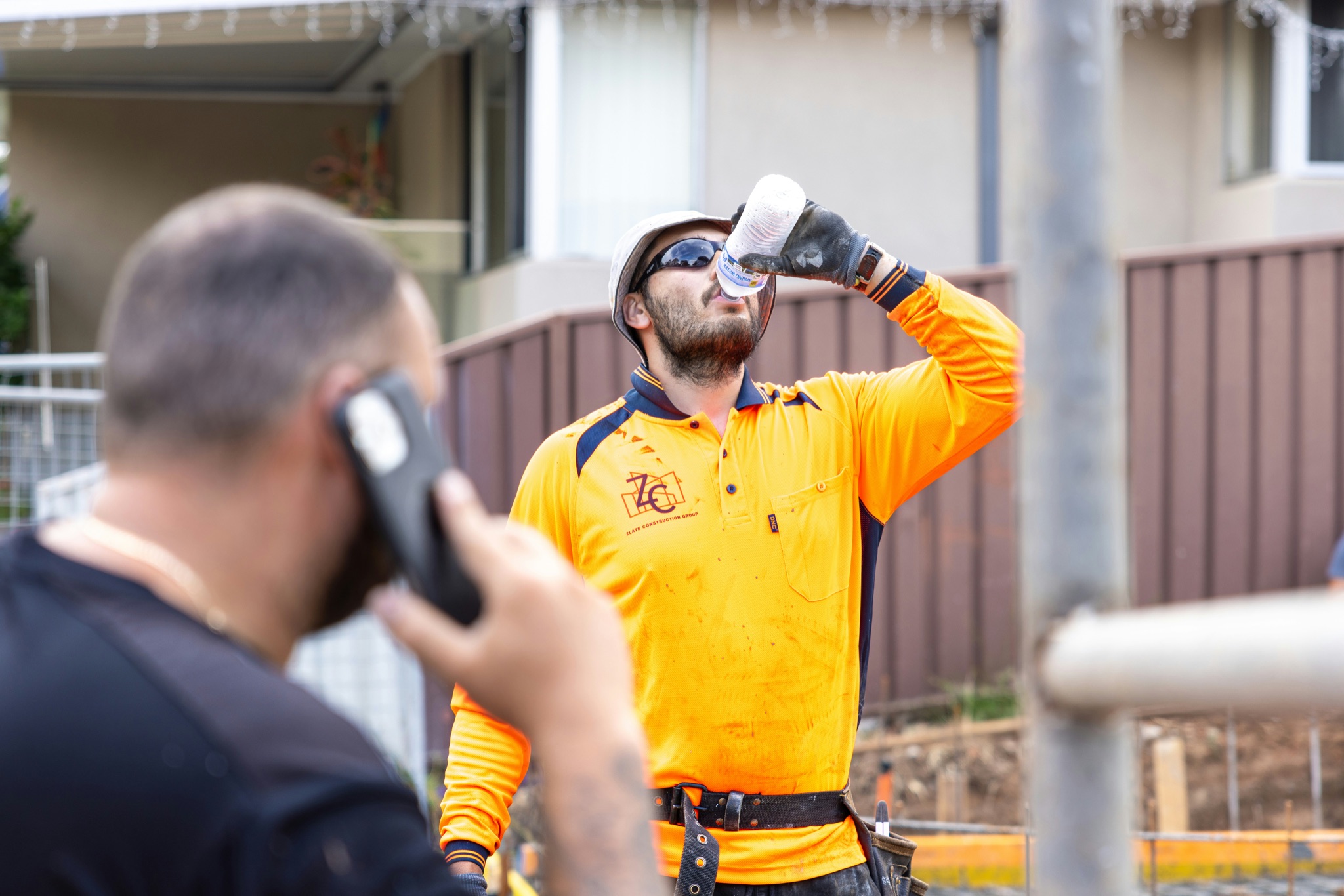
Six essential questions to keep your team safe in hot weather – heat stress, hydration, PPE, first aid and driving – with practical steps for summer working.
HSE prosecutions: Workplace fatalities and seven-figure fines
Four recent HSE prosecutions – from a £1m refinery gas leak to fatal and life-changing injuries – and the simple controls that would have prevented them.
Maintain momentum with a mid-year health and safety check
Use the mid-year point to take stock of your health and safety: risk assessments, training, PPM and agency staff. A practical checklist to keep momentum through summer.
Why Health and Safety Matters: When to Hire a Consultant
Hire a health and safety consultant when you grow, your team is stretched, risks get complex, or you receive an enforcement notice - whatever your size.
On the Radar: Local Authority Enforcement Priorities (2026–2029)
The HSE's LAC 67/2 strategy sets council inspection priorities for 2026-2029, shifting towards health risks. What local-authority-regulated businesses should check now.
HSE prosecutions: The cost of poor compliance
Four recent HSE prosecutions - occupational asthma, severed fingers, a lost leg and a fall from height - and the basic controls that would have prevented each.
The RIDDOR public consultation: What it means for you
The HSE's 2026 RIDDOR consultation proposes five reforms to incident reporting. What the changes mean for duty holders, and what to do before it closes on 30 June.
How to Report Health and Safety Incidents Involving Employees Under RIDDOR
How to Report Health and Safety Concerns under RIDDOR, including reportable incidents, key deadlines and compliant recordkeeping.
Do You Need an Asbestos Survey for Your Workplace?
Do you need an asbestos survey? Learn your legal duties, survey types and how to manage asbestos risks in your workplace safely.
Who Is Responsible for Health and Safety? Legionella Duties Explained
Who Is Responsible for Health and Safety? Legionella Duties Explained. Learn UK duty holder responsibilities and Legionella risk assessment duties.

Why businesses choose
Opus Safety
We've worked across UK industry for years. The numbers show what our clients achieve when compliance becomes a strength, not a burden.


%201.svg)


